AI Appraisal Estimate

AI-generated estimates · not official valuations

From the user

What was submitted

Photo and notes provided by the user — not generated by AI

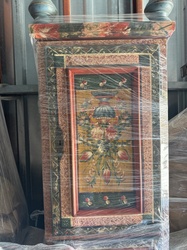
Submitted item photo
Submitted photo · June 13, 2026

User's notes

No additional notes provided.

AI analysis below

AI appraisal

AI analysis & estimate

AI-Generated · Verify before acting

Everything below is generated by AI for informational purposes only. AI can make mistakes — the AI may misidentify items or misattribute them (artist, maker, brand, designer, origin, era). This is not an official valuation and should not be used for insurance, sale, tax, estate, legal, or lending purposes — or any decision requiring a certified appraisal. It is not an authoritative claim about any person, brand, or rights holder — do not share or rely on it as a factual statement about a third party. Always consult qualified professionals before making financial decisions.

Read the full disclaimer

AI Identification

·Not independently authenticated·Verify before acting

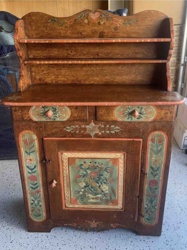
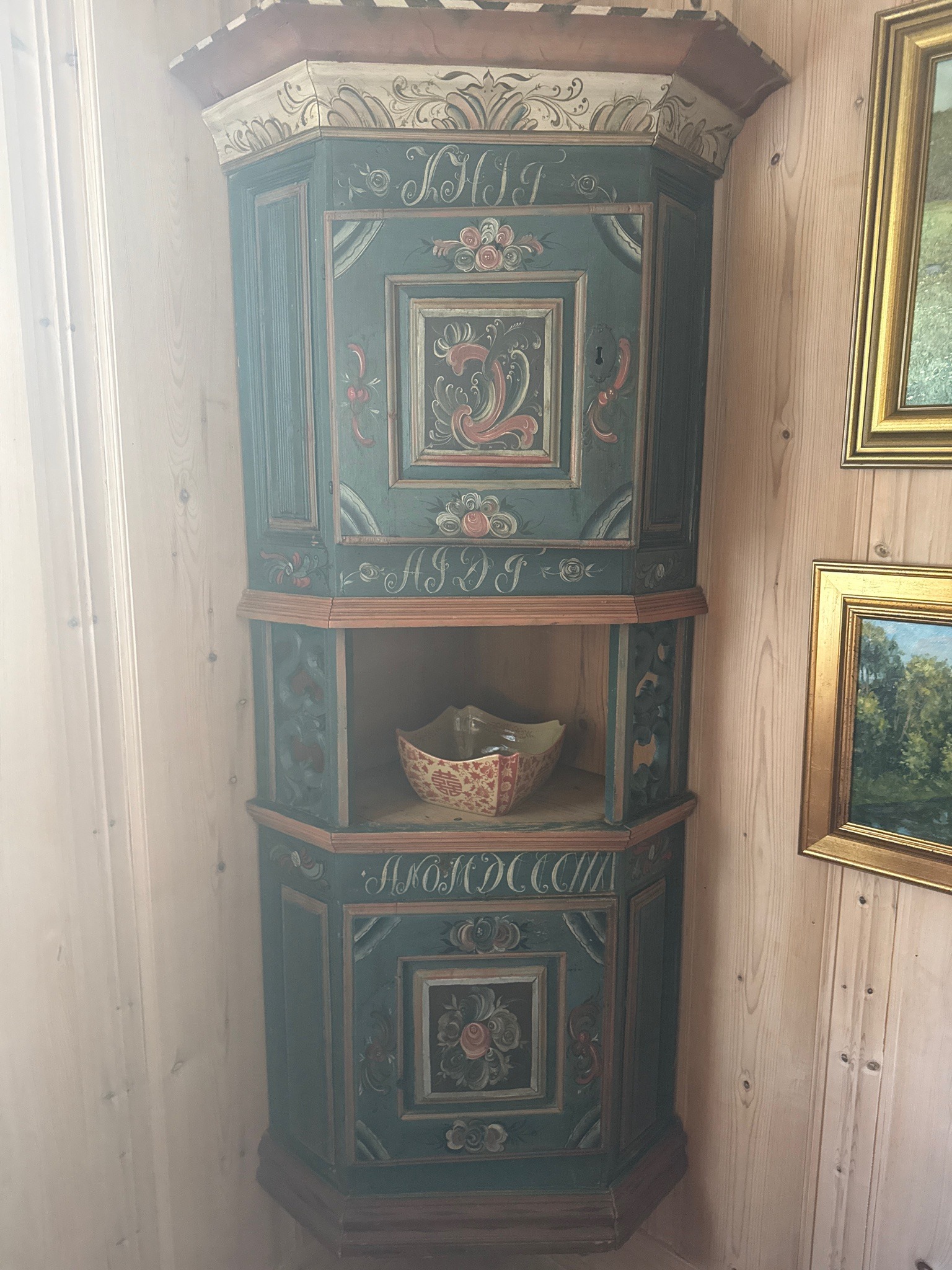
18th Century Scandinavian Painted Pine Corner Cupboard (Hjørneskap)

Fine Antique Furniture / European Folk Art

AI Estimated Value

·Not an official valuation·Verify before acting

$4,500 - $6,500

As of June 13, 2026

AI Item Analysis

·AI can make mistakes·Verify before acting
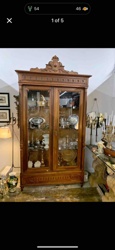
This is a significant example of Scandinavian folk art furniture, specifically a corner cupboard (hjørneskap) likely of Norwegian or Swedish origin. The piece is constructed from solid pine and features two enclosed cabinets separated by a central open display niche. The primary aesthetic feature is the extensive 'Rosemaling' or decorative folk painting in a traditional palette of deep teal-green, terracotta red, and cream. The crown is adorned with an architectural cornice featuring scrolled acanthus-leaf motifs. The door panels exhibit recessed molded frames centered with stylized floral arrangements. Notable calligraphic inscriptions, likely representing initials of the original owners and a date, are hand-painted across the horizontal friezes. The lower frieze appears to show a stylized date in Roman numerals 'MDCCC...' suggesting an 18th or early 19th-century origin. The condition shows a heavy, authentic patina with expected paint loss on high-traffic areas, some cracking in the timber panels due to shrinkage, and wear around the keyhole. The open niche reveals the natural pine interior, which houses a separate ceramic bowl. The side supports of the open shelf are intricately carved with openwork scrolling, demonstrating high-quality provincial craftsmanship.
AI Appraisal Report

·AI can make mistakes·Verify before acting
I have examined the digital representation of this 18th-century Scandinavian Hjørneskap. The piece is a superior example of European regional folk art, distinguished by its tiered architecture and high-relief acanthus carvings. The 'Rosemaling' decoration exhibits a sophisticated hand, utilizing a traditional palette that retains significant pigment saturation despite appropriate age-related oxidation. The presence of calligraphic donor/owner initials and a dating inscription significantly enhances its historical value. My assessment of the surface reveals authentic craquelure and localized 'scumbling' consistent with high-use areas such as the door-pulls and mid-frieze. The market for fine Scandinavian folk art remains robust among specialized collectors, particularly for pieces that retain original paint profiles rather than 19th-century overpainting. Compared to standard two-piece cupboards, this three-tier open-niche variant is considerably rarer. A primary value driver here is the integrity of the polychrome surface; any restoration would need to be minimal to maintain its current valuation. However, visual examination via imagery is limited. To provide a definitive certification of authenticity, I would require an in-person inspection to verify the joinery techniques (likely hand-cut dovetails or pegging) and to perform a UV-light (Wood’s lamp) analysis to distinguish between original 18th-century pigments and later touch-ups. Furthermore, provenance documentation linking the piece to a specific valley or workshop in Norway or Sweden would likely push the valuation toward the higher end of the estimated range. Without physical inspection of the timber's interior oxidation and backboards, this remains a preliminary valuation based on stylistic and condition visual cues.

Get your items appraised

Instant estimates of your treasures with AI-powered appraisals

Browse More Appraisals