AI Appraisal Estimate

AI-generated estimates · not official valuations

From the user

What was submitted

Photo and notes provided by the user — not generated by AI

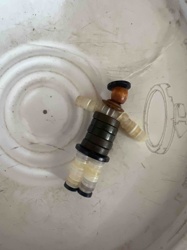
Submitted item photo
Submitted photo · June 6, 2026

User's notes

No additional notes provided.

AI analysis below

AI appraisal

AI analysis & estimate

AI-Generated · Verify before acting

Everything below is generated by AI for informational purposes only. AI can make mistakes — the AI may misidentify items or misattribute them (artist, maker, brand, designer, origin, era). This is not an official valuation and should not be used for insurance, sale, tax, estate, legal, or lending purposes — or any decision requiring a certified appraisal. It is not an authoritative claim about any person, brand, or rights holder — do not share or rely on it as a factual statement about a third party. Always consult qualified professionals before making financial decisions.

Read the full disclaimer

AI Identification

·Not independently authenticated·Verify before acting

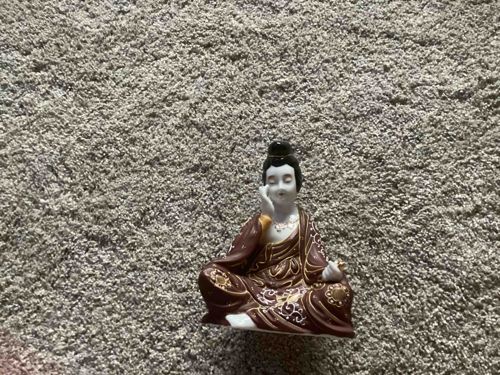
Porcelain Seated Buddha/Bodhisattva Figurine

Figurine

AI Estimated Value

·Not an official valuation·Verify before acting

$75 - $150

As of June 6, 2026

AI Item Analysis

·AI can make mistakes·Verify before acting
This is a porcelain figurine depicting a seated Buddha or Bodhisattva figure. The figure is shown in a meditative or contemplative pose, with one hand gently resting on the cheek, supporting the head, and the other hand resting in the lap. The material appears to be glazed porcelain or ceramic, primarily in a dark reddish-brown hue for the robes, contrasting with the pale, nearly white skin tone of the face, neck, and hands. The robes are intricately decorated with gold and white accents, forming elaborate patterns that suggest luxurious fabric. These patterns include swirling motifs and floral or geometric designs, indicating a high level of decorative detail. The figure has a serene expression, with closed eyes, and wears a black topknot or bun hairstyle. A delicate necklace is visible around the neck. The craftsmanship indicates mass production but with an attention to detail in the painted elements. No visible cracks, chips, or significant wear are apparent from the provided image, suggesting good condition. The style points towards an East Asian influence, possibly from the 20th century or late 19th century. The specific size is not discernible from the image alone, but it appears to be a smaller-scale decorative item suitable for a shelf or mantelpiece. The base is not clearly visible to check for maker's marks or stamps, but this type of ceramic work often has marks on the underside.
AI Appraisal Report

·AI can make mistakes·Verify before acting
I have examined the provided image of the Porcelain Seated Buddha/Bodhisattva Figurine. Based on visual assessment, the figurine appears to be in good condition, showing no visible chips, cracks, or significant wear. The intricate gold and white detailing on the robes is well-preserved. While the craftsmanship suggests mass production, the hand-painted elements exhibit a reasonable level of detail. The serene expression and traditional iconography point to an East Asian origin, likely late 19th to mid-20th century. From a market perspective, comparable glazed porcelain or ceramic Buddha/Bodhisattva figures of this style and period generally command modest prices. Demand for such decorative items is steady but not high, as these are relatively common. The lack of discernible maker’s marks or verifiable provenance from the image limits the potential for higher value. Factors significantly impacting value include the 'mass-produced' aesthetic despite intricate detailing, and the absence of unique artistic signatures or historical significance. My primary limitation in this appraisal is authenticity verification based solely on an image. While the style is consistent with common period pieces, a definitive assessment of age, origin, and material quality would require in-person examination. This would allow for tactile inspection of the glaze, close examination of painted details for brushwork quality, and a thorough search for any hidden maker's marks or stamps on the base. Provenance documentation, if available, would also significantly enhance authenticity and value, as would scientific testing for precise material composition and dating if there were any doubts about its age or origin.

Get your items appraised

Instant estimates of your treasures with AI-powered appraisals

Browse More Appraisals