AI identification & appraisal estimate

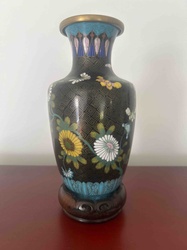
Japanese Cloisonné Bird and Cherry Blossom Vase

Submitted photo of Japanese Cloisonné Bird and Cherry Blossom Vase
Photo submitted by the user — not generated by AI

AI Estimated Value

Not an official valuation

$1,200 - $1,800

AI estimate as of February 26, 2026 · verify with a professional before acting

AI-Generated · Verify before acting

Everything on this page is generated by AI for informational purposes only. AI can make mistakes — the AI may misidentify items or misattribute them (artist, maker, brand, designer, origin, era). This is not an official valuation and should not be used for insurance, sale, tax, estate, legal, or lending purposes — or any decision requiring a certified appraisal. It is not an authoritative claim about any person, brand, or rights holder — do not share or rely on it as a factual statement about a third party. Always consult qualified professionals before making financial decisions.

Read the full disclaimer

AI Item Analysis

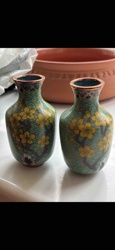
This is a large, egg-shaped cloisonné enamel vase featuring a traditional Japanese garden scene. The vase is constructed with a metal base, likely copper or brass, finished with a pale, lime-green translucent enamel background. The central motif depicts a small bird perched amidst a blossoming cherry tree and bamboo stalks. The floral elements use delicate shades of pink and coral, while the bird is rendered in darker, contrasting tones. Fine silver or copper wires (cloisons) define the intricate outlines of the petals, leaves, and avian features. The vase has a short, flared neck with a polished metal rim and a matching metal base rim. Based on the style and craftsmanship, this piece appears to be in the Meiji period (late 19th to early 20th century) tradition, known for high-quality enamel work and naturalistic compositions. The overall condition looks stable, though there are visible reflections suggesting a high-gloss finish; any impact on value would come from potential hairlines, pitting in the enamel, or tarnish on the metal rims. The execution of the gradient in the flowers and the life-like posture of the bird indicate a skilled artisan's touch.
AI Appraisal Report

I have conducted a visual examination of the Japanese Cloisonné enamel vase. Based on the stylistic execution, this piece appears to be a high-quality example of Meiji-era (1868–1912) craftsmanship. The use of 'yusen-shippo' (wired enamel) techniques, particularly the delicate tapering of silver wires to create the 'musen' effect in the cherry blossoms, suggests a studio of significant skill, possibly influenced by the Ando or Namikawa schools. The pale lime-green ground is a desirable and less common palette than the standard dark blues or blacks of the period. Technically, the bird’s anatomy and the lifelike integration of the bamboo and cherry blossoms align with the era's focus on naturalism. The metal mounts appear well-fitted, consistent with authentic late 19th-century production. However, image-based appraisal has limitations: I cannot verify the presence of 'star' cracks, minor bruises, or internal pitting hidden by the high-gloss reflections. Any internal hairlines would significantly decrease the value by 30-50%. Market demand for Meiji-period decorative arts remains robust, particularly for pieces exhibiting complex botanical motifs and fine wirework. Comparable pieces of this size and palette have recently realized prices between $1,200 and $1,800 at specialized Asian art auctions. To fully authenticate this item, a physical inspection is required to check for 'maker marks' on the base rim, verify weight and metal composition, and use high-intensity UV lighting to detect any previous professional restorations or over-painting. Provenance documentation, such as original purchase receipts or exhibition history, would further solidify its market position.

Keep exploring

More asian antiques / decorative arts appraisals

Get your items appraised

Instant AI-powered appraisal estimates from a photo

Browse More Appraisals