AI identification & appraisal estimate

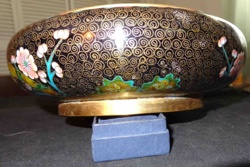
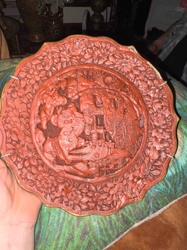
Chinese Cloisonné Enamel Brass Bowl

Submitted photo of Chinese Cloisonné Enamel Brass Bowl
Photo submitted by the user — not generated by AI

AI Estimated Value

Not an official valuation

$150-250

AI estimate as of December 28, 2025 · verify with a professional before acting

AI-Generated · Verify before acting

Everything on this page is generated by AI for informational purposes only. AI can make mistakes — the AI may misidentify items or misattribute them (artist, maker, brand, designer, origin, era). This is not an official valuation and should not be used for insurance, sale, tax, estate, legal, or lending purposes — or any decision requiring a certified appraisal. It is not an authoritative claim about any person, brand, or rights holder — do not share or rely on it as a factual statement about a third party. Always consult qualified professionals before making financial decisions.

Read the full disclaimer

AI Item Analysis

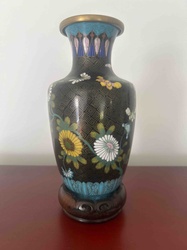
This is a circular, shallow decorative bowl crafted using the traditional Chinese cloisonné technique, likely dating from the mid-20th century. The piece features a solid brass or bronze base with visible polished metal rims at the mouth and likely the foot. The interior well is finished in a deep black enamel, accented with a central floral sprig featuring pink and white plum blossoms (meihua) on a turquoise-blue branch. The exterior body is densely decorated with fine brass wirework forming a repetitive 'scroll' or 'cloud' pattern against a black ground. A prominent ruyi-style border or 'cloud collar' band encircles the shoulder in shades of turquoise, red, and white. The craftsmanship shows intricate wire placement, though some minor pitting and surface wear consistent with age are visible. There are no immediate signs of major structural damage, though light oxidation is present on the exposed brass edges. The style is characteristic of export wares produced in the Republic period or slightly later, demonstrating a high degree of labor through the hand-applied enameling process.
AI Appraisal Report

Based on my visual examination of this Chinese cloisonné enamel bowl, I have identified it as a mid-20th-century export piece, likely produced during the Republic period or the early People's Republic era (c. 1940–1960). The 'cloud' or 'scroll' wirework patterning and the ruyi-head border are classic motifs of the period. While the hand-applied wirework demonstrates significant labor, the visible pitting and surface oxidation suggest a mass-produced standard rather than imperial-quality craftsmanship. The black ground is a desirable aesthetic, though less rare than white or yellow grounds from earlier dynasties. The current market for mid-century Chinese export cloisonné is stable but saturated. Comparables of this size and complexity frequently appear in regional auctions and estate sales. The value is driven primarily by decorative appeal rather than historical rarity. The minor pitting and oxidation noted are typical for this age and do not significantly detract from the value, though they prevent it from reaching 'mint' status pricing. Limitations: This appraisal is based solely on digital images. A physical inspection is required to check for 'clink' sounds (indicating enamel stability), hidden repairs, or a 'Jingtai' mark on the base which could influence dating. To fully authenticate the age and alloy composition, I would need to observe the weight, feel the texture of the enamels for wax fillers, and ideally review provenance documentation. Scientific testing, such as X-ray fluorescence (XRF) on the brass, could definitively confirm the metallurgical profile, but would be cost-prohibitive relative to the item's market value.

Keep exploring

More asian antiques & decorative arts appraisals

Get your items appraised

Instant AI-powered appraisal estimates from a photo

Browse More Appraisals