AI Appraisal Estimate

AI-generated estimates · not official valuations

From the user

What was submitted

Photo and notes provided by the user — not generated by AI

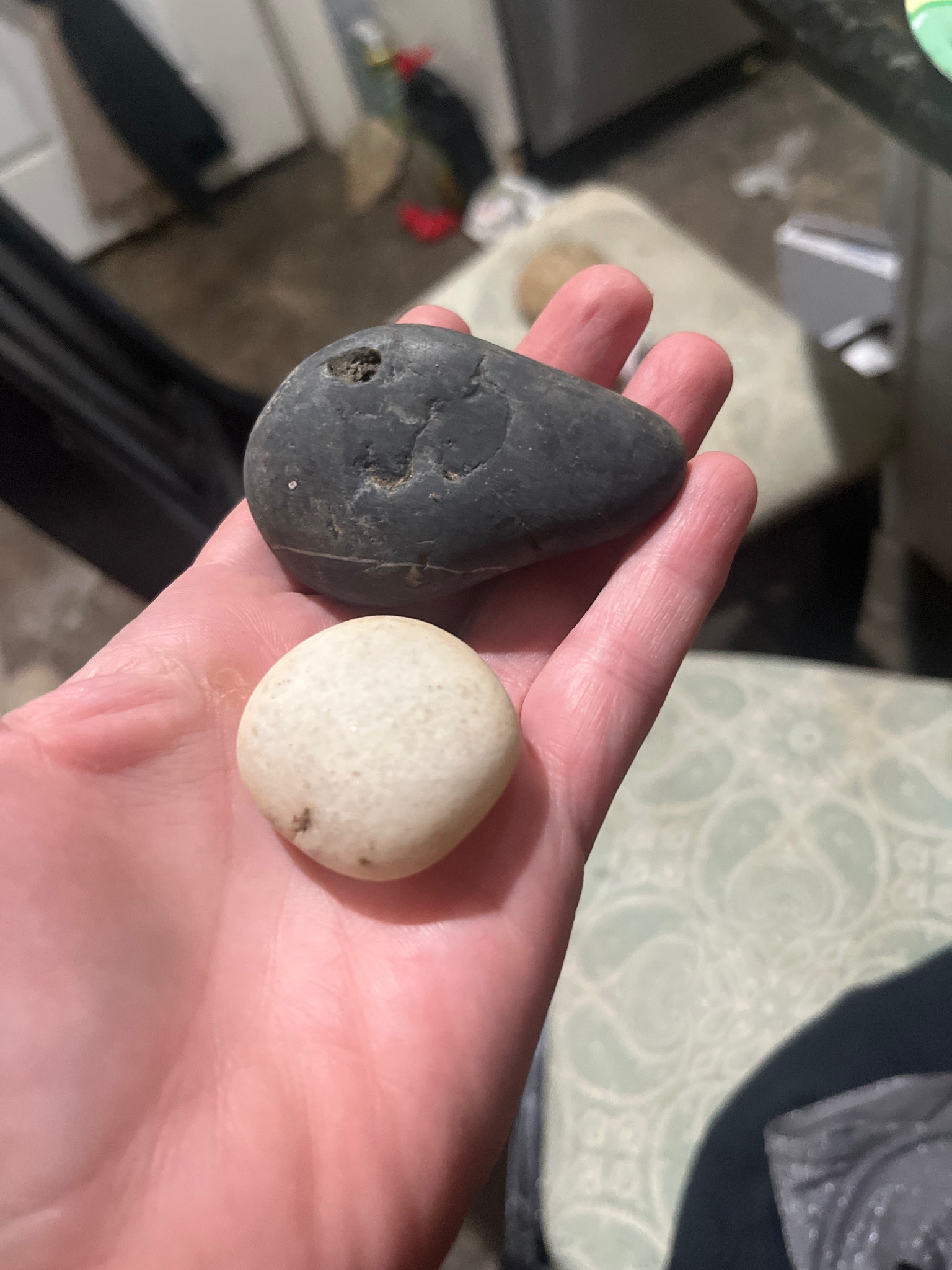
Submitted item photo
Submitted photo · June 13, 2026

User's notes

No additional notes provided.

AI analysis below

AI appraisal

AI analysis & estimate

AI-Generated · Verify before acting

Everything below is generated by AI for informational purposes only. AI can make mistakes — the AI may misidentify items or misattribute them (artist, maker, brand, designer, origin, era). This is not an official valuation and should not be used for insurance, sale, tax, estate, legal, or lending purposes — or any decision requiring a certified appraisal. It is not an authoritative claim about any person, brand, or rights holder — do not share or rely on it as a factual statement about a third party. Always consult qualified professionals before making financial decisions.

Read the full disclaimer

AI Identification

·Not independently authenticated·Verify before acting

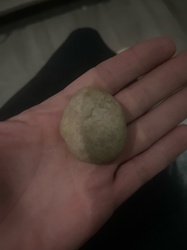
Smooth river stones or water-worn pebbles

Rocks and Natural Specimens

AI Estimated Value

·Not an official valuation·Verify before acting

$5 - $15

As of June 13, 2026

AI Item Analysis

·AI can make mistakes·Verify before acting
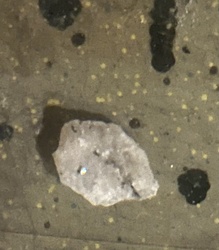
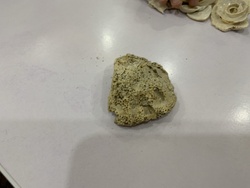
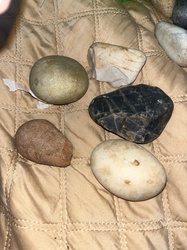
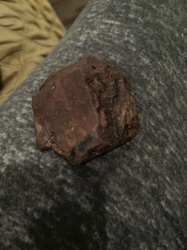
This pair of small, palm-sized items consists of two distinct rocks or river stones with contrasting appearances. The larger, top stone is an elongated, dark gray to matte black pebble, approximately 2 to 3 inches in length. Its surface is punctuated by naturally occurring indentations, pits, and a single thin, linear white vein consistent with quartz or calcite intrusion. The smaller, bottom stone is roughly circular and off-white or cream-colored, with a matte, slightly grainy texture on the surface. Both items exhibit the smooth, rounded edges typical of stones that have been tumbled by water or natural erosion over time. There are no visible maker's marks, inscriptions, or hallmarks, as these appear to be primarily natural geological specimens. The dark stone shows some surface scraping and small chips, while the white stone displays minor brownish spotting or earth-tone inclusions. Without geological testing, their exact mineral composition is unverified, though they are stylistically consistent with common sedimentary or metamorphic pebbles found in coastal or fluvial environments. Hedged identification is used as no branding, labels, or cultural markers are present to suggest they are anything other than naturally occurring objects.
AI Appraisal Report

·AI can make mistakes·Verify before acting
Based on the provided description and image, I am evaluating a pair of water-worn stones, possibly of sedimentary or metamorphic origin. From what I can see, these items appear to be natural geological specimens lacking any discernible artistic modification, cultural branding, or historical inscriptions. The dark stone's surface pitting and the white stone's granular texture are consistent with common river or coastal pebbles. Because I am assessing these from a photo, I cannot verify their mineral density or chemical composition; such details would require physical hardness testing or geological analysis. The value estimate is based on the assumption that these are decorative natural objects with no precious mineral content. Items of this type are generally viewed as curiosities or natural specimens rather than high-value collector's pieces. In the current market, similar unworked stones are often found in mixed decorative lots or sold as inexpensive desk accessories. The presence of surface scraping and minor chips further limits their appeal to specialized mineral collectors. Should these be identified as having specific metaphysical properties by certain buyers or if they belonged to a documented historical collection, the value could fluctuate slightly; however, in their current unattributed state, they represent a nominal market value. Confirmation of any specific mineral classification or provenance would require an in-person examination by a geologist or a specialist in natural history. If these were determined to contain rare semi-precious inclusions, the value would increase, but based on visual evidence, they appear to be common natural stones.

Get your items appraised

Instant estimates of your treasures with AI-powered appraisals

Browse More Appraisals