AI Appraisal Estimate

AI-generated estimates · not official valuations

From the user

What was submitted

Photo and notes provided by the user — not generated by AI

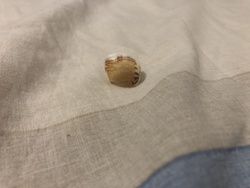
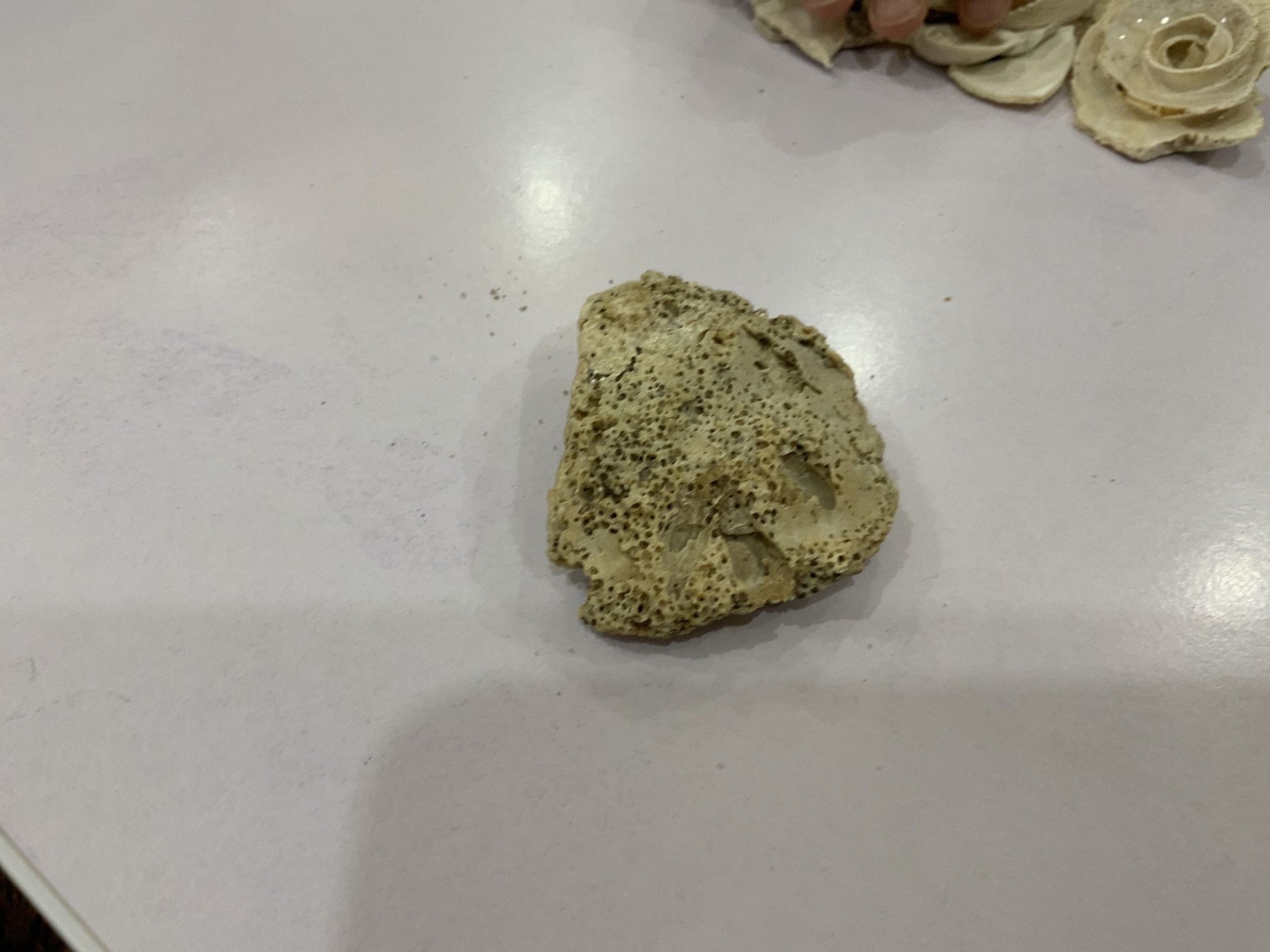
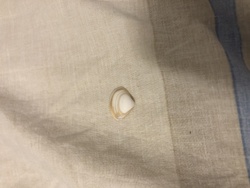
Submitted item photo
Submitted photo · June 1, 2026

User's notes

No additional notes provided.

AI analysis below

AI appraisal

AI analysis & estimate

AI-Generated · Verify before acting

Everything below is generated by AI for informational purposes only. AI can make mistakes — the AI may misidentify items or misattribute them (artist, maker, brand, designer, origin, era). This is not an official valuation and should not be used for insurance, sale, tax, estate, legal, or lending purposes — or any decision requiring a certified appraisal. It is not an authoritative claim about any person, brand, or rights holder — do not share or rely on it as a factual statement about a third party. Always consult qualified professionals before making financial decisions.

Read the full disclaimer

AI Identification

·Not independently authenticated·Verify before acting

Porous mineral specimen resembling pumice or weathered coral

Natural Specimens

AI Estimated Value

·Not an official valuation·Verify before acting

$5 - $25

As of June 1, 2026

AI Item Analysis

·AI can make mistakes·Verify before acting
The photograph displays a small, irregularly shaped geological or biological specimen resting on a neutral, pale-colored surface. The object appears to be small enough to fit in a person's palm, though no scale is provided. It exhibits a highly vesicular, porous texture across its uppermost surface, characterized by numerous small, darkenened voids or pits. The color is predominantly a muted beige or off-white, with darker sediment or mineral inclusions appearing in some of the crevices. One side of the object appears smoother and more monolithic, reminiscent of a weathered stone or a fragmented shell base, while the top portion suggests a structure consistent with pumice, scoria, or perhaps a piece of desiccated coral skeleton. There are no visible maker's marks, signatures, or inscriptions, as is expected for a natural object. The condition of the specimen appears consistent with naturally occurring debris found in a beach or volcanic environment, showing irregular edges and signs of environmental erosion. Due to the lack of physical testing for density or chemical composition, the exact material cannot be verified and is identified solely based on its visual similarity to weathered mineral or marine calcifications.
AI Appraisal Report

·AI can make mistakes·Verify before acting
Based on the provided image, I have examined this small, porous specimen which bears physical characteristics consistent with either a vesicular volcanic rock, such as pumice, or a weathered fragment of marine coral skeleton. From what I can see, the object exhibits a high degree of environmental erosion and a typical calcified or silicate coloration. However, I cannot verify the specific mineralogical or biological identity from a photograph alone; physical tests for density, acid reaction, or microscopic structure would be required to distinguish between a common terrestrial rock and a marine specimen. The value estimate is based on the specimen being a common, naturally occurring find from a beach or volcanic field. In the current market for natural curiosities, such unworked and undocumented specimens typically hold nominal decorative or educational value. Items of this type are frequently found in large quantities and generally sell for a modest range at local rock shops or online marketplaces. Because the item lacks specific provenance, rare crystal formations, or unique aesthetic qualities, its value is significantly lower than that of documented museum-grade specimens or rare fossils. If this item were to be identified as a rare species of coral or a unique meteorite fragment through laboratory testing, the value could increase, though based on visual evidence, it appears to be a standard natural curiosity. To confirm its identification and potential value more precisely, an in-person examination by a geologist or marine biologist and spectroscopic analysis would be necessary. Without such verification, it is valued as an ornamental natural object of indeterminate origin.

Get your items appraised

Instant estimates of your treasures with AI-powered appraisals

Browse More Appraisals