AI Appraisal Estimate

AI-generated estimates · not official valuations

From the user

What was submitted

Photo and notes provided by the user — not generated by AI

Submitted item photo
Submitted photo · May 30, 2026

User's notes

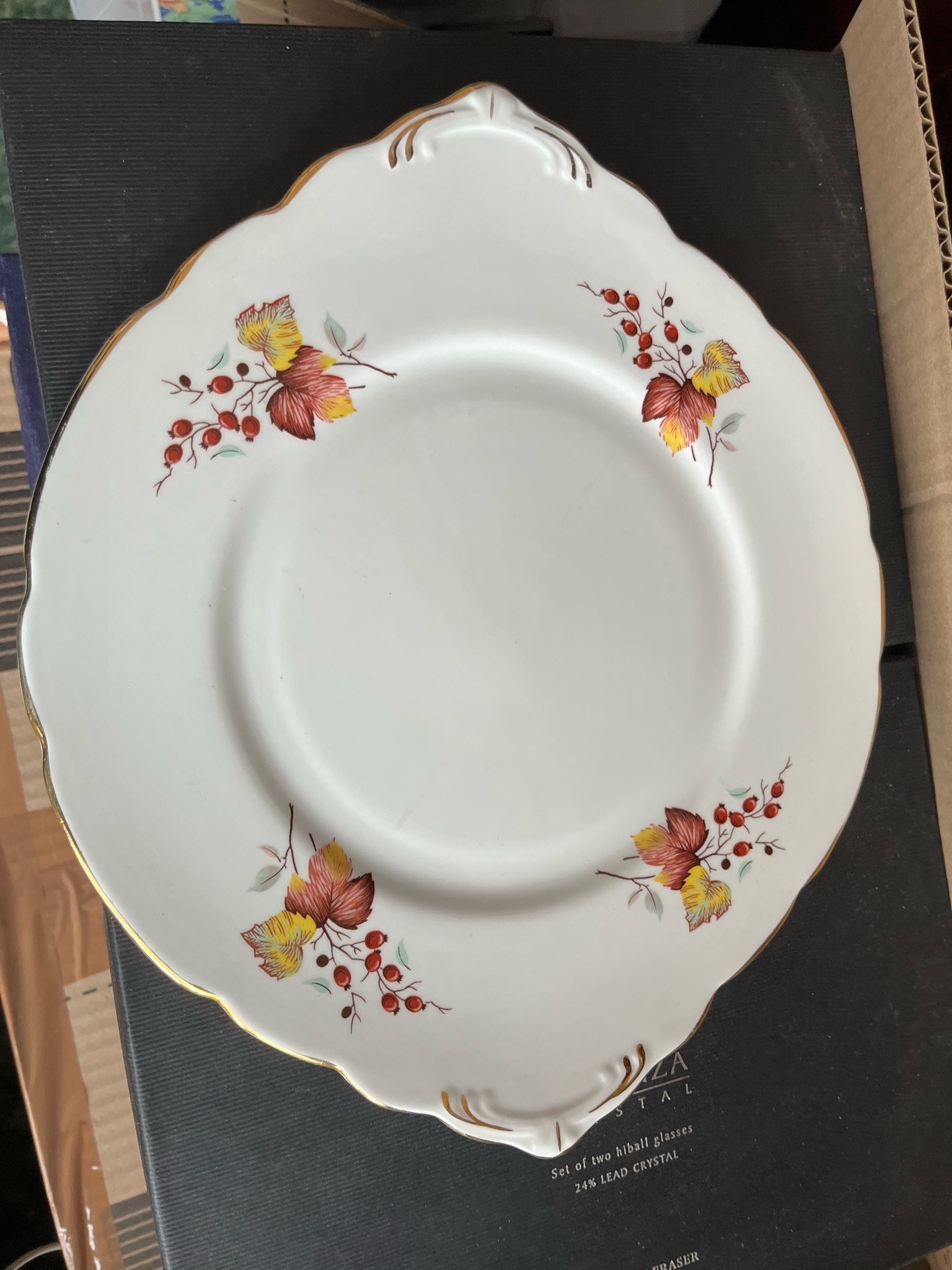
Gladstone fine bone china Staffordshire plate

AI analysis below

AI appraisal

AI analysis & estimate

AI-Generated · Verify before acting

Everything below is generated by AI for informational purposes only. AI can make mistakes — the AI may misidentify items or misattribute them (artist, maker, brand, designer, origin, era). This is not an official valuation and should not be used for insurance, sale, tax, estate, legal, or lending purposes — or any decision requiring a certified appraisal. It is not an authoritative claim about any person, brand, or rights holder — do not share or rely on it as a factual statement about a third party. Always consult qualified professionals before making financial decisions.

Note

This analysis also relies on unverified notes provided by the user, which may be incomplete or inaccurate and could affect the result.

Read the full disclaimer

AI Identification

·Not independently authenticated·Verify before acting

Gladstone Fine Bone China Scalloped Cake Plate

Antique and Vintage Porcelain Tableware

AI Estimated Value

·Not an official valuation·Verify before acting

$45–$65

As of May 30, 2026

AI Item Analysis

·AI can make mistakes·Verify before acting
This is a vintage fine bone china serving plate produced by Gladstone China in Staffordshire, England, likely dating from the mid-20th century (c. 1950s-1960s). The plate features a distinct scalloped, lobed edge with two decorative tab-style handles integrated into the rim, embellished with subtle gold gilt relief. The body is a crisp white porcelain decorated with four asymmetrical transfers of autumn foliage and red berries. The botanical motif incorporates leaves in shades of russet brown and golden yellow with delicate cross-hatched detailing, accompanied by sprigs of red berries and pale mint green leaves. The entire circumference of the plate is finished with a fine gold gilt rim. The craftsmanship reflects the classic Staffordshire bone china tradition, exhibiting a high-glaze finish and translucent quality when held to light. Regarding condition, the plate appears well-preserved with no visible chips or cracks. There is very minor thinning of the gold gilt on the raised handle portions consistent with light handling, and the center well shows minimal surface scratching from stacking or utensil use. The transfer patterns remain vibrant with no significant fading.
AI Appraisal Report

·AI can make mistakes·Verify before acting
Based on my examination of this Gladstone Fine Bone China cake plate, I have assessed it as a genuine piece of mid-century English Staffordshire tableware. The scalloped edges, tab handles, and gilt-relief scrolling are characteristic of the 1950s production style. The transfer-ware design featuring autumn foliage and red berries is vibrant, showing no significant loss or UV damage. Upon visual inspection, the glaze maintains a high translucency and the 'tight' crazing-free surface indicates stable storage conditions. The minor gilt thinning on handles and faint stacking scratches are typical for utilitarian porcelain of this era and do not significantly detract from the value. The market for mid-tier Staffordshire china like Gladstone is currently soft but stable, driven primarily by 'grandmillennial' decor trends and vintage tea-party enthusiasts. As Gladstone was a prolific manufacturer, this piece is not considered rare; however, its excellent condition and seasonal botanical theme make it a desirable piece for collectors. Compared to recent auction results for similar lidded or handled serving pieces, it sits comfortably in the mid-range. Values are significantly impacted by the integrity of the gold rim. While my visual analysis suggests authenticity based on the backstamp and manufacturing hallmarks, a full authentication requires an in-person tactile inspection to check for professional restorations (invisible to the naked eye) and 'ping' testing to confirm internal structural integrity. Documentation of provenance or an original sales catalog would further solidify the dating. These findings assume the absence of hidden hairline fractures or repairs that cannot be detected via high-resolution imagery.

Get your items appraised

Instant estimates of your treasures with AI-powered appraisals

Browse More Appraisals