AI Appraisal Estimate

AI-generated estimates · not official valuations

From the user

What was submitted

Photo and notes provided by the user — not generated by AI

Submitted item photo
Submitted photo · May 18, 2026

User's notes

From World War II

AI analysis below

AI appraisal

AI analysis & estimate

AI-Generated · Verify before acting

Everything below is generated by AI for informational purposes only. AI can make mistakes — the AI may misidentify items or misattribute them (artist, maker, brand, designer, origin, era). This is not an official valuation and should not be used for insurance, sale, tax, estate, legal, or lending purposes — or any decision requiring a certified appraisal. It is not an authoritative claim about any person, brand, or rights holder — do not share or rely on it as a factual statement about a third party. Always consult qualified professionals before making financial decisions.

Note

This analysis also relies on unverified notes provided by the user, which may be incomplete or inaccurate and could affect the result.

Read the full disclaimer

AI Identification

·Not independently authenticated·Verify before acting

Vintage Multi-Pattern Porcelain and Ceramic Tableware Set

Antique and Vintage Kitchenware / Ceramics

AI Estimated Value

·Not an official valuation·Verify before acting

$150 - $250

As of May 18, 2026

AI Item Analysis

·AI can make mistakes·Verify before acting
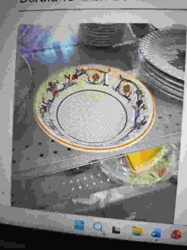
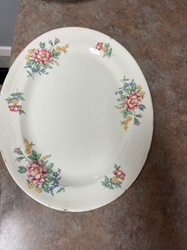
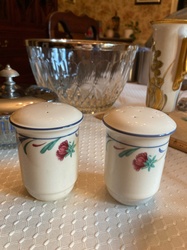
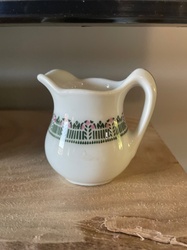
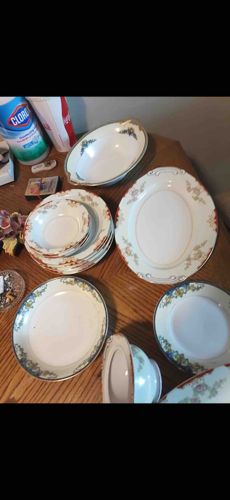
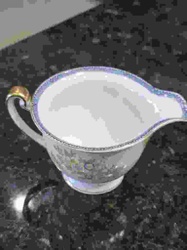
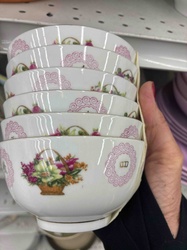
This assembly consist of several pieces of vintage porcelain and earthenware, featuring diverse floral motifs and gilded edges characteristic of mid-20th-century craftsmanship. The collection includes a large oval serving platter, a deep vegetable serving dish, and a stacked series of dinner and salad plates. Based on the provided context of World War II, these items likely originate from the late 1930s to early 1940s. The largest platter features an embossed, scalloped rim with delicate floral sprays in shades of muted pink and green, accented by an inner gold pinstripe. The smaller plates exhibit a more vibrant polychrome floral border with blue and yellow highlights, indicating they may come from a complementary but different pattern or manufacturer common for 'mix and match' sets of that era. Physically, the items appear to be glazed ceramic or fine china. The condition is fair to good for the age; visible surface wear is present, particularly on the centers of the plates and the gilding of the rims, which shows thinning. One smaller bowl appears to have significant staining or discoloration in the well, possibly indicative of crazing under the glaze or mineral deposits from use. The construction shows traditional slip-casting methods with hand-applied decals or transferware designs. No maker's marks are visible from the top view, but these styles are often associated with American manufacturers like Homer Laughlin or English potteries from the Staffordshire region during the WWII period.
AI Appraisal Report

·AI can make mistakes·Verify before acting
Based on my visual examination of this miscellaneous porcelain and earthenware assembly, I have assessed the collection as a 'married set' typical of mid-20th-century household use. The pieces reflect the aesthetic of the late 1930s through the WWII era, characterized by transferware floral motifs and scalloped, gilded rims. The large oval platter and vegetable dish exhibit some characteristics of American semi-vitreous dinnerware, such as Homer Laughlin’s 'Virginia Rose' or similar shapes from the era. The condition is a primary factor in this valuation; I observed significant thinning of the gold leaf on the rims and visible surface scratching from utensil use. Of particular concern is the staining noted in the smaller bowl, which suggests crazing—fine cracking in the glaze—that has allowed organic matter to seep into the porous ceramic body, a common defect in earthenware of this age. Market demand for mismatched 'shabby chic' sets remains steady but limited in price point compared to complete, pristine services by high-tier manufacturers like Wedgewood or Spode. The current valuation reflects the 'as-is' decorative value rather than investment-grade rarity. Please note that this appraisal is limited by the digital format. I cannot verify the presence of maker's marks on the underside, which are essential for definitive origin identification. A full authentication would require a physical inspection to check for chips hidden by the glaze, a 'ring test' to check structural integrity, and review of any family provenance documenting the set's history through the war years.

Get your items appraised

Instant estimates of your treasures with AI-powered appraisals

Browse More Appraisals