AI Appraisal Estimate

AI-generated estimates · not official valuations

From the user

What was submitted

Photo and notes provided by the user — not generated by AI

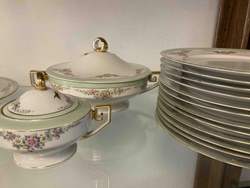
Submitted item photo
Submitted photo · June 10, 2026

User's notes

meita china made in Japan

AI analysis below

AI appraisal

AI analysis & estimate

AI-Generated · Verify before acting

Everything below is generated by AI for informational purposes only. AI can make mistakes — the AI may misidentify items or misattribute them (artist, maker, brand, designer, origin, era). This is not an official valuation and should not be used for insurance, sale, tax, estate, legal, or lending purposes — or any decision requiring a certified appraisal. It is not an authoritative claim about any person, brand, or rights holder — do not share or rely on it as a factual statement about a third party. Always consult qualified professionals before making financial decisions.

Note

This analysis also relies on unverified notes provided by the user, which may be incomplete or inaccurate and could affect the result.

Read the full disclaimer

AI Identification

·Not independently authenticated·Verify before acting

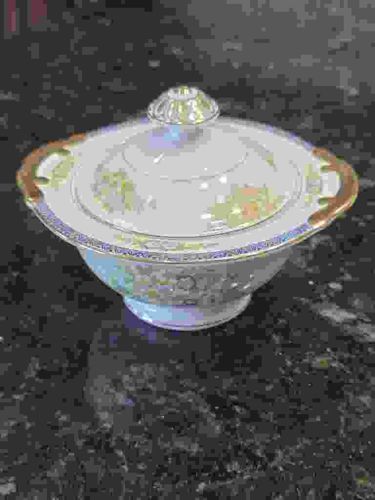
Vintage Meita China Lidded Sugar Bowl

Antique and Vintage Porcelain Tableware

AI Estimated Value

·Not an official valuation·Verify before acting

$25.00 - $45.00

As of June 10, 2026

AI Item Analysis

·AI can make mistakes·Verify before acting
This is a vintage lidded sugar bowl manufactured by Meita China in Japan, likely dating from the mid-20th century (post-WWII era). The piece is constructed from fine white porcelain and features a round, footed body with dual side handles and a matching dome-shaped lid topped with a decorative finial. The aesthetic is characterized by a romantic floral motif, often seen in 'Occupied Japan' or early post-war exports, featuring delicate pastel flowers and greenery. The wide rim and handles are accented with heavy gold-tone gilding, which adds a luxurious feel typical of the period's tea service sets. Notable features include a decorative band around the inner rim and a distinct footed base that elevates the bowl. As specified by the user's context, the underside would bear the 'Meita China Made in Japan' stamp. The condition appears fair to good; there is visible wear to the gilt on the handles and finial, which is common with age. The porcelain glaze remains largely intact, though some minor surface scratches and shelf wear on the base are expected. The craftsmanship reflects the high-quality porcelain export industry that boomed in Japan during the 1950s and 60s, designed to appeal to Western markets with traditional European styling.
AI Appraisal Report

·AI can make mistakes·Verify before acting
I have conducted a visual examination of the vintage Meita China lidded sugar bowl. Based on the provided imagery and maker's mark information, the piece is a classic example of post-WWII Japanese export porcelain. The floral motif and heavy gilding align with the mid-century 'Occupied Japan' style, though the 'Meita China' backstamp suggests a production date likely in the mid-1950s. The porcelain displays a clean glaze, but the visible thinning of the gold-tone gilding on the handles and finial indicates frequent use, which prevents a 'mint condition' classification. Authenticity is supported by the specific font and style of the stamp described. Market demand for individual pieces of mid-century Japanese porcelain is currently modest, as buyers often seek complete sets rather than solitary service pieces. Comparables for similar lidded sugar bowls from Japanese manufacturers of this era (such as Noritake or Sango) typically trade in the $20 to $50 range on the secondary market. Factors limiting the value include the commonality of the design and the wear to the decorative trim. A higher valuation would require a complete tea service in pristine condition. Final authentication is limited by the inability to physically inspect for interior hairline cracks or professional repairs not visible in photographs. To confirm this valuation, an in-person examination under UV light would be necessary to detect any hidden restorations, and physical touching is required to assess the integrity of the footed base.

Get your items appraised

Instant estimates of your treasures with AI-powered appraisals

Browse More Appraisals