AI Appraisal Estimate

AI-generated estimates · not official valuations

From the user

What was submitted

Photo and notes provided by the user — not generated by AI

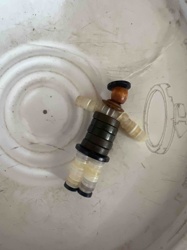
Submitted item photo
Submitted photo · May 27, 2026

User's notes

No additional notes provided.

AI analysis below

AI appraisal

AI analysis & estimate

AI-Generated · Verify before acting

Everything below is generated by AI for informational purposes only. AI can make mistakes — the AI may misidentify items or misattribute them (artist, maker, brand, designer, origin, era). This is not an official valuation and should not be used for insurance, sale, tax, estate, legal, or lending purposes — or any decision requiring a certified appraisal. It is not an authoritative claim about any person, brand, or rights holder — do not share or rely on it as a factual statement about a third party. Always consult qualified professionals before making financial decisions.

Read the full disclaimer

AI Identification

·Not independently authenticated·Verify before acting

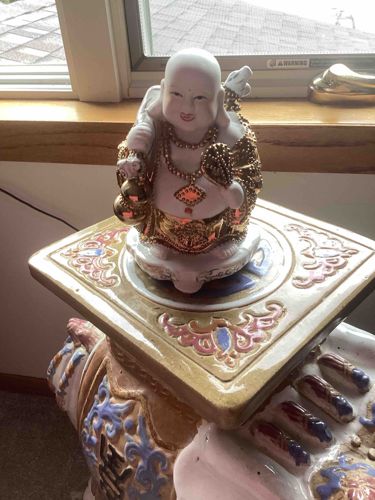
Laughing Buddha (Budai) Figurine

Figurine

AI Estimated Value

·Not an official valuation·Verify before acting

$75-150

As of May 27, 2026

AI Item Analysis

·AI can make mistakes·Verify before acting
This is a ceramic or porcelain figurine of Budai, often referred to as the 'Laughing Buddha' or 'Happy Buddha.' The figure is depicted with a bald head, a jovial facial expression featuring a wide smile, and rosy cheeks. His prominent belly is characteristic of Budai. The figurine is predominantly white, likely due to a white glaze, with significant gold detailing that emulates ornate jewelry and clothing. This gold appears to be applied as either gilding or a metallic paint, covering a patterned robe, a large beaded necklace with a central pendant, and a bag held over his shoulder. The detailing is textured, suggesting raised embellishments that might represent beads or embroidered patterns. The item appears to be in good condition with a glossy finish, indicating a well-preserved glaze. No significant chips, cracks, or repairs are immediately visible, though minor wear to the gold finish may be present upon closer inspection, given its ornamental nature. The craftsmanship suggests a commercially produced decorative piece, likely from the late 20th century or early 21st century, designed for display in a home or office setting. The figurine is sitting on a white and gold base, which in turn rests on a larger, elaborately decorated ceramic stand or pedestal. The overall impression is one of prosperity and good fortune, often associated with such depictions.
AI Appraisal Report

·AI can make mistakes·Verify before acting
Upon visual examination of the provided image, I assess this Laughing Buddha (Budai) figurine to be in excellent condition. The white glaze appears intact and glossy, with no visible chips, cracks, or significant repairs. While minor wear to the gold detailing is common with age and handling, none is apparent from this image. Its authenticity as a decorative ceramic mass-produced item is high, consistent with late 20th to early 21st-century production. The piece is likely cast porcelain or ceramic, designed for aesthetic appeal rather than historical significance. Market conditions for such decorative Buddhist figurines are generally stable, with a consistent but not high demand. Comparables in similar condition and style, typically found in home decor stores, antique malls, or online marketplaces, usually fall within a modest price range. These are not rare items; numerous variations exist, limiting their individual rarity. Factors impacting value positively are its seemingly pristine condition and the appealing, well-executed gold embellishments. However, its likely commercial origin and lack of extraordinary artistic merit or age prevent it from achieving a high valuation. Limitations in authenticity verification from images alone are significant for age and material confirmation. A physical inspection would allow me to determine the exact ceramic type (e.g., porcelain vs. stoneware), assess the quality and application method of the gold, and scrutinize for minute surface imperfections or repairs not visible here. Provenance documentation (e.g., purchase receipts, manufacturer's marks) would be needed to definitively confirm its origin and precise age. Scientific testing like XRF analysis could confirm material composition, but this is unwarranted for an item of this type and expected value.

Get your items appraised

Instant estimates of your treasures with AI-powered appraisals

Browse More Appraisals