AI identification & appraisal estimate

Limonite concretion or weathered ironstone nodule

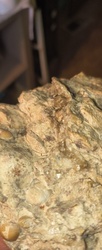
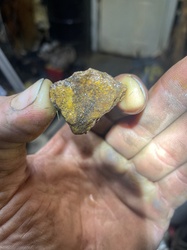
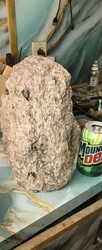
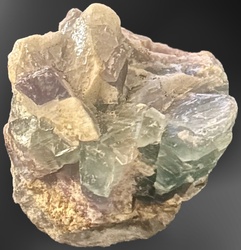
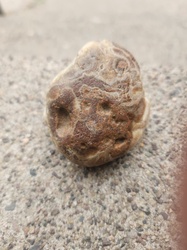
Submitted photo of Limonite concretion or weathered ironstone nodule
Photo submitted by the user — not generated by AI

User's notes

Found naturally in blue/gray clay

These notes were written by the person who submitted this item. Appraiser.AI has not verified them, and the AI's identification and estimate may rely on them.

AI Estimated Value

Not an official valuation

$25-50

AI estimate as of October 5, 2026 · verify with a professional before acting

AI-Generated · Verify before acting

Everything on this page is generated by AI for informational purposes only. AI can make mistakes — the AI may misidentify items or misattribute them (artist, maker, brand, designer, origin, era). This is not an official valuation and should not be used for insurance, sale, tax, estate, legal, or lending purposes — or any decision requiring a certified appraisal. It is not an authoritative claim about any person, brand, or rights holder — do not share or rely on it as a factual statement about a third party. Always consult qualified professionals before making financial decisions.

This analysis also relies on unverified notes provided by the user, which may be incomplete or inaccurate and could affect the result.

Read the full disclaimer

AI Item Analysis

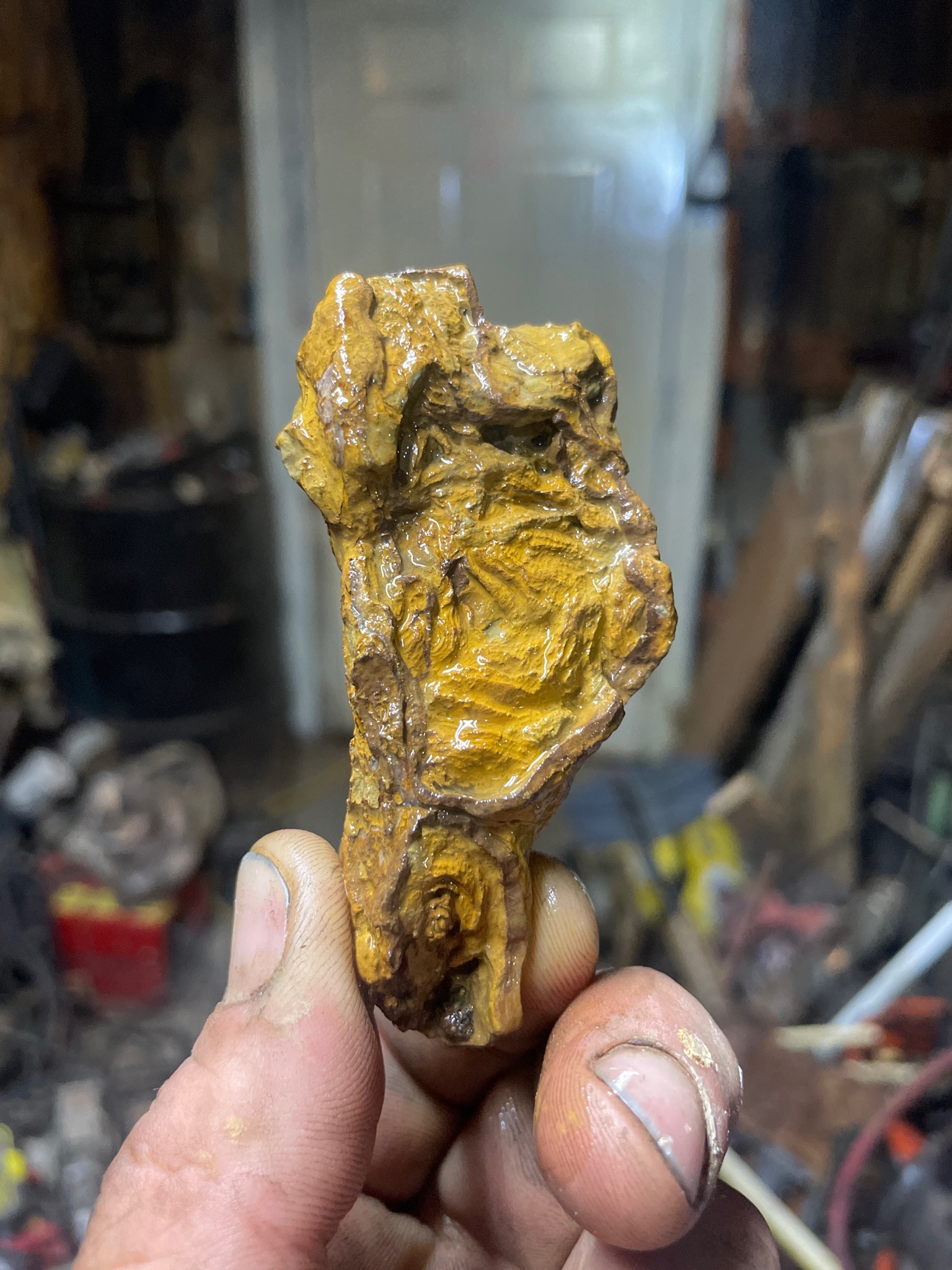
This specimen is a naturally formed mineral mass, held in a hand for scale, displaying a vivid ochre, mustard-yellow, and dark brown coloration. The physical structure features an irregular, rough exterior with layered, botryoidal, or boxwork textures typical of iron oxide or iron hydroxide mineral formations. The surface exhibits a glossy or wet appearance reflecting light, with deeply recessed crevices, undulating ridges, and concentric banding patterns visible across the central depression. There are no visible maker's marks, signatures, or applied stamps, as this is a natural geological specimen rather than a manufactured artifact. The overall condition shows the expected weathering, pitting, and oxidation inherent to mineral specimens extracted from the earth. The user-supplied attribution and context claim that the item was 'Found naturally in blue/gray clay,' an unverified provenance detail that aligns with environments where ironstones and limonite concretions commonly form. The identification relies entirely on visual characteristics such as color, texture, and structural morphology, suggesting a geological formation rather than a human-made object. Further physical testing, such as streak testing or hardness analysis, would be required to narrow down the precise mineral composition.
AI Appraisal Report

Based on what I can see in the provided image, this specimen exhibits a striking ochre, mustard-yellow, and dark brown coloration with an irregular, rough exterior and botryoidal, boxwork textures. Per user submission, the item was 'found naturally in blue/gray clay,' an unverified provenance detail that aligns reasonably with environments where ironstones and limonite concretions commonly form. I cannot verify from a photo alone whether this is definitively a limonite concretion or another iron oxide formation, as visual characteristics alone are insufficient for a rigorous geological classification. Assessing the value requires assuming the geological identification is correct. Under the assumption that this is a natural mineral specimen of this type, the current market value generally falls in the $25-50 range, driven primarily by decorative appeal for mineral collectors rather than high intrinsic gemological value. Condition heavily influences this estimate; any unnatural damage or alteration would diminish the value further. If this specimen turns out to be a synthetic replica or an entirely different, common rock type lacking the aesthetic limonite boxwork structure, the value would likely drop to nominal specimen pricing of under $15. To move beyond an unverified visual assessment and confirm the exact mineral composition, physical testing—such as streak testing, hardness analysis, or advanced spectroscopic examination—along with an in-person inspection by a qualified mineralogist would be necessary.

Keep exploring

More minerals and fossils appraisals

Get your items appraised

Instant AI-powered appraisal estimates from a photo

Browse More Appraisals