AI identification & appraisal estimate

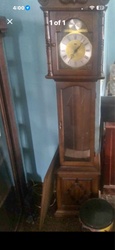
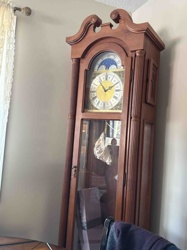
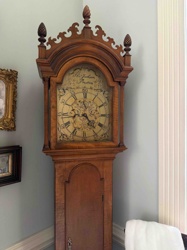
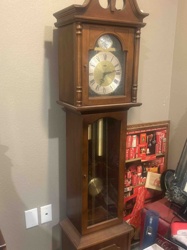
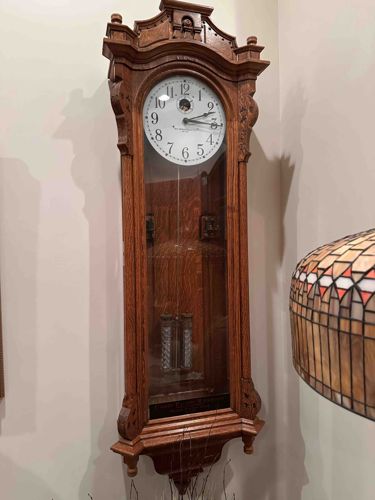
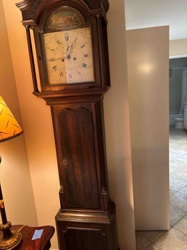
Lenzkirch Weight-Driven Regulator Wall Clock

Submitted photo of Lenzkirch Weight-Driven Regulator Wall Clock
Photo submitted by the user — not generated by AI

AI Estimated Value

Not an official valuation

$4,500 - $6,500

AI estimate as of February 13, 2026 · verify with a professional before acting

AI-Generated · Verify before acting

Everything on this page is generated by AI for informational purposes only. AI can make mistakes — the AI may misidentify items or misattribute them (artist, maker, brand, designer, origin, era). This is not an official valuation and should not be used for insurance, sale, tax, estate, legal, or lending purposes — or any decision requiring a certified appraisal. It is not an authoritative claim about any person, brand, or rights holder — do not share or rely on it as a factual statement about a third party. Always consult qualified professionals before making financial decisions.

Read the full disclaimer

AI Item Analysis

This is an antique German weight-driven regulator wall clock, likely manufactured by Lenzkirch around the late 19th century (circa 1880-1900). The case is constructed from solid oak with a rich, medium-brown finish, featuring a prominent 'Vienna Regulator' style. It boasts an architectural pediment with a carved crown and finials, complemented by decorative brackets and a tapered lower base. The white porcelain or enamel dial features black Arabic numerals, an inner seconds track, and ornate metal hands, with a visible escapement or winding arbor prominent at the 12 o'clock position. Below the dial, the long glass door reveals a dual-weight system with cylindrical brass weights suspended by delicate wires. The craftsmanship is evident in the precise joinery, floral wood carvings on the side columns, and the high-quality movement visible through the dial. Condition appears excellent with a well-maintained patina on the wood and polished metal components. There is minor visible wear consistent with age, but the glass and dial remain clear and intact, indicating a premium piece of horological history. The oak grain shows a beautiful flake pattern, suggesting quarter-sawn construction which was typical for high-end European clocks of this period.
AI Appraisal Report

Based on my visual examination of this Lenzkirch weight-driven regulator, I find it to be a superior example of late 19th-century German horology. The movement, identifiable as a high-grade Lenzkirch through the characteristic dial layout and visible escapement, is housed in an exceptionally well-preserved quarter-sawn oak case. The architectural pediment and meticulous floral carvings on the pilasters suggest this was a premium model, likely produced between 1885 and 1895. The porcelain dial remains free of hairline fractures, and the brass weights and pendulum exhibit a consistent patina, which is highly desirable to collectors. The market for Lenzkirch clocks remains robust compared to other German makers because of their 'A' grade movement reputation. Comparables for dual-weight regulators in oak—which is rarer than the typical walnut—frequently reach the $5,000 range at specialty horology auctions. The presence of the original finials and the integrity of the lower bracket significantly bolster its value. However, there are limitations to this digital appraisal. I cannot verify the movement's serial number or the '1 Million' mark typically found on later high-quality Lenzkirch plates without removing the dial. Full authentication would require a physical inspection of the movement for original factory stampings and an assessment of the escapement for wear. While the glass appears original, an in-person check for seed bubbles and waviness would confirm its age. Provenance documentation or original sales receipts would further solidify this valuation at the high end of the estimate.

Keep exploring

More antique furniture & horology appraisals

Get your items appraised

Instant AI-powered appraisal estimates from a photo

Browse More Appraisals