AI Appraisal Estimate

AI-generated estimates · not official valuations

From the user

What was submitted

Photo and notes provided by the user — not generated by AI

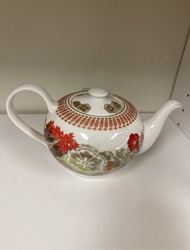
Submitted item photo
Submitted photo · June 10, 2026

User's notes

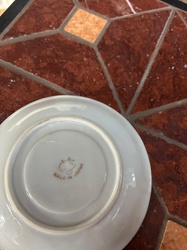
142 japan

AI analysis below

AI appraisal

AI analysis & estimate

AI-Generated · Verify before acting

Everything below is generated by AI for informational purposes only. AI can make mistakes — the AI may misidentify items or misattribute them (artist, maker, brand, designer, origin, era). This is not an official valuation and should not be used for insurance, sale, tax, estate, legal, or lending purposes — or any decision requiring a certified appraisal. It is not an authoritative claim about any person, brand, or rights holder — do not share or rely on it as a factual statement about a third party. Always consult qualified professionals before making financial decisions.

Note

This analysis also relies on unverified notes provided by the user, which may be incomplete or inaccurate and could affect the result.

Read the full disclaimer

AI Identification

·Not independently authenticated·Verify before acting

Japanese Gilded and Enameled Porcelain Teacup and Saucer

Teaware

AI Estimated Value

·Not an official valuation·Verify before acting

$25-45

As of June 10, 2026

AI Item Analysis

·AI can make mistakes·Verify before acting
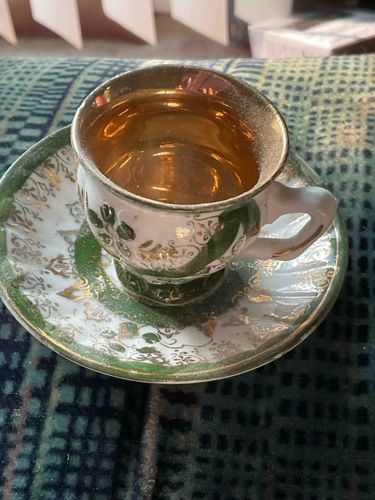
This is a small, ornate porcelain teacup and matching saucer, likely Japanese in origin based on the provided context '142 japan'. The teacup has a footed base and a delicate 'D' shaped handle. Both the cup and saucer are predominantly white porcelain, heavily decorated with a combination of dark green enamel and intricate gold gilting. The green enamel appears to be applied in a broad, flowing pattern around the body of the cup and the inner rim of the saucer, possibly depicting stylized floral or foliate motifs. Overlaid on the white and green areas are fine gold designs, including scrolls, swirls, and possibly small blossoms. The interior of the cup is entirely gilded with a luminous gold finish, which shows some wear and tarnishing, indicating age and use. The rim of the cup also shows some loss of gilding. The saucer features a raised center for the cup with the same green and gold decoration, and its outer rim is also edged in green with gold detailing. The overall condition suggests a vintage or antique piece; there are visible areas of wear to the gold finish, particularly on the cup's interior and rim, and some dulling or scratching on the enamel and glazed surfaces. No specific maker's marks are visible in the provided image, but the craftsmanship, with its detailed hand-applied decoration, points to a quality piece of decorative porcelain, likely from the early to mid-20th century, consistent with export ware from Japan during that period.
AI Appraisal Report

·AI can make mistakes·Verify before acting
Upon examining the images and details provided for this Japanese gilded and enameled porcelain teacup and saucer, my appraisal is as follows. The piece presents as a beautiful example of Japanese export ware, likely dating to the early to mid-20th century. The intricate application of dark green enamel overlaid with hand-painted gold detailing on a white porcelain body is characteristic of this period, often produced for the Western market. The gilded interior is a luxurious touch, suggesting it was intended as a decorative cabinet piece rather than for daily use. The condition is fair to good for its age. I note visible wear to the gilding, particularly on the interior of the cup and along the rim, as well as minor surface scratches. This wear is a primary factor influencing value, as collectors of this type of porcelain prize pristine examples. The mark '142 japan' likely refers to a pattern or factory number rather than a well-known maker, which places it in a more common category of export ware. Current market comparables for similar non-specific Japanese porcelain sets with visible wear place them in a modest price range. The demand is steady but not high, primarily from decorators and entry-level collectors. While the piece appears authentic to its type and period, a definitive appraisal is limited by the digital format. For full authentication and valuation, a physical examination would be necessary to inspect for hairline cracks, repairs, or a maker's mark not visible in the images. Without in-person inspection or provenance documentation, this valuation remains an estimate based on visual evidence.

Get your items appraised

Instant estimates of your treasures with AI-powered appraisals

Browse More Appraisals