AI identification & appraisal estimate

Iron-rich geological specimen, consistent with limonite or hematite-bearing rock

This name is the AI's identification of the item — it may be incorrect.

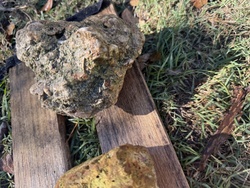
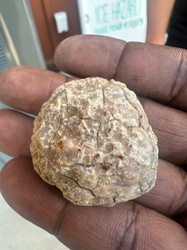
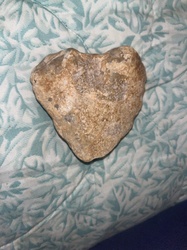
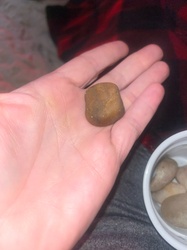
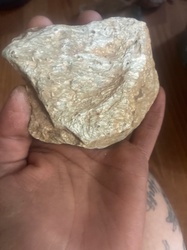
Submitted photo of Iron-rich geological specimen, consistent with limonite or hematite-bearing rock
Photo submitted by the user — not generated by AI

AI Estimated Value

Not an official valuation

$25 - $75

AI estimate as of June 13, 2026 · verify with a professional before acting

AI-Generated · Verify before acting

Everything on this page is generated by AI for informational purposes only. AI can make mistakes — the AI may misidentify items or misattribute them (artist, maker, brand, designer, origin, era). This is not an official valuation and should not be used for insurance, sale, tax, estate, legal, or lending purposes — or any decision requiring a certified appraisal. It is not an authoritative claim about any person, brand, or rights holder — do not share or rely on it as a factual statement about a third party. Always consult qualified professionals before making financial decisions.

Read the full disclaimer

AI Item Analysis

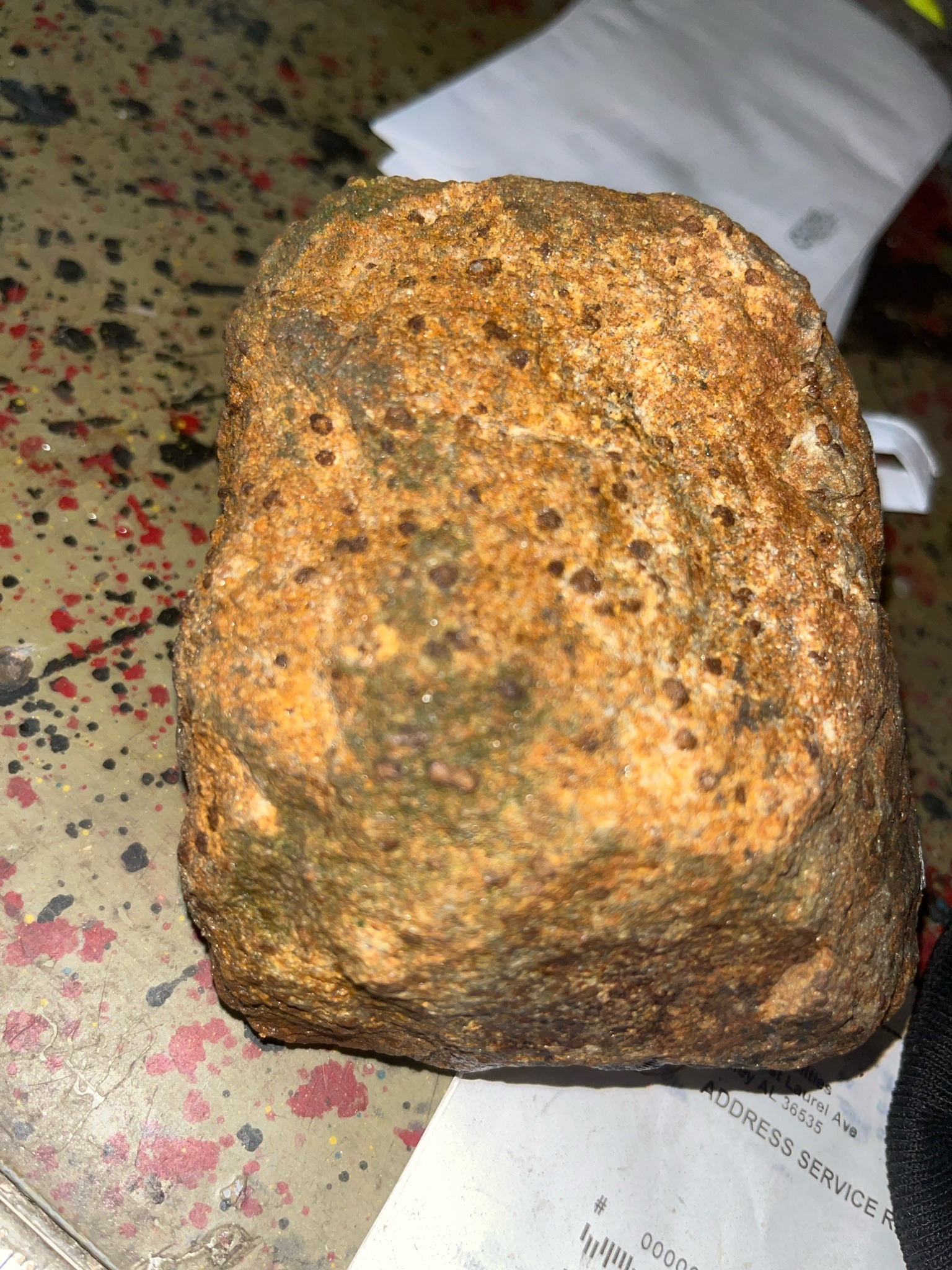
This item is a large, irregularly shaped geological specimen with a rough, highly textured surface and a blocky overall form. The color is characterized by a dominant palette of ochre, burnt orange, and reddish-brown, which is stylistically consistent with iron oxide staining or high iron content, such as that found in limonite, hematite, or laterite formations. There are also visible patches of darker grey-brown and subtle hints of olive green, which may indicate mineral variations, lichen growth, or moisture exposure. The surface is dotted with numerous small, dark, rounded nodules or concretions that create a pitted or 'pisolitic' appearance, a feature often associated with ironstones or bog iron. No maker's marks, signatures, or human-made etchings are visible, supporting the hypothesis that this is a naturally occurring rock or mineral formation rather than a manufactured object. The material appears dense and heavy, with a coarse granularity. There are no visible signs of crystalline structure on the surface, suggesting a sedimentary or secondary mineral origin. Because no chemical or mineralogical tests have been performed, this identification remains a hypothesis based on visual characteristics and the presence of typical oxide coloration patterns.

AI Appraisal Report

Based on my visual examination of the provided image, I have analyzed this geological specimen, which appears consistent with an iron-rich rock such as limonite, hematite, or a lateritic formation. I can observe a 'pisolitic' surface texture and iron-oxide coloration, but I cannot verify the specific mineral composition, density, or internal structure without a physical inspection. This value estimate is based on the working hypothesis that the item is a naturally occurring mineral specimen of common occurrence. The market for such raw geological samples generally favors pieces with unique crystal formations or those of high scientific rarity; this specimen appears to be a landscape-quality or educational-grade rock, which limits its ceiling in the collector market. My valuation assumes the item is naturally formed as described. If laboratory testing were to reveal rare inclusions or a meteoric origin, the value could increase significantly; however, if it is confirmed to be common slag or industrial byproduct—which can sometimes mimic these textures—the value would be negligible. To confirm its identification and potential value, one would need professional mineralogical testing including a streak test, specific gravity measurement, and potentially X-ray diffraction. For many specimens of this type, the lack of a verified provenance or 'find locality' also limits the desirability for serious mineralogists, though it remains an attractive decorative object for general collectors.

Keep exploring

More geological specimens appraisals

Get your items appraised

Instant AI-powered appraisal estimates from a photo

Browse More Appraisals