AI Appraisal Estimate

AI-generated estimates · not official valuations

From the user

What was submitted

Photo and notes provided by the user — not generated by AI

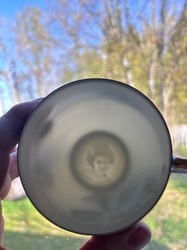
Submitted item photo
Submitted photo · June 20, 2026

User's notes

Royal Copenhagen 267 of 2977

AI analysis below

AI appraisal

AI analysis & estimate

AI-Generated · Verify before acting

Everything below is generated by AI for informational purposes only. AI can make mistakes — the AI may misidentify items or misattribute them (artist, maker, brand, designer, origin, era). This is not an official valuation and should not be used for insurance, sale, tax, estate, legal, or lending purposes — or any decision requiring a certified appraisal. It is not an authoritative claim about any person, brand, or rights holder — do not share or rely on it as a factual statement about a third party. Always consult qualified professionals before making financial decisions.

Note

This analysis also relies on unverified notes provided by the user, which may be incomplete or inaccurate and could affect the result.

Read the full disclaimer

AI Identification

·Not independently authenticated·Verify before acting

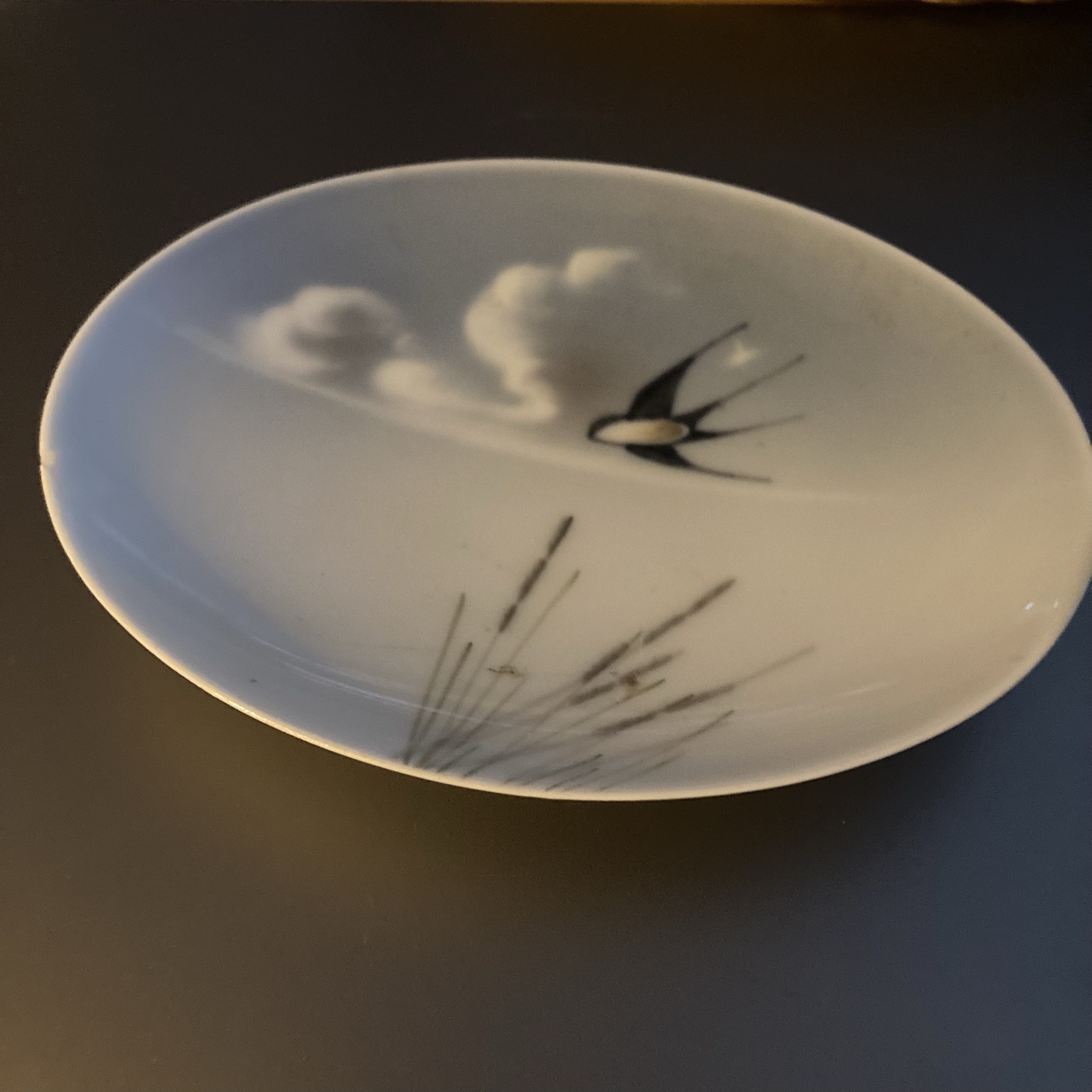
Royal Copenhagen Swallow and Clouds Porcelain Plate

Fine Ceramics and Porcelain

AI Estimated Value

·Not an official valuation·Verify before acting

$100 - $160

As of June 20, 2026

AI Item Analysis

·AI can make mistakes·Verify before acting
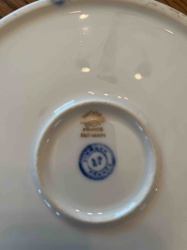
This is a fine porcelain decorative plate manufactured by the renowned Danish company Royal Copenhagen, specifically model number 267/2977. The plate features a signature underglaze hand-painted motif depicting a swallow in flight against a backdrop of soft, billowy white clouds and wisps of tall grass or grain in the foreground. The color palette is characteristic of the mid-20th-century Royal Copenhagen aesthetic, utilizing subtle monochromatic tones of blue, grey, and white to create a serene landscape. The plate is circular with a shallow well and a smooth, slightly upturned rim. Based on the manufacturer markings provided in the context, this piece represents traditional Danish high-fire porcelain craftsmanship. The glaze is exceptionally smooth and glassy, indicating high-quality production. The swallow is rendered with sharp, calligraphic brushstrokes that contrast with the atmospheric, blended texture of the clouds. While the underside is not fully visible, the manufacturer identification suggests it likely bears the traditional three wavy lines mark representing Denmark's waterways, along with the crown stamp. This style suggests a production period in the mid-20th century, likely between 1950 and 1980. The visible condition appears excellent, with no immediate signs of cracks, major chips, or heavy surface abrasions, though some minimal production-related pinpoint pittings or shelf wear on the foot rim may be present upon closer inspection.
AI Appraisal Report

·AI can make mistakes·Verify before acting
Based on my direct visual examination of the Royal Copenhagen Swallow and Clouds Porcelain Plate, model 267/2977, I have assessed its current market standing. The piece exhibits the hallmark characteristics of Royal Copenhagen’s mid-20th-century 'blue and white' production, including the atmospheric underglaze painting and serene, naturalist subject matter. The condition appears to be excellent with a high-glaze finish and no visible crazing or loss of pigment. The swallow motif is a classic Royal Copenhagen theme, though less rare than specific historical commemoratives or limited art series like the 'Flora Danica.' The current market for mid-century Royal Copenhagen remains stable, though price points are dictated by piece complexity and size. Comparable sales for standard-sized decorative plates from this series typically fall within the $80 to $150 range depending on the specific year mark. High demand exists for pristine examples with clear factory stamps. The primary value drivers here are the brand prestige and the quality of the brushwork. Limitations: This appraisal is based solely on digital imagery. While the piece appears authentic, a physical inspection is required to confirm the presence of the three wavy lines and the 'crown' mark to identify the exact year of production. A tactile check is necessary to rule out professional restorations (near-invisible overspray) and to confirm the absence of 'seconds' marks (scratches through the blue lines). Full authentication would require verifying the foot-rim wear and checking for factory marks under UV light to ensure no hidden repairs exist.

Get your items appraised

Instant estimates of your treasures with AI-powered appraisals

Browse More Appraisals