AI Appraisal Estimate

AI-generated estimates · not official valuations

From the user

What was submitted

Photo and notes provided by the user — not generated by AI

Submitted item photo
Submitted photo · May 30, 2026

User's notes

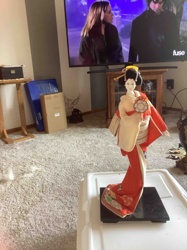
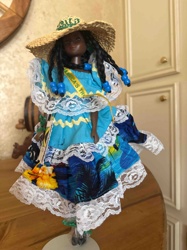
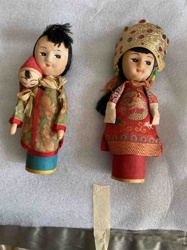
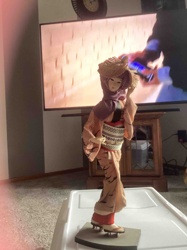
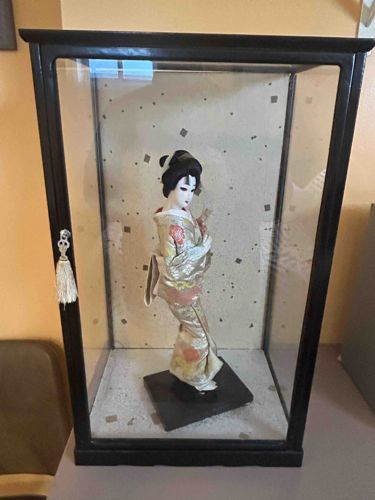
Japanese doll in glass case.

AI analysis below

AI appraisal

AI analysis & estimate

AI-Generated · Verify before acting

Everything below is generated by AI for informational purposes only. AI can make mistakes — the AI may misidentify items or misattribute them (artist, maker, brand, designer, origin, era). This is not an official valuation and should not be used for insurance, sale, tax, estate, legal, or lending purposes — or any decision requiring a certified appraisal. It is not an authoritative claim about any person, brand, or rights holder — do not share or rely on it as a factual statement about a third party. Always consult qualified professionals before making financial decisions.

Note

This analysis also relies on unverified notes provided by the user, which may be incomplete or inaccurate and could affect the result.

Read the full disclaimer

AI Identification

·Not independently authenticated·Verify before acting

Vintage Japanese Oyama Ningyo Geisha Doll in Glass Display Case

Collectibles - Asian Cultural Art & Dolls

AI Estimated Value

·Not an official valuation·Verify before acting

$150-$250

As of May 30, 2026

AI Item Analysis

·AI can make mistakes·Verify before acting
This is a classic Japanese Oyama Ningyo, often referred to as a Geisha or Kabuki doll, presented in its original protective glass and wood display case. The doll is depicted in a dynamic, graceful pose, likely capturing a moment from a traditional dance or theatrical performance. She is dressed in an elaborate silk kimono featuring a pale gold or cream base with intricate woven floral patterns in shades of red, pink, and yellow. The kimono construction shows multiple layers and a formal obi (sash) tied at the back. Her face is crafted in traditional white gofun (oyster shell paste), giving it a smooth, matte finish with delicate hand-painted facial features including narrow eyes and small red lips. Her hair is styled in a formal Nihongami coiffure made from black synthetic or human hair, adorned with simple kanzashi (hair ornaments). The doll stands on a black lacquered square base, which is set inside a glass case with a dark wood or lacquered frame featuring a white background speckled with gold-tone foil squares. Based on the style and materials, this appears to be a mid-20th-century piece (post-war Showa period). The doll appears to be in very good condition with no visible fading to the textiles, suggesting it has been kept out of direct sunlight. The glass case is intact and includes a decorative white tassel hanging from the door latch, which is a common finishing detail for these display items.
AI Appraisal Report

·AI can make mistakes·Verify before acting
Based on my examination of this Oyama Ningyo (Geisha) doll, I have identified it as a high-quality example from the mid-20th century Showa period. The doll features traditional gofun-finished features and an elaborate silk kimono with woven floral motifs, indicating superior craftsmanship compared to mass-produced tourist souvenirs. The preservation of the textiles is excellent, with no evidence of UV-induced fading or shattering of the silk, which frequently plagues these items. The inclusion of the original lacquered case with its gold-foil background significantly preserves its value, as these cases are fragile and often lost over time. Market demand for Japanese dolls is currently stable but selective; collectors prioritize condition and the complexity of the pose/garments. While this is a fine decorative piece, it remains a relatively common export and commemorative item from the 1950s-70s. For a full authentication, I would need to inspect the doll's inner structure to confirm the use of traditional wood-composite rather than modern plastics, and search for a 'maker's mark' or artist's signature (typically a wooden plaque called a kofuda) which may be hidden inside the case. This appraisal is based on visual data; physical inspection would be required to verify the age of the adhesive and the presence of any insect damage beneath the silk layers.

Get your items appraised

Instant estimates of your treasures with AI-powered appraisals

Browse More Appraisals