AI Appraisal Estimate

AI-generated estimates · not official valuations

From the user

What was submitted

Photo and notes provided by the user — not generated by AI

Submitted item photo
Submitted photo · June 6, 2026

User's notes

No additional notes provided.

AI analysis below

AI appraisal

AI analysis & estimate

AI-Generated · Verify before acting

Everything below is generated by AI for informational purposes only. AI can make mistakes — the AI may misidentify items or misattribute them (artist, maker, brand, designer, origin, era). This is not an official valuation and should not be used for insurance, sale, tax, estate, legal, or lending purposes — or any decision requiring a certified appraisal. It is not an authoritative claim about any person, brand, or rights holder — do not share or rely on it as a factual statement about a third party. Always consult qualified professionals before making financial decisions.

Read the full disclaimer

AI Identification

·Not independently authenticated·Verify before acting

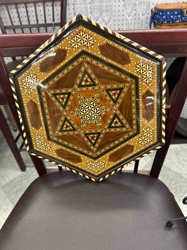
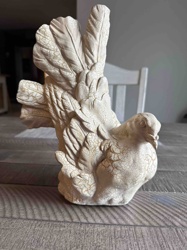
Inlaid Mother-of-Pearl Decorative Box

Decorative Arts/Home Decor

AI Estimated Value

·Not an official valuation·Verify before acting

$400 - $600

As of June 6, 2026

AI Item Analysis

·AI can make mistakes·Verify before acting
The item is a rectangular decorative box, likely a jewelry or trinket box, characterized by intricate inlay work. It appears to be constructed from wood, with the entire outer surface meticulously adorned with a mosaic of mother-of-pearl (nacre) and possibly bone or other white material, set against a dark contrasting background, which is typical of Syrian or Middle Eastern inlay. The primary design on the lid features a central rectangular panel filled with a repeating geometric stellar pattern, composed of small, precisely cut pieces of mother-of-pearl that catch the light, showing iridescent qualities. This central panel is bordered by multiple bands of contrasting geometric patterns, including triangular and dotted motifs. The craftsmanship suggests a high level of skill in marquetry or intarsia. Visible condition issues include a small, discolored spot, possibly a stain or residue, near the lower left of the central panel on the lid. Some minor wear and tear, such as slight lifting or separation of small inlay pieces, may be present upon closer inspection, though generally, the surface appears largely intact. The dark material forming the background of the inlay could be ebony or stained wood. The sides of the box also feature similar geometric inlay patterns. This type of box is characteristic of Mamluk revival or Damascene work, often dating from the late 19th to mid-20th century, though without specific maker's marks or provenance, a precise age is difficult to ascertain. The quality of the inlay, with its tight joins and complex patterns, indicates good craftsmanship.
AI Appraisal Report

·AI can make mistakes·Verify before acting
Upon examination of the provided images, this decorative box presents as a fine example of Middle Eastern, likely Syrian or Damascene, inlay work. The craftsmanship is of high quality, characterized by intricate geometric patterns created from precisely cut mother-of-pearl and bone or another white material, set into a dark wood ground. The design, particularly the stellar motif, is typical of work from the late 19th to mid-20th century. My visual assessment suggests the materials are authentic to the period and style. The overall condition appears very good, with the inlay largely intact. I do note a minor discoloration or stain on the lid, and there may be slight, age-appropriate wear and tear not fully visible in the images. The primary factor influencing value is the quality and complexity of the inlay, which in this case is quite high. Market demand for well-preserved Damascene ware remains steady. However, without physical inspection, I cannot fully authenticate the age or materials. A definitive attribution would require in-person examination to assess the wood joinery, check for restoration, and identify the specific type of wood and inlay material used. Provenance documentation would be essential to confirm its history and potentially elevate its value. Lacking this, my valuation is based on comparable sales of similar, unsigned boxes from the same period.

Get your items appraised

Instant estimates of your treasures with AI-powered appraisals

Browse More Appraisals