AI Appraisal Estimate

AI-generated estimates · not official valuations

From the user

What was submitted

Photo and notes provided by the user — not generated by AI

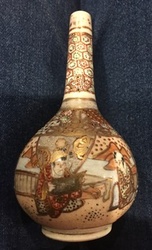
Submitted item photo
Submitted photo · June 23, 2026

User's notes

No additional notes provided.

AI analysis below

AI appraisal

AI analysis & estimate

AI-Generated · Verify before acting

Everything below is generated by AI for informational purposes only. AI can make mistakes — the AI may misidentify items or misattribute them (artist, maker, brand, designer, origin, era). This is not an official valuation and should not be used for insurance, sale, tax, estate, legal, or lending purposes — or any decision requiring a certified appraisal. It is not an authoritative claim about any person, brand, or rights holder — do not share or rely on it as a factual statement about a third party. Always consult qualified professionals before making financial decisions.

Read the full disclaimer

AI Identification

·Not independently authenticated·Verify before acting

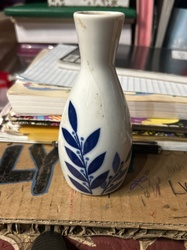
Japanese Cobalt Blue Porcelain Sake Cup with Gosho-guruma Motif

Asian Art and Antiques - Ceramics and Pottery

AI Estimated Value

·Not an official valuation·Verify before acting

$45 - $75

As of June 23, 2026

AI Item Analysis

·AI can make mistakes·Verify before acting
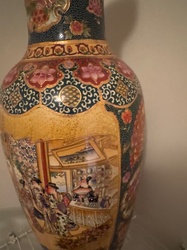
This item is a small, hand-held Japanese porcelain sake cup or o-choko, characterized by a deep cobalt blue glaze and an ovate, bulbous form. The exterior is decorated with a vibrant polychrome enameled motif featuring a Gosho-guruma (aristocratic ox-drawn carriage) overflowing with a lush floral arrangement of pink peonies, white chrysanthemums, and orange blossoms. The decoration is rendered in the Imari or Satsuma-inspired style, utilizing raised enamels and delicate gold (gilt) line-work to highlight details like the carriage wheel and flower petals. The piece measures approximately 2 to 2.5 inches in height. On the underside, the base features an unglazed white foot rim surrounding a recessed blue center which contains a gold-stamped maker's mark or seal, likely indicating a 20th-century production, possibly Mid-Century Showa period. The craftsmanship shows high-quality application of decals and hand-finishing. The condition appears excellent with no visible chips or cracks, though there is minor shelf wear on the unglazed foot rim. The gold leaf detailing remains remarkably intact, suggesting the piece was primarily used for display or handled with great care.
AI Appraisal Report

·AI can make mistakes·Verify before acting
I have examined the descriptive and visual characteristics of this cobalt blue porcelain sake cup (o-choko). The item features a Gosho-guruma (Imperial carriage) motif, which is a classic symbol of the Heian period nobility, executed in a style reminiscent of Showa-era export ware. The application of raised enamels and gold-stamped marks suggests a mid-to-late 20th-century production date, likely between 1950 and 1980. The condition appears remarkably well-preserved. The high-gloss cobalt glaze shows no signs of crazing or impact fractures, and the gilt work—frequently the first element to degrade—shows minimal oxidation or rubbing. Technically, the item demonstrates high-quality industrial craftsmanship rather than artisanal kiln-firing of the Edo or Meiji periods. The use of gold-stamped seal marks indicates a commercial production house, possibly from the Kutani or Arita regions, aimed at the giftware or tourist market. Market demand for mid-century Japanese ceramics remains steady but accessible. Similar pieces are frequently found in 'sake sets' (including a tokkuri carafe) and generally trade within the $40 to $75 range for individual cups based on the quality of the gold leaf. The value is driven by decorative appeal rather than historical rarity. Please note: This appraisal is based strictly on visual inspection. Authenticity of the gold content and the precise identification of the maker's mark would require an in-person physical examination with a jeweler's loupe. To fully certify the piece, provenance documentation or a search of the specific manufacturer's registrar from the Showa period would be necessary. Physical inspection would also be required to rule out professional restorations that may be invisible in digital photography.

Get your items appraised

Instant estimates of your treasures with AI-powered appraisals

Browse More Appraisals