AI identification & appraisal estimate

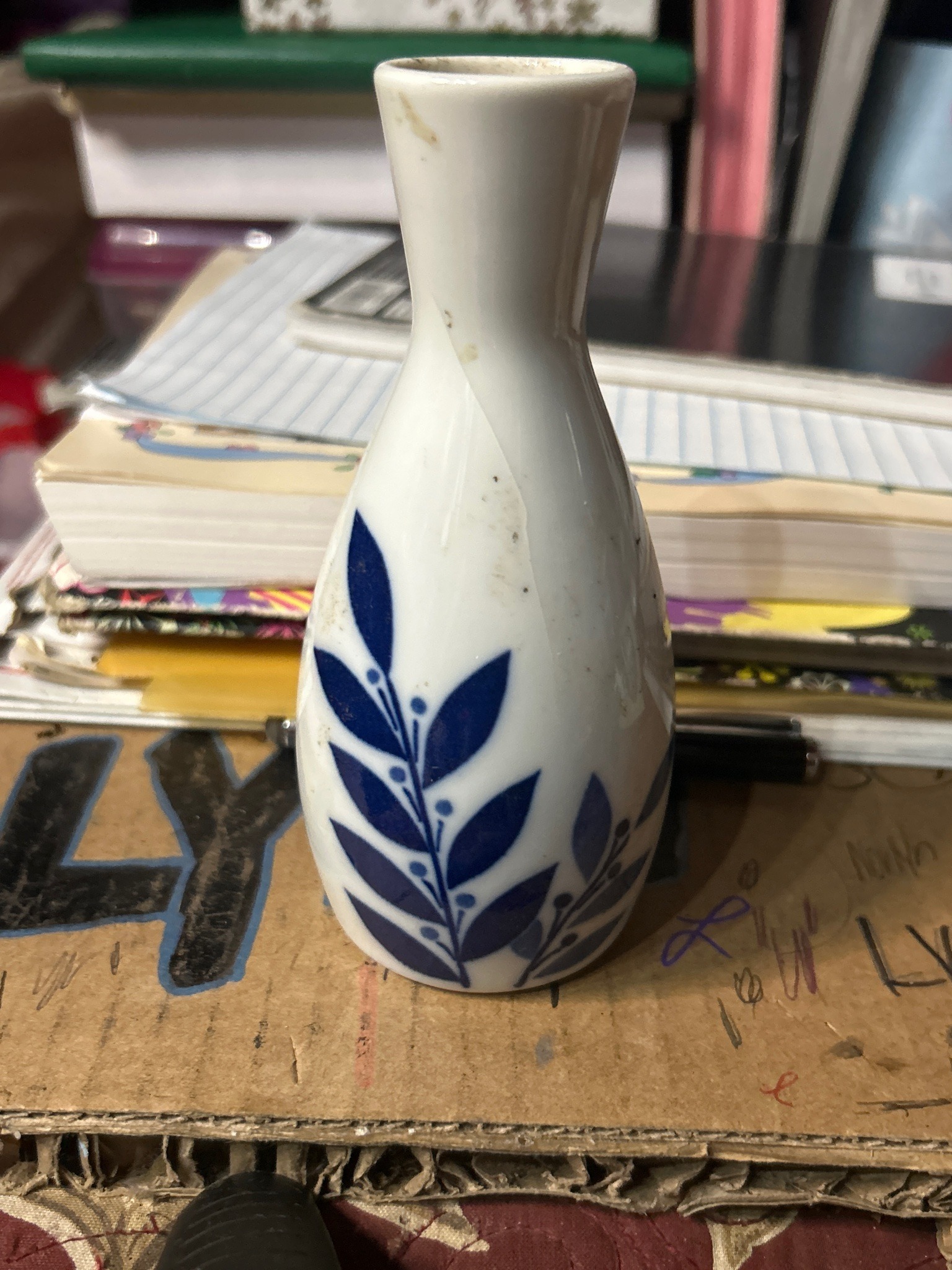
small ceramic vase in the East Asian style

This name is the AI's identification of the item — it may be incorrect.

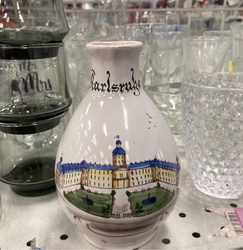
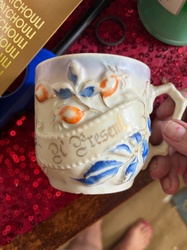
Submitted photo of small ceramic vase in the East Asian style
Photo submitted by the user — not generated by AI

User's notes

Japanese small vase

These notes were written by the person who submitted this item. Appraiser.AI has not verified them, and the AI's identification and estimate may rely on them.

AI Estimated Value

Not an official valuation

$40-$80

AI estimate as of July 30, 2026 · verify with a professional before acting

AI-Generated · Verify before acting

Everything on this page is generated by AI for informational purposes only. AI can make mistakes — the AI may misidentify items or misattribute them (artist, maker, brand, designer, origin, era). This is not an official valuation and should not be used for insurance, sale, tax, estate, legal, or lending purposes — or any decision requiring a certified appraisal. It is not an authoritative claim about any person, brand, or rights holder — do not share or rely on it as a factual statement about a third party. Always consult qualified professionals before making financial decisions.

This analysis also relies on unverified notes provided by the user, which may be incomplete or inaccurate and could affect the result.

Read the full disclaimer

AI Item Analysis

This is a small ceramic vase featuring a tapered, bulbous body with a narrow neck and a flared rim. The piece is constructed from a white glazed ceramic or porcelain material, decorated with a hand-painted or transfer-printed blue botanical motif showing leaves and small berries or dots winding around the lower half of the body. The surface exhibits visible signs of wear, including surface smudges, minor spots of discoloration, and possible grime accumulation, particularly along the neck and upper portion. There is no clearly visible maker's mark, signature, or stamp apparent in this photo. The owner supplies the unverified context that this is a Japanese small vase, which is consistent with the general aesthetic and form of small ceramic vessels from the region, though this attribution remains unverified without physical inspection and expert appraisal. Hedged language is used for the identification because no specific maker's mark or manufacture documentation is visible in the image. The style and form are broadly consistent with decorative ceramic small vessels often used for floral arrangements or as tabletop display items, potentially dating to the 20th century, though exact age and origin cannot be determined from a photograph alone.
AI Appraisal Report

Based on the provided photograph, I have evaluated this small ceramic vase. Per user submission, the owner identifies this as a Japanese small vase featuring a tapered, bulbous body and a blue botanical motif. Based on what I can see in the image, the piece displays a white glaze with hand-painted or transfer-printed cobalt detailing, along with visible surface smudges, minor discoloration, and grime around the neck. I cannot verify from a photo whether the attribution to Japanese manufacture is correct, as there is no clearly visible maker's mark, signature, or stamp apparent. A physical inspection would be needed to confirm paste composition, weight, and glaze characteristics. My value estimate of $40-$80 assumes the user's attribution is correct and that the vessel dates to the 20th century. This range reflects typical market behavior for decorative East Asian-style ceramics of this size and general aesthetic. Demand for tabletop decorative items of this nature is modest in the current secondary market. Condition heavily impacts value; the observed grime and surface wear detract slightly from desirability. Furthermore, I cannot assert authenticity or exact origin from an image alone. If physical inspection reveals the item is a reproduction, modern replica, or created simply 'in the style of' rather than an authentic period piece, the value would likely drop to the $15-$30 range, serving purely as a decorative object. To establish a more precise evaluation and potentially confirm authenticity, an in-person examination by a ceramics expert, hallmark verification if any marks emerge upon cleaning, and detailed provenance documentation would be required.

Keep exploring

More ceramics and pottery appraisals

Get your items appraised

Instant AI-powered appraisal estimates from a photo

Browse More Appraisals