AI Appraisal Estimate

AI-generated estimates · not official valuations

From the user

What was submitted

Photo and notes provided by the user — not generated by AI

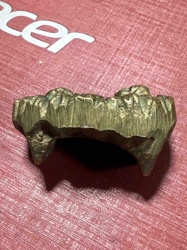
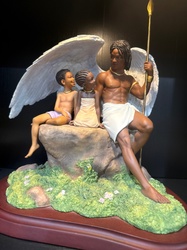
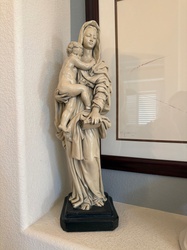
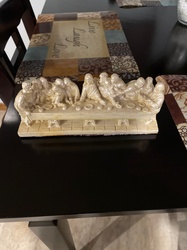
Submitted item photo
Submitted photo · June 6, 2026

User's notes

No additional notes provided.

AI analysis below

AI appraisal

AI analysis & estimate

AI-Generated · Verify before acting

Everything below is generated by AI for informational purposes only. AI can make mistakes — the AI may misidentify items or misattribute them (artist, maker, brand, designer, origin, era). This is not an official valuation and should not be used for insurance, sale, tax, estate, legal, or lending purposes — or any decision requiring a certified appraisal. It is not an authoritative claim about any person, brand, or rights holder — do not share or rely on it as a factual statement about a third party. Always consult qualified professionals before making financial decisions.

Read the full disclaimer

AI Identification

·Not independently authenticated·Verify before acting

Hand-Carved Reclining Buddha Sculpture

Religious Art & Sculptures

AI Estimated Value

·Not an official valuation·Verify before acting

$150 - $250

As of June 6, 2026

AI Item Analysis

·AI can make mistakes·Verify before acting
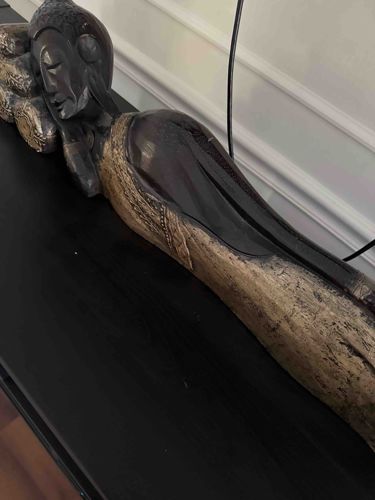
This is a significant hand-carved sculpture depicting the Reclining Buddha, a traditional iconographic representation of Siddhartha Gautama during his last moments before entering Parinirvana. The piece is crafted from a solid piece of dark-stained wood, possibly suar or teak, featuring a dual-tone finish. The upper anatomical portions of the figure, including the face and back, are polished to a deep ebony-like sheen, while the lower robes and the base are finished with an antiqued, pale gold or ochre patina with intricate textural incisions. The face is rendered with peaceful, downturned eyes and elongated earlobes characteristic of Southeast Asian Buddhist art. The figure rests its head upon a stack of three carved cushions, which are embellished with floral or geometric motifs. Notable condition issues include a prominent longitudinal crack (checking) along the upper back of the figure, likely caused by atmospheric changes or natural drying of the primary wood block. The craftsmanship exhibits a high degree of manual skill, though it appears to be a 20th or early 21st-century production intended for the art and décor trade rather than a temple antiquity. The contrasting textures and colors provide a dramatic visual appeal, emphasizing the folds of the robes and the serene expression of the deity.
AI Appraisal Report

·AI can make mistakes·Verify before acting
Based on my visual examination, this Reclining Buddha sculpture is a decorative, hand-carved piece likely originating from Indonesia, specifically Bali, dating to the late 20th or early 21st century. The craftsmanship is competent, utilizing what appears to be Suar wood (Samanea saman), a sustainable hardwood favored for its interlocking grain which allows for detailed carving, though it is prone to checking. The dual-tone finish—contrasting the polished, dark-stained skin of the figure against the textured, pale-gold painted robes—is a stylistic choice common in Southeast Asian export art intended for Western interiors. Condition is the primary detractor for this piece. I observed a significant longitudinal crack running along the upper back. This type of 'checking' occurs when the outer layers of the wood dry faster than the core, causing tension and rupture. While common in solid wood sculptures transported between humid and dry climates, it significantly impacts the structural integrity and aesthetic value. This is not an antiquity or a temple-consecrated object, but rather a skilled artisan piece created for the décor market. In the current market, similar large-scale Suar sculptures in excellent condition can fetch between $300 and $500. However, given the substantial damage and lack of historical provenance, the value is strictly decorative. To fully verify the wood species and ensure the crack hasn't compromised the base stability, a physical inspection would be required. Without provenance linking this to a specific master carver, it remains a handsome but compromised example of Balinese-style craftsmanship.

Get your items appraised

Instant estimates of your treasures with AI-powered appraisals

Browse More Appraisals