AI Appraisal Estimate

AI-generated estimates · not official valuations

From the user

What was submitted

Photo and notes provided by the user — not generated by AI

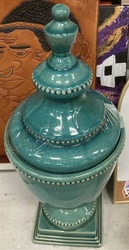
Submitted item photo
Submitted photo · June 18, 2026

User's notes

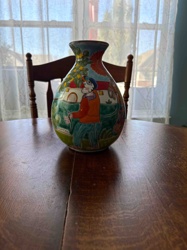
Water pitcher

AI analysis below

AI appraisal

AI analysis & estimate

AI-Generated · Verify before acting

Everything below is generated by AI for informational purposes only. AI can make mistakes — the AI may misidentify items or misattribute them (artist, maker, brand, designer, origin, era). This is not an official valuation and should not be used for insurance, sale, tax, estate, legal, or lending purposes — or any decision requiring a certified appraisal. It is not an authoritative claim about any person, brand, or rights holder — do not share or rely on it as a factual statement about a third party. Always consult qualified professionals before making financial decisions.

Note

This analysis also relies on unverified notes provided by the user, which may be incomplete or inaccurate and could affect the result.

Read the full disclaimer

AI Identification

·Not independently authenticated·Verify before acting

Rustic Mediterranean-Style Ceramic Water Pitcher

Decorative Arts and Ceramics

AI Estimated Value

·Not an official valuation·Verify before acting

$150 - $250

As of June 18, 2026

AI Item Analysis

·AI can make mistakes·Verify before acting
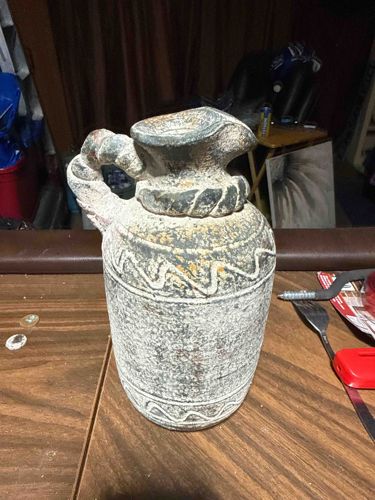
This item is a tall, narrow-bodied ceramic water pitcher featuring a heavily textured, weathered finish. The vessel is constructed with a rounded base, a cylindrical body that tapers slightly toward the shoulder, and a flared rim with a distinct pouring spout. A thick, looped handle is attached from the shoulder to the rim, featuring a braided or rope-like texture that is mirrored in a decorative ring encircling the base of the neck. The piece exhibits primitive-style incised wavy lines or 'zig-zag' patterns running horizontally around the upper and lower portions of the body. The surface finish is highly distressed, showing a mottled combination of gray, white, and earthy ochre tones, suggesting an aged patina or a calcified 'underwater' aesthetic. The texture appears coarse and pitted, which may be a deliberate design choice meant to evoke an ancient archaeological artifact. While the piece mimics an antique Hellenistic or Mediterranean oil or water jar, the uniformity of the incised patterns and the handle attachment suggest it is a more contemporary decorative piece made in a primitive style. There are no visible maker's marks or signatures on the exterior. The condition appears stable, though the rough surface makes it difficult to distinguish between intended aesthetic wear and actual physical damage such as minor abrasions or surface chips.
AI Appraisal Report

·AI can make mistakes·Verify before acting
I have examined the provided details and imagery of the Rustic Mediterranean-Style Ceramic Water Pitcher. This vessel is a contemporary decorative piece designed to mimic archaeological antiquities, specifically Hellenistic or Roman-era storage jars. The heavy incised zig-zag patterns and rope-motif handle are characteristic of modern 'primitive-style' ceramics frequently produced in the late 20th to early 21st century for the interior design market. While the surface suggests a calcified patina, the uniformity of the 'weathering' indicates a controlled chemical or mechanical distressing process rather than centuries of submersion or burial. The condition appears consistent with its intended aesthetic; however, the coarse texture may mask minor surface abrasions. The market for high-end reproduction ceramics remains stable, driven by the 'Wabi-sabi' and Mediterranean-modern design trends. Comparables found in boutique decor catalogs and secondary market sites typically realize prices between $100 and $300 depending on scale and weight. The lack of a maker's mark limits its collectible value to its aesthetic appeal rather than historical significance. Please note that this appraisal is based on visual examination of the provided description. A definitive assessment of age and composition would require a physical inspection to determine the kiln-firing temperature and clay body type. To confirm it is not an authentic ancient artifact, Thermoluminescence (TL) testing would be required, though the construction techniques observed strongly support a modern origin. Provenance regarding the original point of purchase would further clarify its valuation.

Get your items appraised

Instant estimates of your treasures with AI-powered appraisals

Browse More Appraisals