AI Appraisal Estimate

AI-generated estimates · not official valuations

From the user

What was submitted

Photo and notes provided by the user — not generated by AI

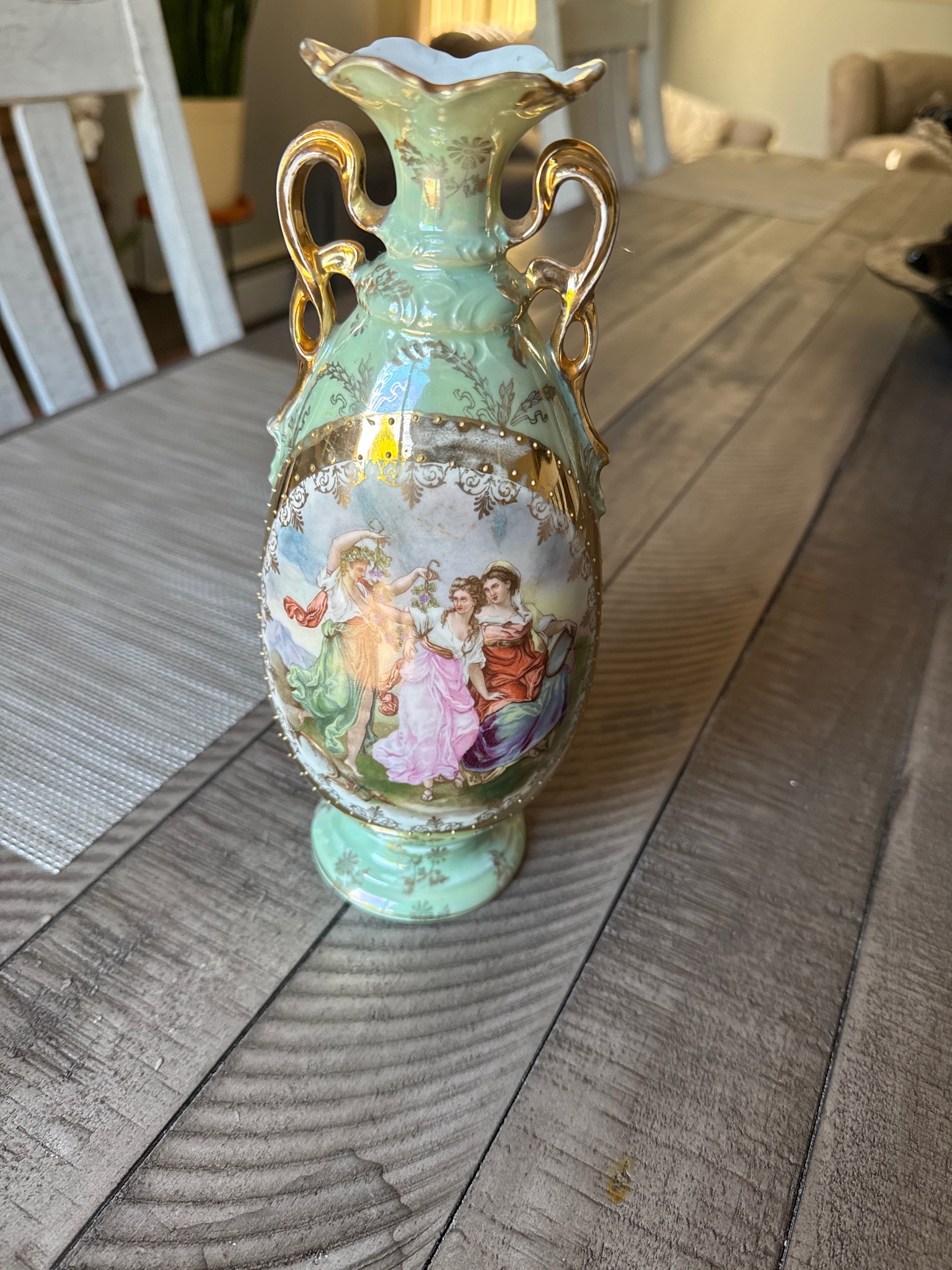
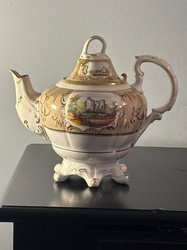
Submitted item photo
Submitted photo · June 27, 2026

User's notes

Royal saxe vase

AI analysis below

AI appraisal

AI analysis & estimate

AI-Generated · Verify before acting

Everything below is generated by AI for informational purposes only. AI can make mistakes — the AI may misidentify items or misattribute them (artist, maker, brand, designer, origin, era). This is not an official valuation and should not be used for insurance, sale, tax, estate, legal, or lending purposes — or any decision requiring a certified appraisal. It is not an authoritative claim about any person, brand, or rights holder — do not share or rely on it as a factual statement about a third party. Always consult qualified professionals before making financial decisions.

Note

This analysis also relies on unverified notes provided by the user, which may be incomplete or inaccurate and could affect the result.

Read the full disclaimer

AI Identification

·Not independently authenticated·Verify before acting

Royal Saxe Ewer-Style Decorative Porcelain Vase

Antique European Porcelain and Ceramics

AI Estimated Value

·Not an official valuation·Verify before acting

$450 - $650

As of June 27, 2026

AI Item Analysis

·AI can make mistakes·Verify before acting
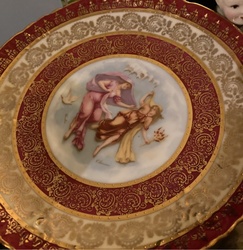
This is a decorative porcelain vase in the style of an amphora or ewer, attributed to Royal Saxe (Germany). The object features a tall, slender ovoid body resting on a flared circular pedestal base. The body is characterized by a pale celadon or seafoam green ground with an iridescent, pearlescent luster glaze finish. Two ornate, scrolling gilded handles connect the flared, ruffled rim to the shoulders of the vase. The primary focal point is a large, hand-decorated oval reserve on the front depicting a neoclassical or Rococo-style pastoral scene with four female figures in flowing garments, possibly portraying the Muses or a Dionysian celebration. This central vignette is framed by heavy raised gilt beading and intricate gold-toned scrollwork. The reverse and neck are further embellished with delicate floral sprigs in gold. Based on the style and craftsmanship, this piece appears to date from the late 19th century to the early 20th century (Victorian or Edwardian era). The overall condition is good, though visible wear is present on the gilt handles and rim, a common indicator of age and handling. There is also minor oxidation or darkening visible at the top edge of the central frame and light surface grime consistent with display. The porcelain appears structurally sound with no large cracks visible from the front view.
AI Appraisal Report

·AI can make mistakes·Verify before acting
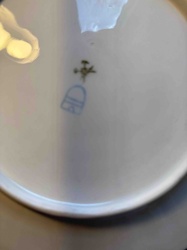
I have carefully examined the provided images and description of this Royal Saxe ewer-style decorative porcelain vase. The piece exhibits characteristic hallmarks of Late Victorian or Edwardian ornamental ceramic production, specifically the iridescent luster glaze and the hand-finished neoclassical vignette popular in the 1890-1910 period. The craftsmanship, particularly the raised gilded beading and the 'Dionysian' thematic transfers, aligns with German export porcelain standards of that era. I note significant gilt loss on the handles and rim, which is typical of its age but detracts from the total value. The primary appeal lies in its large scale and the aesthetic charm of the multi-figure reserve. The market for general 'Royal Saxe' and related German porcelain is currently stable but softer than its peak in the late 20th century, with collectors prioritizing pristine condition and documented provenance. Comparables for similar decorative ewers of this height range between $400 and $700 at regional auction houses. While the piece appears authentic to the period, I must state that a definitive valuation from digital images has limitations. I cannot verify the integrity of the porcelain body for hairlines or professional restoration under UV light, nor can I confirm the authenticity of the base markings. A full authentication would require an in-person physical inspection to assess the weight, the tactile quality of the hand-painting versus transfer-ware, and a microscopic review of the glaze for signs of re-firing. For definitive validation, checking for a specific 'Crown' or 'Dresden' style mark on the underside would be the next requisite step.

Get your items appraised

Instant estimates of your treasures with AI-powered appraisals

Browse More Appraisals