AI Appraisal Estimate

AI-generated estimates · not official valuations

From the user

What was submitted

Photo and notes provided by the user — not generated by AI

Submitted item photo
Submitted photo · June 14, 2026

User's notes

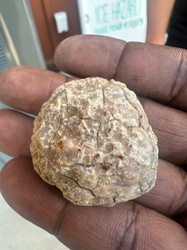
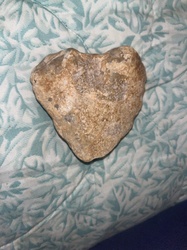
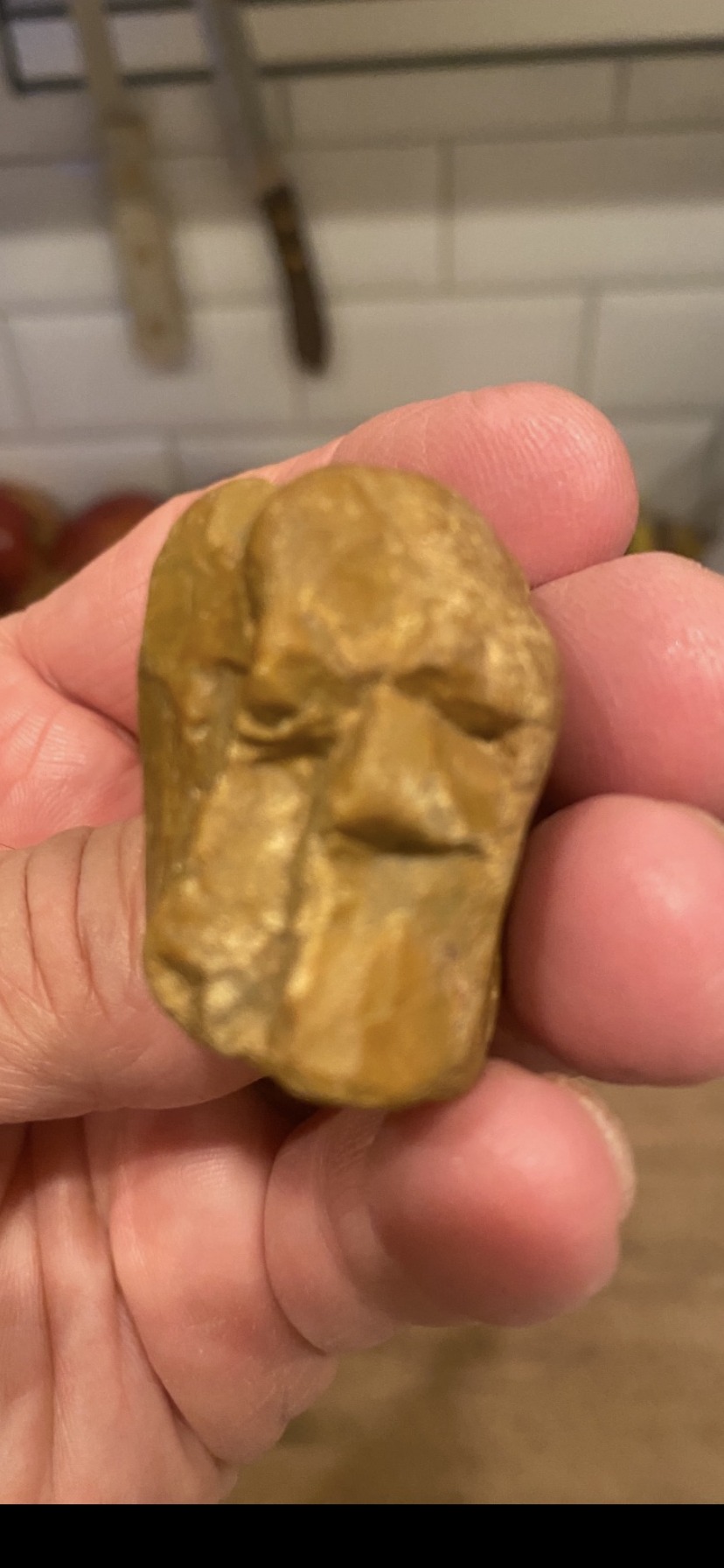
Found this small chert portable rock face effigy on our Guthrie, OK property. It could be from the Paleolithic or Paleo Indian time frame

AI analysis below

AI appraisal

AI analysis & estimate

AI-Generated · Verify before acting

Everything below is generated by AI for informational purposes only. AI can make mistakes — the AI may misidentify items or misattribute them (artist, maker, brand, designer, origin, era). This is not an official valuation and should not be used for insurance, sale, tax, estate, legal, or lending purposes — or any decision requiring a certified appraisal. It is not an authoritative claim about any person, brand, or rights holder — do not share or rely on it as a factual statement about a third party. Always consult qualified professionals before making financial decisions.

Note

This analysis also relies on unverified notes provided by the user, which may be incomplete or inaccurate and could affect the result.

Read the full disclaimer

AI Identification

·Not independently authenticated·Verify before acting

Chert stone with humanoid facial features

Geological Specimens

AI Estimated Value

·Not an official valuation·Verify before acting

$5.00 - $1,500.00

As of June 14, 2026

AI Item Analysis

·AI can make mistakes·Verify before acting
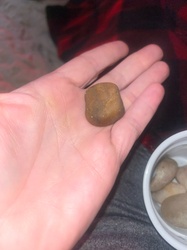
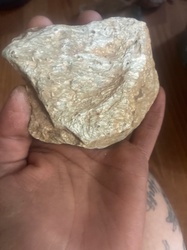
This item is a small, tan-to-ochre colored stone, likely chert or flint based on its waxy luster and textural appearance. It is held between two fingers, suggesting it is approximately one to two inches in height. The surface contains various indentations, ridges, and pits that collectively resemble a humanoid face, including a protruding triangular section similar to a nose and two horizontal depressions consistent with eye sockets. The user identifies this as a 'portable rock face effigy' from the Guthrie, OK area, attributing it potentially to the 'Paleolithic or Paleo Indian time frame.' However, these claims remain unverified. From a geological and archaeological perspective, the features are also consistent with pareidolia, where natural weathering, fracturing, and erosion create accidental shapes that the human mind interprets as familiar patterns. There are no clearly visible tool marks, deliberate flaking patterns, or signs of human modification from the image alone. The stone shows a smooth, weathered patina with various natural fractures and mineral staining, which is common in river-worn or field-found chert specimens. Identification as a man-made artifact would require in-person microscopic analysis by an archaeologist to distinguish between natural geofacts and intentional human carving.

AI Appraisal Report

·AI can make mistakes·Verify before acting
I have examined the images of the chert specimen found in Guthrie, OK. The owner identifies this as a 'portable rock face effigy' potentially from the Paleolithic or Paleo Indian period. Based on my visual analysis, the object displays features consistent with pareidolia—a phenomenon where natural weathering on chert creates shapes interpreted as human likenesses. I cannot determine from a photo whether the 'eyes' and 'nose' result from intentional human modification or natural geofacts. The value is highly speculative and dependent on identification. If treated as a natural geological curiosity or 'curio stone,' the market value is nominal, generally $5.00 to $20.00. However, if this were scientifically validated as a Paleo Indian lithic effigy, comparable artifacts in the specialized collector market might command $500.00 to $1,500.00. To move beyond this hypothesis, a physical inspection by a lithics expert is required to look for microscopic tool marks or 'use-wear' that would distinguish it from a natural stone. Without such proof, most institutions and high-level collectors would view this as a natural geofact. The wide valuation range reflects the extreme market disparity between a natural stone and a rare, validated archaeological artifact. Proving the owner's attribution would require stratigraphic data from the find site or professional traceology.

Related Tags

Explore similar items and categories

Get your items appraised

Instant estimates of your treasures with AI-powered appraisals

Browse More Appraisals