AI Appraisal Estimate

AI-generated estimates · not official valuations

From the user

What was submitted

Photo and notes provided by the user — not generated by AI

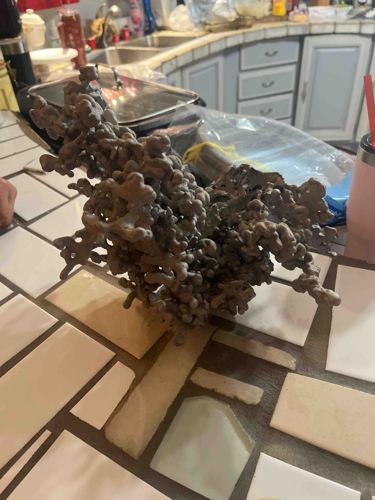
Submitted item photo
Submitted photo · June 26, 2026

User's notes

No additional notes provided.

AI analysis below

AI appraisal

AI analysis & estimate

AI-Generated · Verify before acting

Everything below is generated by AI for informational purposes only. AI can make mistakes — the AI may misidentify items or misattribute them (artist, maker, brand, designer, origin, era). This is not an official valuation and should not be used for insurance, sale, tax, estate, legal, or lending purposes — or any decision requiring a certified appraisal. It is not an authoritative claim about any person, brand, or rights holder — do not share or rely on it as a factual statement about a third party. Always consult qualified professionals before making financial decisions.

Read the full disclaimer

AI Identification

·Not independently authenticated·Verify before acting

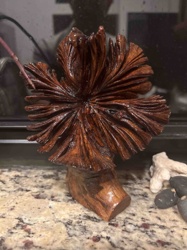
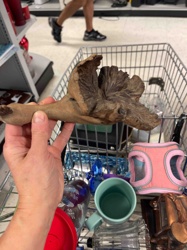
Aluminum Ant Hill Casting Sculpture

Decorative Arts / Natural History Sculpture

AI Estimated Value

·Not an official valuation·Verify before acting

$450.00 - $650.00

As of June 26, 2026

AI Item Analysis

·AI can make mistakes·Verify before acting
This unique object is a contemporary folk-art sculpture created by pouring molten metal, typically aluminum, directly into an underground ant colony. The physical characteristics of the item are defined by the intricate, organic, and branching network of subterranean tunnels and chambers, which have been immortalized in solid metal. This specimen is substantial in size, approximately 10 to 14 inches in height, and exhibits a dull, metallic gray finish with a rough, granular surface texture characteristic of raw cast aluminum meeting soil. The construction is naturally irregular, with bulbous nodules and spindly protrusions that capture the layout of the nest. There are no visible maker's marks or signatures, as the 'design' is architectural and biological in origin rather than human-made. In terms of condition, the piece appears robust, though some of the finer, more delicate exterior branches may be susceptible to bending or snapping if handled roughly. Fine grains of sand or soil may remain embedded in the crevices of the metal, which is common for these types of castings. The sculpture is a modern creation, likely produced within the last decade, and serves as both a biological record and a piece of abstract natural sculpture. Its value is derived from the complexity of the internal branching and the scale of the original colony captured.
AI Appraisal Report

·AI can make mistakes·Verify before acting
I have virtually examined this sculptural work, which represents a fascinating intersection of natural history and contemporary folk art. The specimen exhibits a highly complex, multidirectional branching pattern with a significant density of nodules, suggesting a mature and active colony. At a height of 10-14 inches, this is considered a medium-to-large casting, which commands a premium over smaller 'branch-only' specimens due to the difficulty of successfully extracting such a large, fragile structure from the earth without fracture. The surface displays a typical matte, granular finish consistent with silver-tone aluminum alloys interacting with sandy soil. Based on the visual evidence, the condition appears excellent, with major structural 'trunks' intact. Market demand for these items has remained steady within the 'curiosity' and 'naturalist' interior design niches. Comparables for castings of this scale and complexity typically sell at auction or specialty boutiques for between $400 and $800, depending on the aesthetic 'balance' of the branch distribution. Limitations: My assessment is based solely on the provided description and visual data. From an image alone, I cannot verify the weight or the specific alloy used; heavier castings or those using precious metals would significantly alter the valuation. To confirm authenticity and finalize this appraisal, an in-person inspection is required to check for structural repairs (such as epoxy resin reinforcements at the joints) which are often hidden by the granular texture. Additionally, documentation regarding the geographical location of the pour or the specific species of ant (e.g., Harvester Ants) would provide important provenance that could further elevate the item's historical value for collectors.

Get your items appraised

Instant estimates of your treasures with AI-powered appraisals

Browse More Appraisals