AI Appraisal Estimate

AI-generated estimates · not official valuations

From the user

What was submitted

Photo and notes provided by the user — not generated by AI

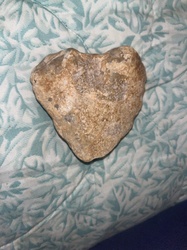
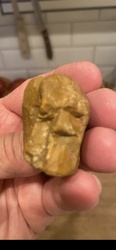
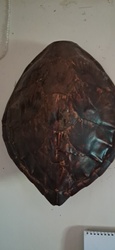
Submitted item photo
Submitted photo · June 4, 2026

User's notes

Borro wood

AI analysis below

AI appraisal

AI analysis & estimate

AI-Generated · Verify before acting

Everything below is generated by AI for informational purposes only. AI can make mistakes — the AI may misidentify items or misattribute them (artist, maker, brand, designer, origin, era). This is not an official valuation and should not be used for insurance, sale, tax, estate, legal, or lending purposes — or any decision requiring a certified appraisal. It is not an authoritative claim about any person, brand, or rights holder — do not share or rely on it as a factual statement about a third party. Always consult qualified professionals before making financial decisions.

Note

This analysis also relies on unverified notes provided by the user, which may be incomplete or inaccurate and could affect the result.

Read the full disclaimer

AI Identification

·Not independently authenticated·Verify before acting

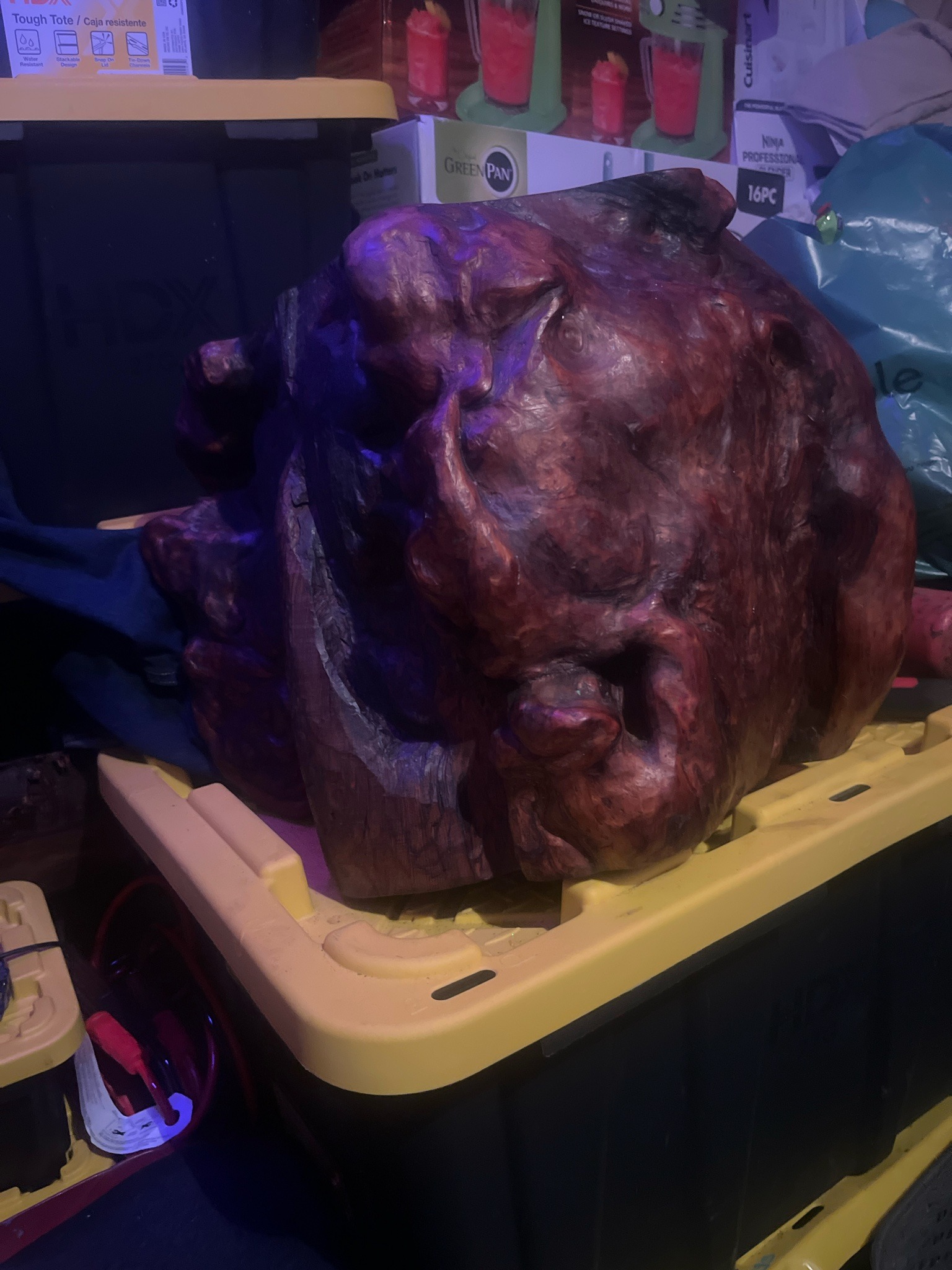
Polished Natural Wood Burl Sculpture

Fine Woodworking & Natural Curiosities

AI Estimated Value

·Not an official valuation·Verify before acting

$450 - $650

As of June 4, 2026

AI Item Analysis

·AI can make mistakes·Verify before acting
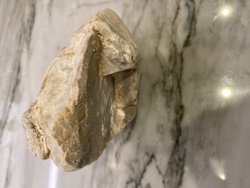
This is a substantial, naturally-occurring wood burl specimen, identified by the user as Borro wood, which has been hand-worked and polished into a decorative organic sculpture. The piece exhibits a rich, deep reddish-brown and mahogany color palette with complex, swirling grain patterns characteristic of burl growths. Its physical form is highly irregular and bulbous, featuring numerous protrusions, nodules, and internal cavities that create a dynamic interplay of light and shadow. The surface has been refined with a glossy finish, likely a hand-rubbed oil or lacquer, which enhances the depth of the iridescent 'chatoyancy' in the wood fibers. Notable features include a prominent central ridge that descends into a natural void or fissure, adding significant textural contrast between the smooth outer surfaces and the more rugged interior recesses. The craftsmanship involves careful removal of bark and stabilization of the wood, likely dating from the mid-to-late 20th century, a period when natural-edge and organic-form woodwork became highly collectible. In terms of condition, the piece shows a well-developed patina with some minor abrasions and dust accumulation consistent with long-term storage. There are some visible natural checking or drying cracks, which are expected in large-format wood specimens of this density, but no signs of significant post-production damage or structural repairs. The item sits on a flat-milled base, indicating it was intended for table-top or pedestal display.
AI Appraisal Report

·AI can make mistakes·Verify before acting
Based on my visual examination of this polished Borro wood burl sculpture, I have assessed it as a high-quality example of mid-to-late 20th-century organic-form woodworking. The piece exhibits exceptional chatoyancy and complex grain architecture typical of dense burl growths. The condition appears to be very good; natural checking and drying cracks are present, which are characteristic of large-format wood specimens and generally do not detract from the value unless they threaten structural integrity. The glossy finish effectively highlights the internal iridescent chatoyancy, suggesting professional-grade stabilization and polishing. The market for 'Natural Curiosities' remains steady, with high demand for pieces that serve as a bridge between fine art and organic interiors. Comparables for hand-polished burl sculptures of this scale and material density typically range between $400 and $800 at auction and specialty galleries. The use of Borro wood, known for its hardness and rich reddish-brown tones, adds a layer of rarity, as it is less common than walnut or redwood burls. Value is significantly impacted by the scale/weight and the 'viewing angles'—this piece offers a successful 360-degree aesthetic. However, a primary limitation is the inability to examine the base for possible maker's marks or signatures through images alone. Authenticity of the wood species and the era of the finish cannot be definitively verified without physical inspection. For a full authentication, I would require in-person examination to check for structural repairs masked by the lacquer, provenance documentation from the original acquisition, and tactile verification of the finish type to distinguish between period-correct oil and modern synthetic coatings.

Get your items appraised

Instant estimates of your treasures with AI-powered appraisals

Browse More Appraisals