AI identification & appraisal estimate

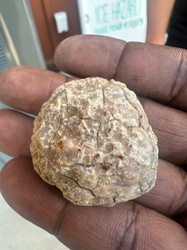
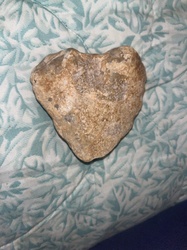
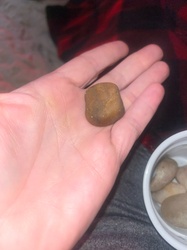
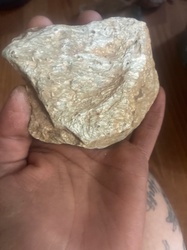
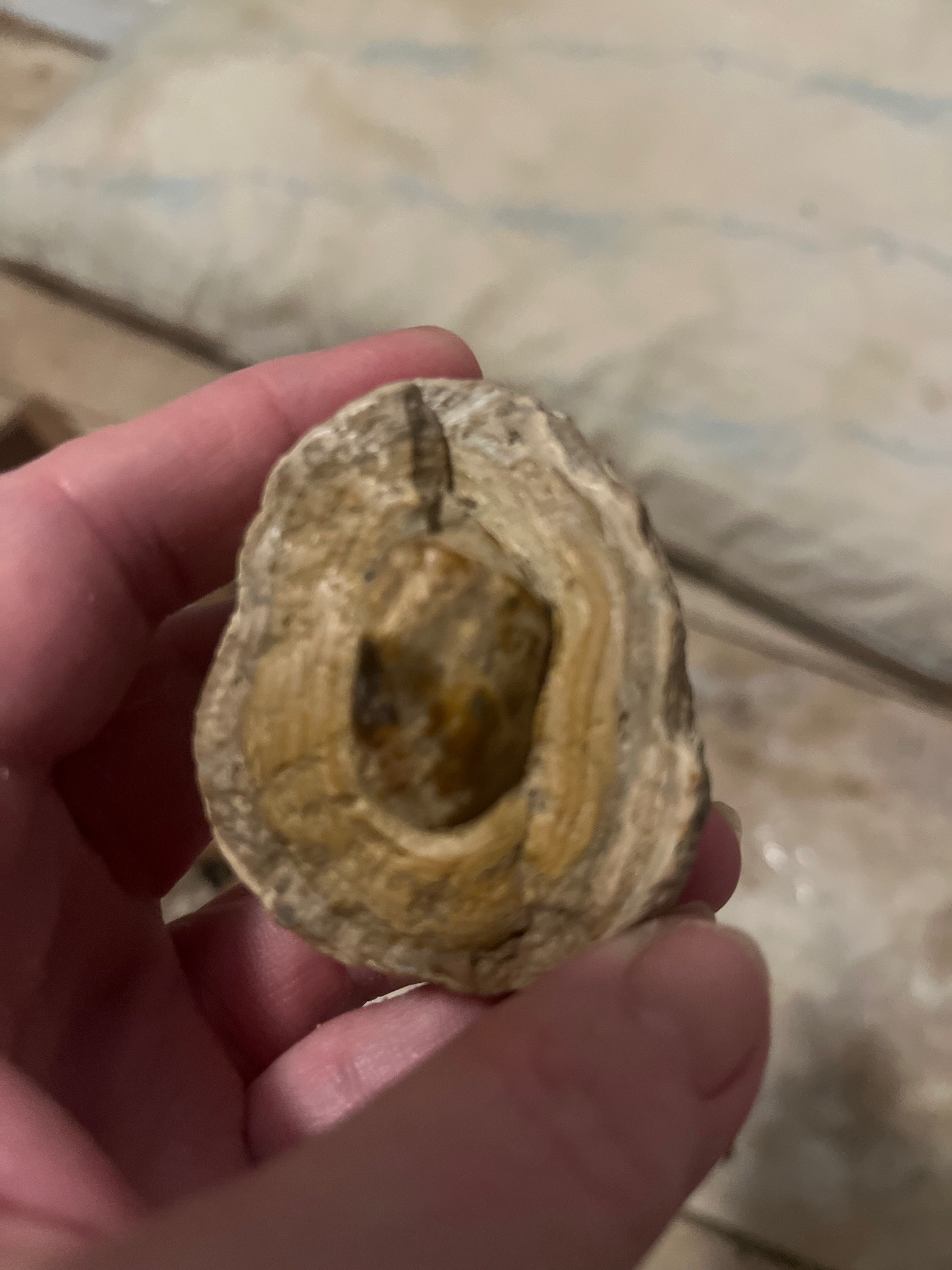
Agate geode or concretion-style geological specimen

Submitted photo of Agate geode or concretion-style geological specimen
Photo submitted by the user — not generated by AI

AI Estimated Value

Not an official valuation

$15 - $40

AI estimate as of July 7, 2026 · verify with a professional before acting

AI-Generated · Verify before acting

Everything on this page is generated by AI for informational purposes only. AI can make mistakes — the AI may misidentify items or misattribute them (artist, maker, brand, designer, origin, era). This is not an official valuation and should not be used for insurance, sale, tax, estate, legal, or lending purposes — or any decision requiring a certified appraisal. It is not an authoritative claim about any person, brand, or rights holder — do not share or rely on it as a factual statement about a third party. Always consult qualified professionals before making financial decisions.

Read the full disclaimer

AI Item Analysis

This object is a small, hand-sized geological specimen that appears to be a section of a nodule, concretion, or a mineral-filled geode. The item exhibits distinct concentric banding consistent with chalcedony or agate formations, transitioning from an outer earthy, tan-grey matrix to inner layers of yellowish-ochre and cream tones. At the center is a darker, amber-colored crystalline or vitrified core that is somewhat pointed in shape. The exterior surface appears rough and weathered, typical of mineral specimens found in situ or through excavation. There are no visible maker's marks, inscriptions, or identifying labels, which is expected for a natural object. The item displays physical characteristics consistent with various geological processes, potentially representing a silica-rich replacement of organic material or a rhythmic mineral deposit. Condition-wise, the specimen shows a raw, unpolished cross-section with minor chipping and surface abrasions along the edges. Identification is based entirely on visual observation of mineralogical patterns as no scientific testing or provenance documentation was provided.

AI Appraisal Report

Based on my visual examination of the provided image, this specimen appears to be a natural agate nodule or a silica-based concretion. I can observe characteristic concentric banding and a crystalline core, which are common in specimens such as 'Thunder Eggs' or common agates. However, I cannot verify the specific mineral composition or geographic origin from a photograph alone; scientific testing like a Mohs hardness test or specific gravity analysis would be required to rule out resin-based reproductions or less common mineral replacements. The value estimate of $15 to $40 is based on the assumption that this is a natural geological specimen of modest size with a raw, unpolished finish. Specimens of this type are widely available on the secondary market. The current value is limited by the lack of a polished face, which usually enhances the visual appeal and marketability for collectors. The condition, showing minor chips and a weathered exterior, is consistent with a field-collected piece rather than a museum-grade sample. In the general market for lapidary rough and natural curiosities, demand is steady but prices remain low for unattributed, unpolished nodules without documented provenance from a noted locality (such as the Dryhead or Lake Superior regions). If this item were to be identified through professional geological testing as a rare fossil replacement or a specific high-demand agate variety, the value could increase. conversely, if it is a common stone found in high-abundance areas, the value would likely sit at the lower end of the range. Physical inspection by a mineralogist is recommended to confirm its natural origin and specific classification.

Keep exploring

More geological specimens appraisals

Get your items appraised

Instant AI-powered appraisal estimates from a photo

Browse More Appraisals