AI Appraisal Estimate

AI-generated estimates · not official valuations

From the user

What was submitted

Photo and notes provided by the user — not generated by AI

Submitted item photo
Submitted photo · June 19, 2026

User's notes

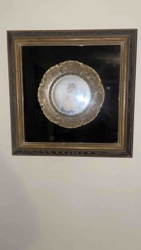
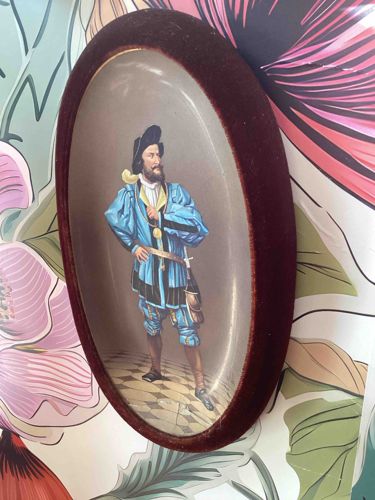
Hand painted 1800s velvet on the outside

AI analysis below

AI appraisal

AI analysis & estimate

AI-Generated · Verify before acting

Everything below is generated by AI for informational purposes only. AI can make mistakes — the AI may misidentify items or misattribute them (artist, maker, brand, designer, origin, era). This is not an official valuation and should not be used for insurance, sale, tax, estate, legal, or lending purposes — or any decision requiring a certified appraisal. It is not an authoritative claim about any person, brand, or rights holder — do not share or rely on it as a factual statement about a third party. Always consult qualified professionals before making financial decisions.

Note

This analysis also relies on unverified notes provided by the user, which may be incomplete or inaccurate and could affect the result.

Read the full disclaimer

AI Identification

·Not independently authenticated·Verify before acting

19th Century Hand-Painted Oval Porcelain Plaque featuring a Renaissance Cavalier

Antique Fine Art & Decorative Porcelain

AI Estimated Value

·Not an official valuation·Verify before acting

$450 - $700

As of June 19, 2026

AI Item Analysis

·AI can make mistakes·Verify before acting
This is an antique 19th-century oval porcelain plaque, meticulously hand-painted with a figure of a Renaissance-style cavalier or nobleman. The subject is depicted in a full-length pose wearing vibrant cerulean blue doublet and puffed breeches with black vertical stripes, a white ruff collar, a plumed hat, and yellow/gold accents on his chest. He stands atop a checkered black-and-white tiled floor against a neutral gradient background. The plaque is encased in a deep mahogany-colored velvet-covered convex frame, which provides a high-relief, three-dimensional shadowbox effect. The item displays craftsmanship typical of the Victorian era's fascination with historical revivalism. The painting shows fine detail in the facial features and textile texture. The velvet show signs of age-appropriate attic wear with minor lint and surface flattening, while the porcelain surface appears smooth with minimal crazing. The framing construction used during the 1800s for such domestic decor often involved a wooden or plaster base under the textile. No visible maker's marks or signatures are apparent in the provided view, but the overall aesthetic suggests a European origin, likely French or German (KPM-style), given the high quality of the enamel work.

AI Appraisal Report

·AI can make mistakes·Verify before acting
I have conducted a visual inspection of this 19th-century oval porcelain plaque. The piece exhibits the fine enamel work and historical revivalism characteristic of European porcelain centers, such as Dresden or Limoges. The hand-painted detail on the cavalier’s doublet and the execution of the checkered floor demonstrate high-level craftsmanship. The condition of the porcelain appears excellent with no visible cracks, while the velvet shadowbox frame shows authentic age-related wear, which confirms its Victorian-era provenance. Currently, the market for 19th-century 'Old Master' style porcelain remains steady among collectors of 'Grand Tour' memorabilia and period decor. While unsigned, the quality of the brushwork elevates it above common mass-produced transfers of the era. The primary factor limiting the value is the lack of a visible maker's mark (such as the KPM scepter or a Sevres mark), which would otherwise place the value in the thousands. This appraisal is based on digital images and carries inherent limitations. To definitively confirm the origin and value, I would need to remove the porcelain from the velvet mounting to inspect the reverse for incised factory marks or signatures. Furthermore, a physical inspection under blacklight (UV) would be necessary to identify any professional restoration to the enamel that is not visible to the naked eye. Provenance documentation, such as original shop labels or family records, would further solidify its place in the decorative arts market.

Get your items appraised

Instant estimates of your treasures with AI-powered appraisals

Browse More Appraisals