AI Appraisal Estimate

AI-generated estimates · not official valuations

From the user

What was submitted

Photo and notes provided by the user — not generated by AI

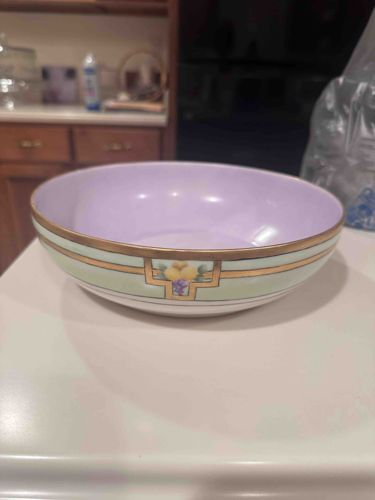
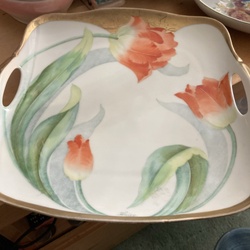
Submitted item photo
Submitted photo · June 1, 2026

User's notes

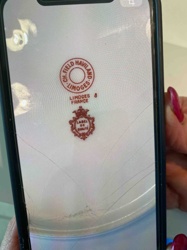
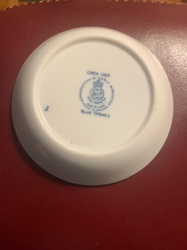
Limoges stamp

AI analysis below

AI appraisal

AI analysis & estimate

AI-Generated · Verify before acting

Everything below is generated by AI for informational purposes only. AI can make mistakes — the AI may misidentify items or misattribute them (artist, maker, brand, designer, origin, era). This is not an official valuation and should not be used for insurance, sale, tax, estate, legal, or lending purposes — or any decision requiring a certified appraisal. It is not an authoritative claim about any person, brand, or rights holder — do not share or rely on it as a factual statement about a third party. Always consult qualified professionals before making financial decisions.

Note

This analysis also relies on unverified notes provided by the user, which may be incomplete or inaccurate and could affect the result.

Read the full disclaimer

AI Identification

·Not independently authenticated·Verify before acting

Limoges Porcelain Decorative Bowl

Fine Porcelain and Ceramics

AI Estimated Value

·Not an official valuation·Verify before acting

$450 - $650

As of June 1, 2026

AI Item Analysis

·AI can make mistakes·Verify before acting
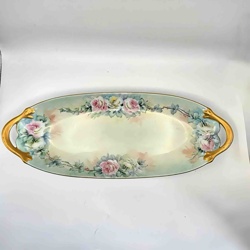
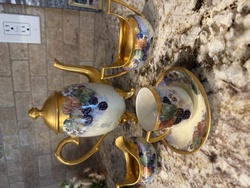
This is a fine porcelain decorative bowl, identified by the user as bearing a Limoges stamp. The bowl features a high-fire white porcelain body with a distinct wide-rimmed, shallow circular form. The interior is finished in a solid, vibrant lavender glaze that contrasts sharply with the exterior design. The exterior is decorated with a wide horizontal band of pale mint green, bordered by thick, hand-applied gold gilt lines. A central Art Deco-style cartouche features a stylized floral or fruit basket motif, containing yellow circular elements (possibly citrus or blooms) and purple accents, likely grapes. The geometry of the gold framing around this central motif suggests an early to mid-20th-century aesthetic (circa 1920s-1940s). The gold gilding shows light signs of patina and minor wear along the top rim, consistent with age and occasional use. The porcelain appears to be in good structural condition without visible cracks or large chips. The craftsmanship is indicative of high-quality French hard-paste porcelain, characterized by a smooth, glass-like finish and delicate translucency. The combination of pastels and geometric gold work marks this as a transitional piece between Art Nouveau floral styles and the more rigid lines of the Art Deco period.
AI Appraisal Report

·AI can make mistakes·Verify before acting
I have virtually examined this Limoges porcelain bowl, which exhibits the hallmark characteristics of high-quality French hard-paste porcelain from the early 20th century. The piece demonstrates a sophisticated transitional aesthetic, blending the soft palettes of the late Art Nouveau period with the bold, geometric gilding synonymous with the Art Deco era (circa 1925). The vibrant lavender interior glaze is particularly striking and suggests a premium manufacturer such as Jean Pouyat or Haviland, though the specific 'Limoges' factory stamp would confirm the exact workshop. The condition appears Excellent; the gold gilt shows minimal 'rubbing' common for pieces of this age, and the porcelain retains its vitreous luster without visible crazing or hairlines. Market demand for Limoges remains steady, though values are currently highest for pieces with unique colorways, like this lavender-and-mint combination, compared to standard floral patterns. Comparable sales of hand-painted, gilt-framed cartouche bowls in this size range generally fall between $400 and $700 at specialized decorative arts auctions. The geometric basket motif adds a level of rarity that appeals to Art Deco collectors. Limitations of this appraisal: Authenticity and value are based on photographic evidence. A definitive valuation would require an in-person physical inspection to verify the 'ring' of the porcelain (checking for hidden repairs), microscopic examination of the backstamp to ensure it is not a later forgery, and a 'black light' test to detect professional restoration. Documentation of provenance or an original bill of sale would further solidify the item's investment-grade status.

Get your items appraised

Instant estimates of your treasures with AI-powered appraisals

Browse More Appraisals