Ashanti Akua'ba Fertility Doll Figure
African Tribal Art

Ashanti Akua'ba Fertility Doll Figure

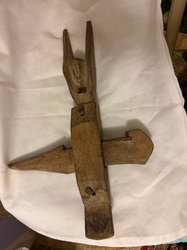
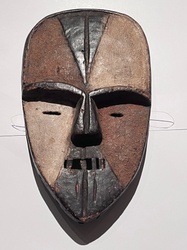
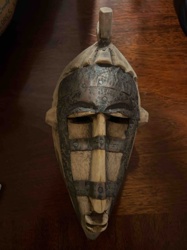
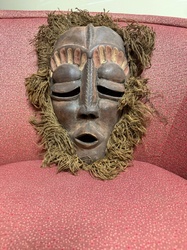
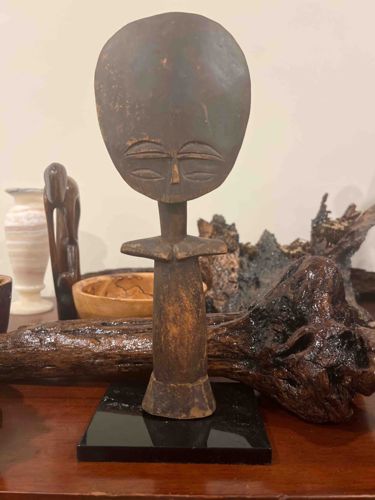
This is a hand-carved wooden sculptural figure known as an Akua'ba, originating from the Ashanti (Asante) people of Ghana. The figure is characterized by its prominent, oversized discoid head which represents beauty and intelligence in Ashanti culture. It features a long, ringed neck symbolizing wealth and health, a slender columnar body with small horizontal projecting arms, and a flared base. The face is carved with minimalist features, including high-arched brows, almond-shaped eyes, and a small, narrow nose. The wood displays a dark, aged patina with a rich brown luster, indicating a significant age, likely mid-20th century. Notably, the surface shows signs of authentic wear, including small abrasions and softening of carver's marks consistent with handling. There are no visible maker's marks, which is typical for such communal and ritualistic items. The craftsmanship exhibits steady hand-carving techniques, with a slight asymmetry that highlights its organic, handcrafted origin. The figure is mounted on a modern black rectangular display base, suggesting it has been part of a private or gallery collection.

Estimated Value

$450 - $700

Basic Information

Category

African Tribal Art

Appraised On

February 6, 2026

Estimated Value

$450 - $700

Item Description

This is a hand-carved wooden sculptural figure known as an Akua'ba, originating from the Ashanti (Asante) people of Ghana. The figure is characterized by its prominent, oversized discoid head which represents beauty and intelligence in Ashanti culture. It features a long, ringed neck symbolizing wealth and health, a slender columnar body with small horizontal projecting arms, and a flared base. The face is carved with minimalist features, including high-arched brows, almond-shaped eyes, and a small, narrow nose. The wood displays a dark, aged patina with a rich brown luster, indicating a significant age, likely mid-20th century. Notably, the surface shows signs of authentic wear, including small abrasions and softening of carver's marks consistent with handling. There are no visible maker's marks, which is typical for such communal and ritualistic items. The craftsmanship exhibits steady hand-carving techniques, with a slight asymmetry that highlights its organic, handcrafted origin. The figure is mounted on a modern black rectangular display base, suggesting it has been part of a private or gallery collection.
Get Your Items Appraised

Instant estimates of your treasures with AI-powered instant appraisals

Browse More Appraisals