AI identification & appraisal estimate

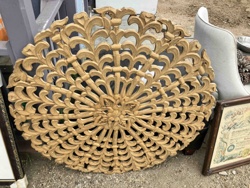
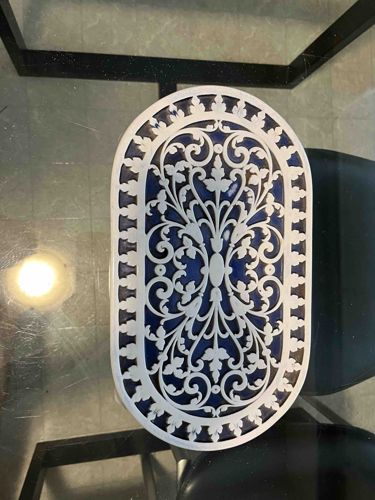
Oval Decorative Relief Panel with Acanthus and Foliate Designs

Submitted photo of Oval Decorative Relief Panel with Acanthus and Foliate Designs
Photo submitted by the user — not generated by AI

AI Estimated Value

Not an official valuation

$600-1,200

AI estimate as of August 9, 2025 · verify with a professional before acting

AI-Generated · Verify before acting

Everything on this page is generated by AI for informational purposes only. AI can make mistakes — the AI may misidentify items or misattribute them (artist, maker, brand, designer, origin, era). This is not an official valuation and should not be used for insurance, sale, tax, estate, legal, or lending purposes — or any decision requiring a certified appraisal. It is not an authoritative claim about any person, brand, or rights holder — do not share or rely on it as a factual statement about a third party. Always consult qualified professionals before making financial decisions.

Read the full disclaimer

AI Item Analysis

This exquisite item appears to be an ornamental relief panel, possibly a decorative wall plaque or an architectural element. It features a distinctive oval shape with a raised, intricately carved or cast design in white, set against a contrasting deep blue background. The white motif is highly ornate, characterized by symmetrical acanthus leaves and scrolling foliate patterns, typical of Baroque or Neoclassical styles. The central part of the design includes a prominent, elongated oval or cartouche-like element, flanked by detailed organic forms. A border, also in white, frames the central design, featuring a repetitive, stylized leaf or palmette pattern that complements the main motif. The materials appear to be either carved stone (such as marble or alabaster) for the white foreground and perhaps a colored stone inlay or a painted surface for the blue background, or it could be a composite material like plaster, resin, or ceramic. The precise craftsmanship suggests a high level of detail, with clean lines and defined edges in the white relief. The overall condition appears excellent, with no visible chips, cracks, or significant wear. The contrast between the brilliant white and the dark blue is striking and enhances the visual depth of the piece. There are no discernible maker’s marks or signatures visible from the provided image. The design's intricacy and classical elements suggest it could be from the 19th or early 20th century, or a more contemporary piece created in a historically inspired style. Its quality indicates it was likely intended for a formal interior setting.
AI Appraisal Report

Upon visual examination of the provided image, this Oval Decorative Relief Panel with Acanthus and Foliate Designs presents as a highly appealing decorative element. The condition appears to be excellent, with no visible chips, cracks, or significant wear. The crispness of the white relief against the deep blue background is striking and suggests either high-quality craftsmanship in materials like plaster, resin, or ceramic, possibly even carved marble or alabaster with a painted or inlaid background. Authenticity of the material cannot be definitively confirmed from images alone; an in-person examination would be crucial to determine if it is carved stone, a composite material, or highly detailed plasterwork. The intricate design points towards a potential age from the 19th or early 20th century in a Neoclassical or Baroque revival style, although it could also be a well-executed contemporary piece inspired by these periods. Without provenance documentation or scientific testing of the materials, precise dating and attribution are impossible. In terms of market conditions, decorative relief panels of this aesthetic typically appeal to collectors and interior designers seeking classical or historically-inspired elements. Comparables in the market for decorative wall plaques and architectural elements show demand for well-preserved, ornate pieces. Pieces crafted from genuine stone would command a significantly higher value than those made from plaster or resin. Its visual appeal and excellent apparent condition contribute positively to its marketability. Rarity is difficult to assess without knowing the origin and production numbers; however, individual pieces like this often have unique appeal. Factors significantly impacting value include the actual material composition (stone vs. composite), the age, the artist or manufacturer (if known), and verifiable provenance. For full authentication and accurate valuation, I would require a physical inspection to assess the material properties, detect any hidden repairs, and examine for maker's marks not visible in the image. Scientific analysis of the materials could clarify its age and composition, while provenance documentation would establish its history and origin.

Keep exploring

More decorative art / wall decor / architectural element appraisals

Get your items appraised

Instant AI-powered appraisal estimates from a photo

Browse More Appraisals