AI identification & appraisal estimate

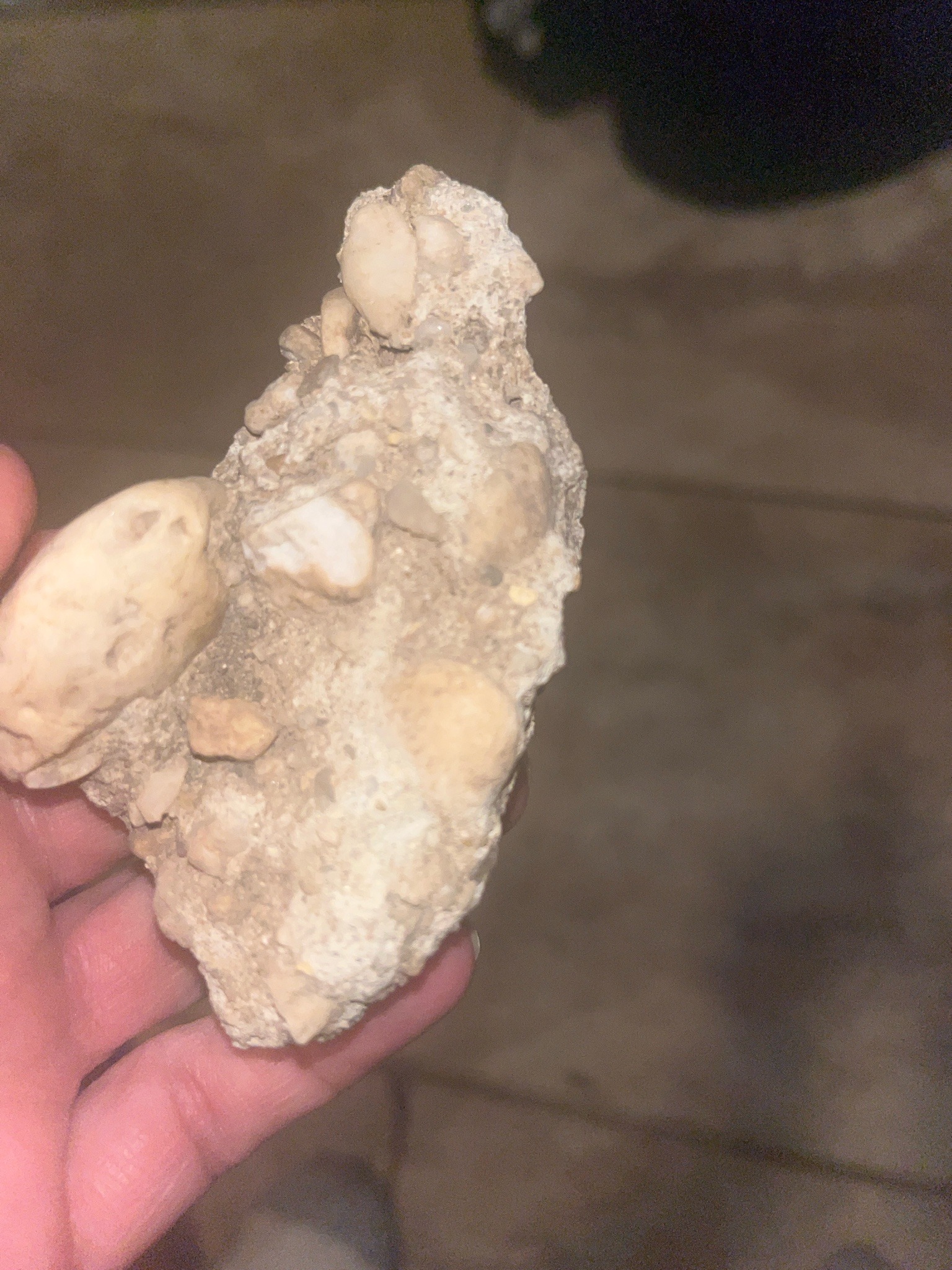
Specimen consistent with sedimentary conglomerate or breccia rock

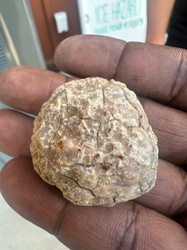
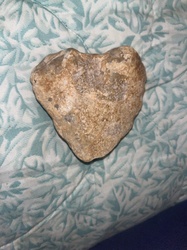
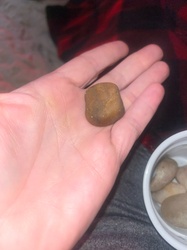
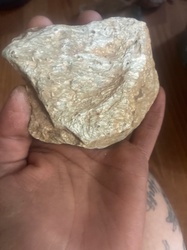
Submitted photo of Specimen consistent with sedimentary conglomerate or breccia rock
Photo submitted by the user — not generated by AI

AI Estimated Value

Not an official valuation

$15—$40

AI estimate as of July 7, 2026 · verify with a professional before acting

AI-Generated · Verify before acting

Everything on this page is generated by AI for informational purposes only. AI can make mistakes — the AI may misidentify items or misattribute them (artist, maker, brand, designer, origin, era). This is not an official valuation and should not be used for insurance, sale, tax, estate, legal, or lending purposes — or any decision requiring a certified appraisal. It is not an authoritative claim about any person, brand, or rights holder — do not share or rely on it as a factual statement about a third party. Always consult qualified professionals before making financial decisions.

Read the full disclaimer

AI Item Analysis

This item appears to be a geological specimen, stylistically consistent with a sedimentary rock formation such as a conglomerate or breccia. The object measures approximately the size of a human palm and exhibits a multi-tonal beige, tan, and off-white color palette. It features a clastic texture characterized by several large, rounded to semi-angular clasts (smaller rock fragments or pebbles) embedded within a finer-grained matrix of sandy or silty material. One prominent light-colored clast on the left side shows surface pitting or weathered indentations. The composition suggests a natural cementation process typical of sedimentary deposits. There are no visible maker's marks, inscriptions, or artificial labeling on the surface, which is frequent for natural geological finds. The edges appear rough and jagged, indicating a fragment that was likely broken off from a larger outcrop or riverbed deposit. Physical inspection would be required to determine the exact mineral composition or hardness of the embedded fragments. This identification is based on visual morphological features common to naturally occurring lithified sediments.

AI Appraisal Report

Based on the image provided, I have examined this specimen which appears consistent with a naturally occurring conglomerate or breccia sedimentary rock. This attribution is treated as a hypothesis, as I cannot determine the exact mineral composition, hardness, or specific lithification process without physical inspection and potential geological testing. What can be seen is a clastic texture with multi-tonal beige and tan clasts embedded in a finer matrix, features typical of common lithified sediments. I cannot verify from a photo if the piece possesses any rare inclusions or unique fossilized elements that might significantly alter its value. The value estimate of $15—$40 is based on the assumption that this is a common geological find of decorative or educational interest. Natural specimens of this type are widely available on the market, and demand is generally driven by size, aesthetic appeal, and the presence of specific identifiable minerals. If this piece were to be identified through scientific analysis as containing rare minerals or being part of a historically significant geological formation, its value could increase. Conversely, if it is merely a fragment of common modern concrete or construction debris 'in the style of' a natural rock, it would hold negligible monetary value. To confirm the nature of this item, an in-person examination by a geologist and potentially a streak test or acid test would be required. The current market for unprovenanced geological fragments is stable but modest, with most value derived from the item's utility as a teaching tool or decorative object rather than its rarity.

Keep exploring

More geological specimens appraisals

Get your items appraised

Instant AI-powered appraisal estimates from a photo

Browse More Appraisals