AI Appraisal Estimate

AI-generated estimates · not official valuations

From the user

What was submitted

Photo and notes provided by the user — not generated by AI

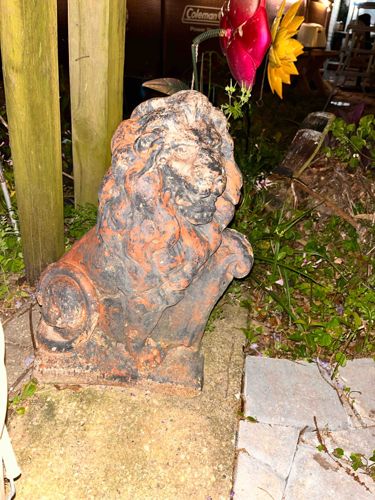
Submitted item photo
Submitted photo · June 19, 2026

User's notes

No additional notes provided.

AI analysis below

AI appraisal

AI analysis & estimate

AI-Generated · Verify before acting

Everything below is generated by AI for informational purposes only. AI can make mistakes — the AI may misidentify items or misattribute them (artist, maker, brand, designer, origin, era). This is not an official valuation and should not be used for insurance, sale, tax, estate, legal, or lending purposes — or any decision requiring a certified appraisal. It is not an authoritative claim about any person, brand, or rights holder — do not share or rely on it as a factual statement about a third party. Always consult qualified professionals before making financial decisions.

Read the full disclaimer

AI Identification

·Not independently authenticated·Verify before acting

Weathered Cast Iron Lion Prow Sculpture

Garden Ornaments & Architectural Antiques

AI Estimated Value

·Not an official valuation·Verify before acting

$450 - $700

As of June 19, 2026

AI Item Analysis

·AI can make mistakes·Verify before acting
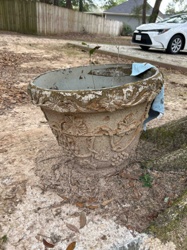
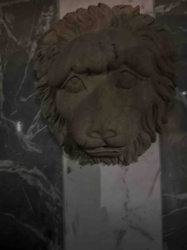
This is a heavy, cast iron garden sculpture depicting a male lion in a dynamic, forward-leaning prow or bust-style pose. The piece exhibits significant physical characteristics of traditional metal casting, including deep, scrolled textures in the mane and a defined facial structure. It appears to be constructed from solid or thick-walled cast iron, evidenced by the extensive orange-red oxidation and rust blooming across the surface, mixed with remnants of a dark black or charcoal-colored finish. The sculpture sits on an integral rectangular plinth. Notable features include the neoclassical styling with a scrolled base, suggesting it may have originally been a gate-post finial or a architectural element. The condition is heavily weathered, consistent with long-term outdoor exposure; there is a thick patina of rust, some pitting, and loss of original paint, which adds to its antique character. While no clear maker's marks are visible due to the corrosion, the style is reminiscent of 19th or early 20th-century American or European foundry work. The craftsmanship is high, with expressive detailing in the leonine features and flowing mane, which provides a sense of movement. Its unusual 'half-body' design indicates it was meant to be mounted against a flat surface or as a decorative structural terminal.
AI Appraisal Report

·AI can make mistakes·Verify before acting
Upon examining this Weathered Cast Iron Lion Prow Sculpture, I find a compelling example of late 19th to early 20th-century architectural ornamentation. The most striking feature is the authentic, extensive oxidation; the deep orange-red rust blooming mixed with the remnants of the original charcoal finish suggests decades of true outdoor exposure, rather than an artificially induced patina often seen on modern reproductions. The casting quality appears robust, with deep relief in the scrolled mane and distinct facial musculature, indicative of competent foundry work typical of the Victorian or Edwardian eras. The 'prow' or bust-style form, emerging from scrolled foliage, suggests it was likely a fence post finial, a newel post topper, or perhaps a decorative bracket for a heavy architectural cornice. The market for antique garden statuary remains steady, particularly for heavy cast iron pieces that have survived with their structure intact. Comparables for single architectural finials of this size and subject matter—specifically lions, which are perpetually popular—generally trade in the mid-hundreds. A matched pair would significantly increase the value, potentially tripling the single-item price. The heavy weathering is a double-edged sword: while it confirms age, the pitting and loss of definition in the finer details slightly cap its ceiling compared to a piece with a preserved 'crisp' surface. It is important to note that without a physical inspection, I cannot confirm the specific foundry (e.g., Fiske, Mott) as maker's marks are likely obscured by corrosion. To fully authenticate and potentially increase the valuation, I would need to perform a magnet test to confirm material density, check the underside for mounting remnants, and possibly gently clean the base to reveal any stamped identifiers. In its current state, it is a highly decorative, authentic architectural antique.

Get your items appraised

Instant estimates of your treasures with AI-powered appraisals

Browse More Appraisals