AI identification & appraisal estimate

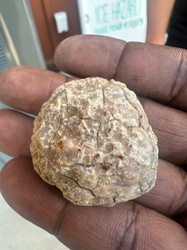
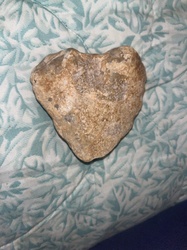
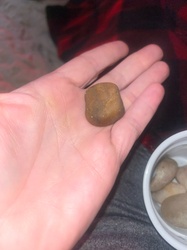
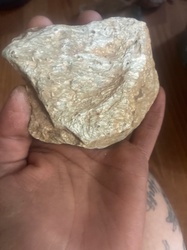
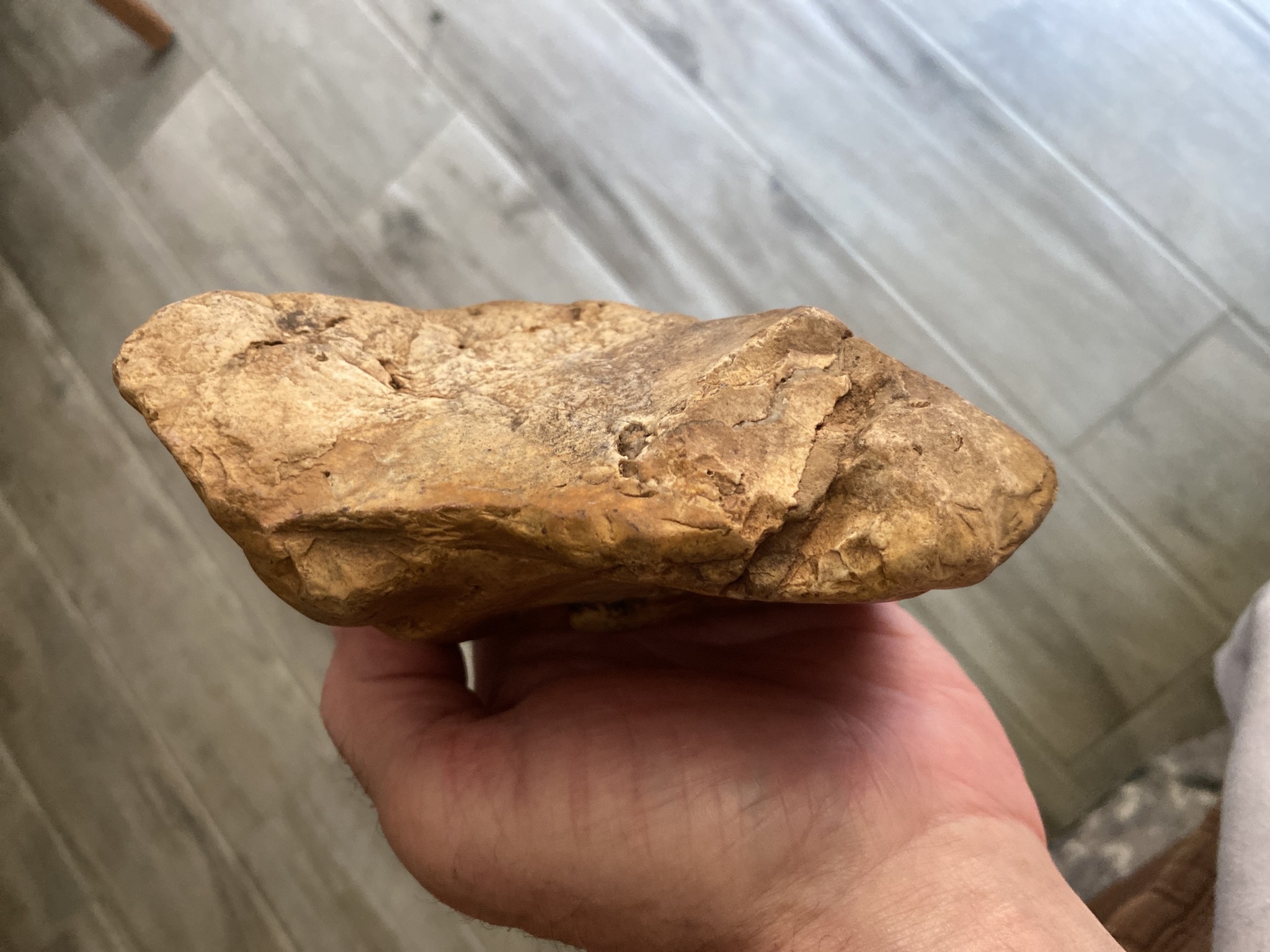
Stone object resembling a biface tool (unauthenticated)

Submitted photo of Stone object resembling a biface tool (unauthenticated)
Photo submitted by the user — not generated by AI

User's notes

Found this prehistoric chert bi face hand axe scraper portable rock art on our Guthrie, OK property. This appears to be from the Lower Paleolithic period based on the evidence at hand. It measures 6" x 4" and weighs 2 pounds

These notes were written by the person who submitted this item. Appraiser.AI has not verified them, and the AI's identification and estimate may rely on them.

AI Estimated Value

Not an official valuation

$50–$150

AI estimate as of August 23, 2026 · verify with a professional before acting

AI-Generated · Verify before acting

Everything on this page is generated by AI for informational purposes only. AI can make mistakes — the AI may misidentify items or misattribute them (artist, maker, brand, designer, origin, era). This is not an official valuation and should not be used for insurance, sale, tax, estate, legal, or lending purposes — or any decision requiring a certified appraisal. It is not an authoritative claim about any person, brand, or rights holder — do not share or rely on it as a factual statement about a third party. Always consult qualified professionals before making financial decisions.

This analysis also relies on unverified notes provided by the user, which may be incomplete or inaccurate and could affect the result.

Read the full disclaimer

AI Item Analysis

This item is a brownish, earthy-toned rock or stone object held in an open hand against a light-colored wood-look tile floor. The object exhibits irregular, natural-looking contours and rough surfaces with various tones of tan, ochre, and brown. The owner identifies this as a prehistoric chert biface hand axe, scraper, or portable rock art found on a property in Guthrie, Oklahoma, and suggests it dates from the Lower Paleolithic period based on unverified evidence. The user-supplied dimensions are approximately six inches by four inches with a weight of two pounds. Visually, the object shows natural geological weathering, crevices, and uneven texturing across its surface without clear, uniform human-made percussion flaking typically associated with worked lithic tools, though rock formations can naturally fracture in ways that mimic tool use. There are no visible maker's marks, stamps, signatures, or inscriptions. The identification as a shaped tool or portable rock art remains a visual hypothesis and is entirely unauthenticated without professional archaeological and geological inspection. The item category is geological specimens and potential artifacts.

AI Appraisal Report

Per user submission, this stone object is identified as a prehistoric chert biface hand axe, scraper, or portable rock art found in Guthrie, Oklahoma, and is suggested to date from the Lower Paleolithic period. Based on what I can see in the photograph, the brownish, earthy-toned rock measures approximately six by four inches and weighs roughly two pounds, showing irregular, natural-looking contours and rough surfaces with tan, ochre, and brown tones. I can't verify from a photo whether the object bears true, human-made percussion flaking or is simply the result of natural geological weathering and fracturing, as rock formations can naturally mimic tool use. A physical inspection by a professional archaeologist or geologist would be needed to confirm material and working evidence. The basis for the value estimate assumes the owner's identification is correct; under that assumption, a surface-find potential prehistoric artifact of this type generally trades in the $50 to $150 range among collectors of casual geological specimens and surface-collected lithics. However, if the item turns out to be a purely natural geofact rather than a worked artifact, the market value drops to nominal geological specimen value, typically under $15. General market demand for unprovenanced surface finds is modest, as serious collectors prioritize pieces with well-documented archaeological contexts. To better understand this piece, one would need in-person physical examination and expert artifact authentication.

Keep exploring

More geological specimens appraisals

Get your items appraised

Instant AI-powered appraisal estimates from a photo

Browse More Appraisals