AI Appraisal Estimate

AI-generated estimates · not official valuations

From the user

What was submitted

Photo and notes provided by the user — not generated by AI

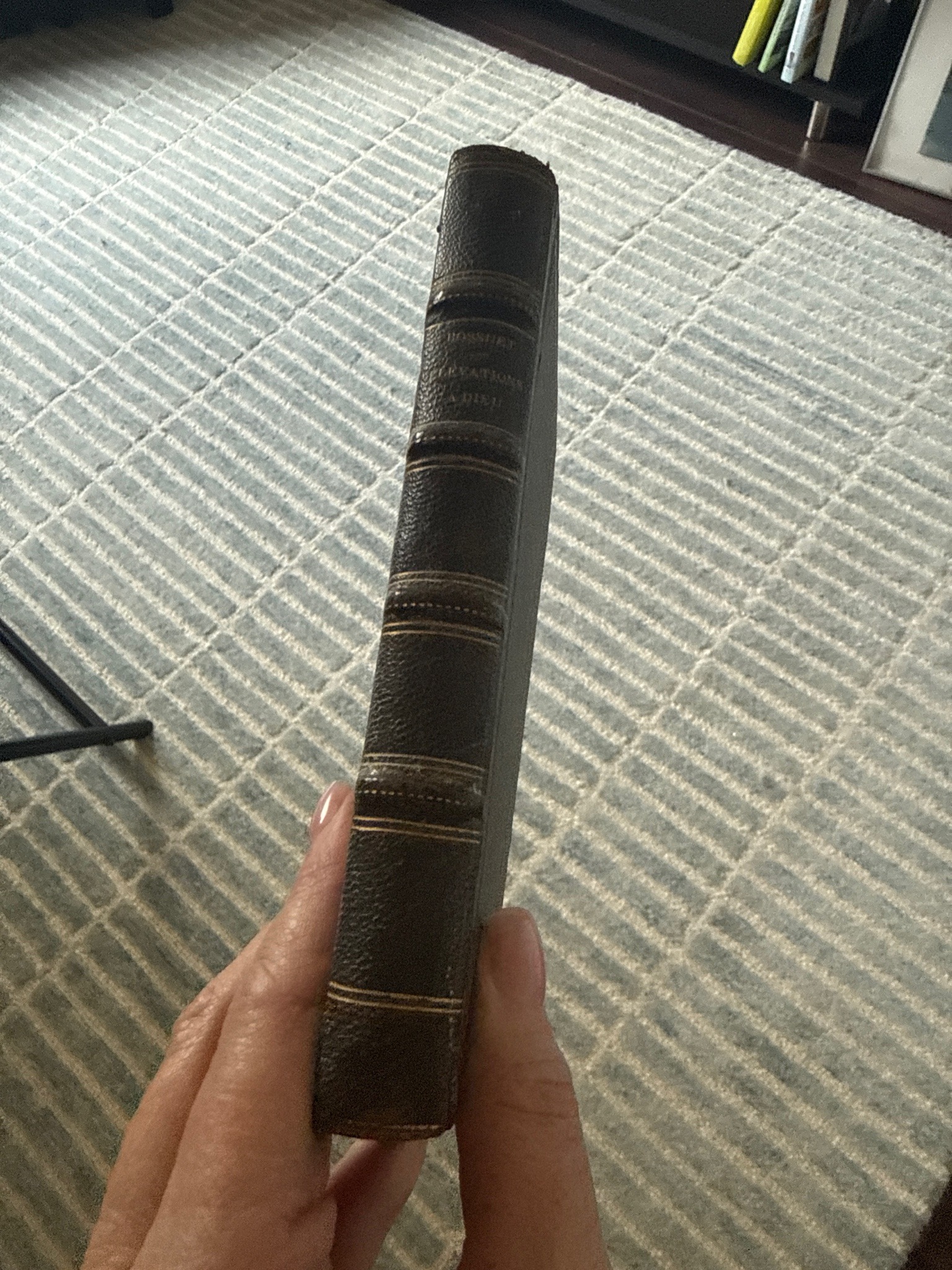
Submitted item photo
Submitted photo · June 26, 2026

User's notes

A LA MEME LIBAIRE BOL PETIT 12 1 fr 60 c

AI analysis below

AI appraisal

AI analysis & estimate

AI-Generated · Verify before acting

Everything below is generated by AI for informational purposes only. AI can make mistakes — the AI may misidentify items or misattribute them (artist, maker, brand, designer, origin, era). This is not an official valuation and should not be used for insurance, sale, tax, estate, legal, or lending purposes — or any decision requiring a certified appraisal. It is not an authoritative claim about any person, brand, or rights holder — do not share or rely on it as a factual statement about a third party. Always consult qualified professionals before making financial decisions.

Note

This analysis also relies on unverified notes provided by the user, which may be incomplete or inaccurate and could affect the result.

Read the full disclaimer

AI Identification

·Not independently authenticated·Verify before acting

Élévations à Dieu by Jacques-Bénigne Bossuet, 19th Century French Binding

Antiquarian Books and Manuscripts

AI Estimated Value

·Not an official valuation·Verify before acting

$40 - $70

As of June 26, 2026

AI Item Analysis

·AI can make mistakes·Verify before acting
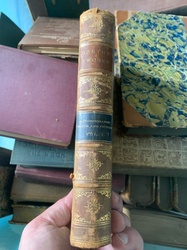
This item is an antique small-format (petit octavo or duodecimo) volume bound in dark brown or black full grained leather, likely crushed morocco or goatskin, dating from the mid-to-late 19th century. The spine features five raised bands with gilt-ruled lines accentuating each band. The second compartment from the top contains the title 'ELEVATIONS A DIEU' and the author 'BOSSUET' in faded gilt lettering. The leather exhibits a distinct pebbled grain texture characteristic of quality period binding. The construction indicates a sewn binding with rounded edges. Condition-wise, the book shows significant signs of age and wear; the leather at the head and foot of the spine is rubbed and chipped, with some loss of material at the top-left crown. The gilding has dulled over time, and there is visible scuffing along the joints and edges of the boards. The text block appears slightly darkened on the edges, consistent with shelf age. The craftsmanship is typical of 19th-century French religious publishing, prioritizing durability and a sober, elegant aesthetic. The provided context suggests it may have been sold through a Parisian or regional French bookseller (libraire) for a historical price of 1 franc 60 centimes.
AI Appraisal Report

·AI can make mistakes·Verify before acting
I have examined the images of this mid-to-late 19th-century volume of Bossuet's 'Élévations à Dieu.' The work is bound in a classic French style, featuring what appears to be a full-grain morocco or fine goatskin. While the 19th-century binding is of respectable quality, the visible wear is significant. I noted chipping at the spine's crown, loss of gilding, and shelf-wear along the joints. These condition issues, common for religious texts of this era intended for daily use, negatively impact the valuation. Jacques-Bénigne Bossuet was a prolific figure, and his works were printed extensively throughout the 1800s; consequently, this specific edition lacks the rarity of a 17th-century first edition or a prestigious provenance. The historical price mention of '1 fr 60 c' confirms its status as a widely accessible trade edition of its time. Current market demand for 19th-century religious reprints is relatively soft, with value primarily driven by the aesthetic of the binding rather than the scarcity of the text. Authenticity appears consistent with late 19th-century French production. However, a definitive assessment of the leather's stability and the integrity of the internal sewing cannot be made from images alone. Further in-person inspection would be required to rule out foxing (spotting) on the internal leaves or acidic damage from the paper used during this industrial era. Full authentication would involve verifying the publisher's imprint and checking for any unique marginalia or owner signatures that could link the volume to a notable figure, which would provide a significant 'provenance' premium.

Get your items appraised

Instant estimates of your treasures with AI-powered appraisals

Browse More Appraisals