AI Appraisal Estimate

AI-generated estimates · not official valuations

From the user

What was submitted

Photo and notes provided by the user — not generated by AI

Submitted item photo
Submitted photo · June 18, 2026

User's notes

No additional notes provided.

AI analysis below

AI appraisal

AI analysis & estimate

AI-Generated · Verify before acting

Everything below is generated by AI for informational purposes only. AI can make mistakes — the AI may misidentify items or misattribute them (artist, maker, brand, designer, origin, era). This is not an official valuation and should not be used for insurance, sale, tax, estate, legal, or lending purposes — or any decision requiring a certified appraisal. It is not an authoritative claim about any person, brand, or rights holder — do not share or rely on it as a factual statement about a third party. Always consult qualified professionals before making financial decisions.

Read the full disclaimer

AI Identification

·Not independently authenticated·Verify before acting

Victorian Era Large Format Family Bible

Antiquarian Books and Manuscripts

AI Estimated Value

·Not an official valuation·Verify before acting

$100 - $175

As of June 18, 2026

AI Item Analysis

·AI can make mistakes·Verify before acting
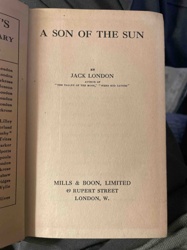
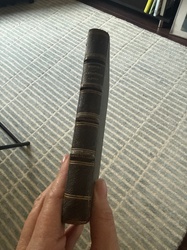
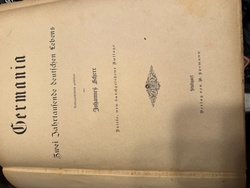
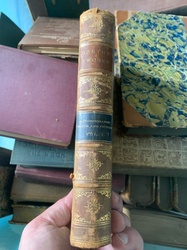
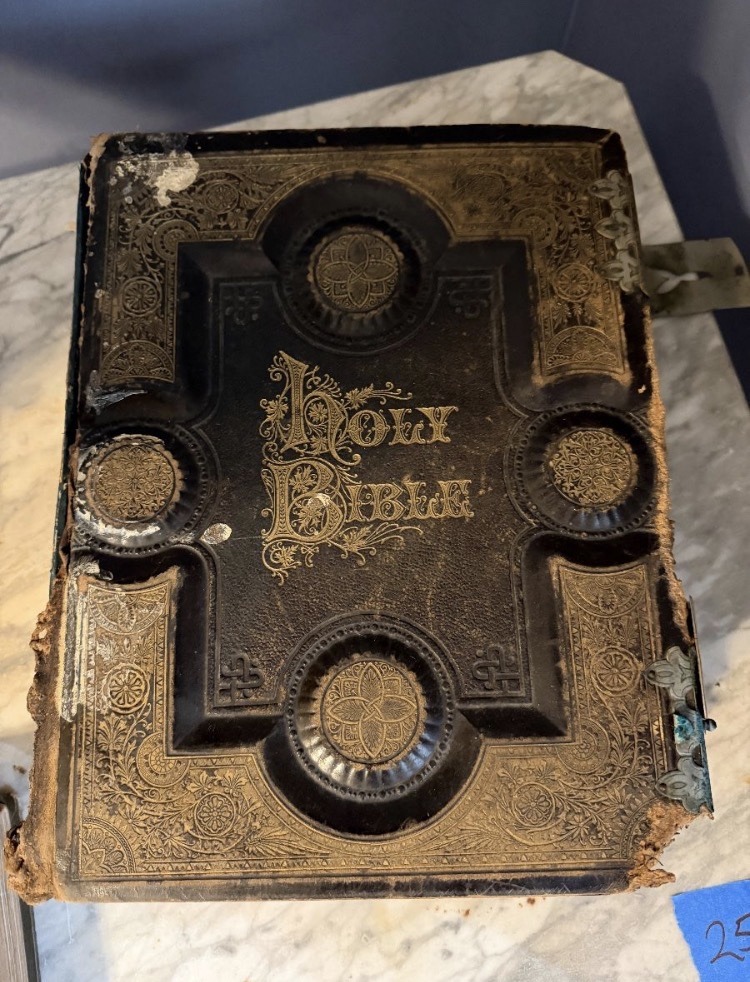
This is a large, heavily embossed Victorian-era family Bible, likely dating between 1870 and 1890. The book features a deep-relief, architectural style binding typical of the period, constructed from thick boards covered in dark leather, possibly morocco or sheepskin. The front cover displays elaborate gilt-stamped ornamentation with a central cross-shaped recessed panel, flanked by four circular medallions containing intricate floral and geometric patterns. The title 'Holy Bible' is prominently displayed in stylized, illuminated-style gold gothic lettering. Metal hardware is visible on the fore-edge, including two ornate brass clasps, though the leather straps that originally connected them appear to be missing or severely damaged. The condition of the item is poor to fair. Significant wear is evident along the spine and corners, with substantial loss of the leather covering, exposing the underlying binder's board at the top and left edges. There is visible surface scuffing, loss of gilding in high-traffic areas, and white residue or mold spots on the left edge. The paper block edges appear darkened with age. These bibles were often designed as showpieces for Victorian parlors and frequently contain genealogical records, though their structural fragility is a common issue due to their immense weight and the use of acidic leather tanning processes.
AI Appraisal Report

·AI can make mistakes·Verify before acting
This Victorian-era family Bible, dating circa 1880, exhibits the hallmark high-relief architectural binding popular in the late 19th century. Upon visual inspection of the digital representation, the item shows significant structural and cosmetic deterioration. The primary value-detractors include the catastrophic loss of leather at the spine and board edges, the failure of the brass clasp mechanisms (missing leather straps), and visible oxidation/mold spots. While the gilt-stamping remains relatively bright in the recessed panels, the overall condition is graded as 'Fair' at best. In the current market, these Bibles are primarily sought after for their family genealogy records rather than rarity; millions were produced, and they are common in the antiquarian market. Highly preserved copies with intact hinges and straps can command $400-$600, but the heavy restoration costs required for this specific specimen exceed its potential market value. One significant variable is the interior: if the genealogical pages are blank, the value remains at the lower end for decorative purposes. Conversely, if they contain historically significant names, value could see a slight uptick. Note that this appraisal is based on photographic evidence. A full authentication would require physical inspection to check for hidden foxing, the integrity of the sewing structure, and potential internal provenance such as newspaper clippings or hand-written notes. Scientific testing of the white residue would also be necessary to confirm if it is active mold (which requires remediation) or inactive fatty bloom/salt deposits common in 19th-century tanning.

Get your items appraised

Instant estimates of your treasures with AI-powered appraisals

Browse More Appraisals