AI Appraisal Estimate

AI-generated estimates · not official valuations

From the user

What was submitted

Photo and notes provided by the user — not generated by AI

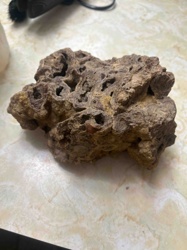
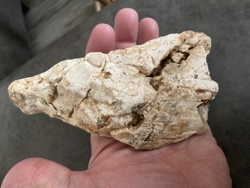
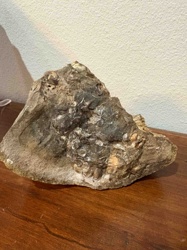
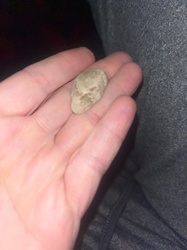
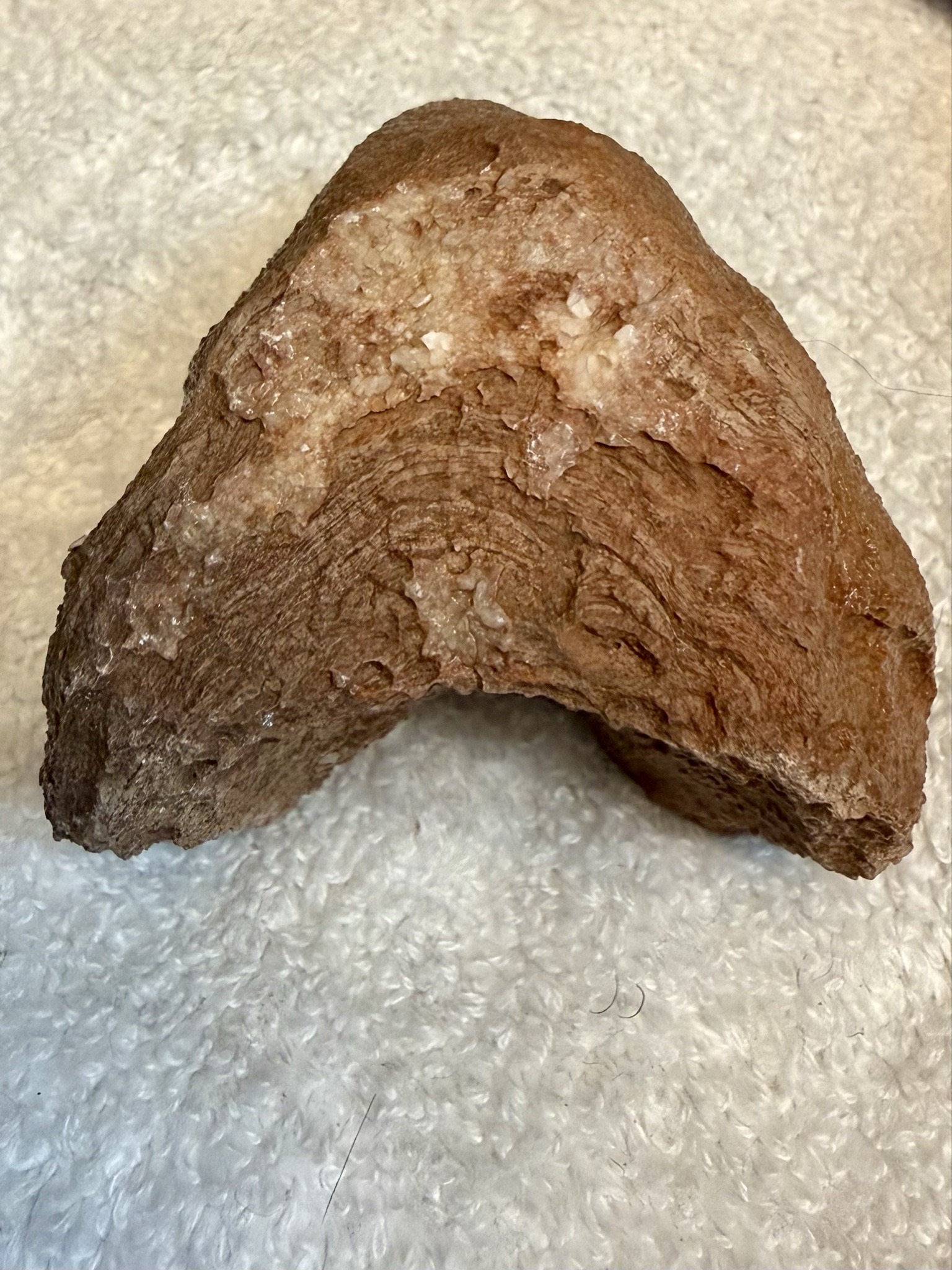
Submitted item photo
Submitted photo · June 27, 2026

User's notes

Vertebra fossil from Morrison formation

AI analysis below

AI appraisal

AI analysis & estimate

AI-Generated · Verify before acting

Everything below is generated by AI for informational purposes only. AI can make mistakes — the AI may misidentify items or misattribute them (artist, maker, brand, designer, origin, era). This is not an official valuation and should not be used for insurance, sale, tax, estate, legal, or lending purposes — or any decision requiring a certified appraisal. It is not an authoritative claim about any person, brand, or rights holder — do not share or rely on it as a factual statement about a third party. Always consult qualified professionals before making financial decisions.

Note

This analysis also relies on unverified notes provided by the user, which may be incomplete or inaccurate and could affect the result.

Read the full disclaimer

AI Identification

·Not independently authenticated·Verify before acting

Sauropod Vertebra Fossil Fragment

Paleontology / Natural History Specimens

AI Estimated Value

·Not an official valuation·Verify before acting

$400 - $650

As of June 27, 2026

AI Item Analysis

·AI can make mistakes·Verify before acting
This specimen is a fossilized partial vertebra segment, specifically a centrum or neural arch portion, originating from the Morrison Formation (Upper Jurassic, approximately 150-155 million years ago). The fossil exhibits a distinctive ferruginous reddish-brown color, characteristic of the mineral-rich sedimentary deposits of the Western United States. Physically, the item displays a rugged, arched silhouette with a prominent fibrous texture that mimics the internal spongiosa and cortical bone structure. Notable features include areas of white crystalline mineral replacement, likely calcite or quartz, which have filled the prehistoric cavities and pores through the permineralization process. The surface shows significant weathering and fragmentation, with jagged edges where the bone has broken away from the larger vertebral structure. There is no evidence of modern preparation or stabilization agents like Vinac, suggesting it is in its raw found state. The craftsmanship is entirely natural, featuring intricate fossilized striations and growth lines that highlight the organic nature of the original dinosaur bone. Despite the partial nature of the find, the preservation of the bone grain and the quality of the mineral crystallization make this a valuable scientific and collectible sample of Jurassic megafauna.
AI Appraisal Report

·AI can make mistakes·Verify before acting
Based on my examination of this fossilized partial vertebra segment from the Morrison Formation, I have assessed its value within the current paleontology market. Physically, the specimen exhibits the characteristic ferruginous coloration and permineralization patterns indicative of the Upper Jurassic deposits in the Western United States. The presence of crystalline mineral replacement in the prehistoric pore spaces adds both scientific interest and aesthetic appeal. The condition is raw and un-prepped, showing significant weathering and missing anatomical processes, which limits its value compared to complete or articulated vertebrae. However, the preservation of the internal trabecular bone structure remains high. The market for Morrison Formation sauropod material is consistently strong due to the iconic status of the taxa (such as Apatosaurus or Diplodocus), though unprovenanced fragments occupy the entry-to-mid-tier collector demographic. While the visual indicators—specifically the fibrous texture and authentic mineral matrix—suggest authenticity, definitive verification from images alone is impossible. To fully authenticate this item, a physical inspection is required to rule out composite reconstructions and to perform a 'tongue test' or density check to distinguish it from modern bone or cast replicas. Formal provenance and a stratigraphic record of the discovery site would significantly enhance the specimen's marketability and scientific value. Without these, the value is primarily based on its merit as a 'study-grade' display piece rather than a primary holotype-adjacent specimen.

Get your items appraised

Instant estimates of your treasures with AI-powered appraisals

Browse More Appraisals