AI Appraisal Estimate

AI-generated estimates · not official valuations

From the user

What was submitted

Photo and notes provided by the user — not generated by AI

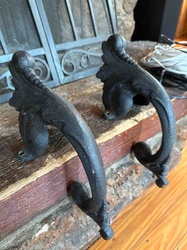
Submitted item photo
Submitted photo · June 15, 2026

User's notes

No additional notes provided.

AI analysis below

AI appraisal

AI analysis & estimate

AI-Generated · Verify before acting

Everything below is generated by AI for informational purposes only. AI can make mistakes — the AI may misidentify items or misattribute them (artist, maker, brand, designer, origin, era). This is not an official valuation and should not be used for insurance, sale, tax, estate, legal, or lending purposes — or any decision requiring a certified appraisal. It is not an authoritative claim about any person, brand, or rights holder — do not share or rely on it as a factual statement about a third party. Always consult qualified professionals before making financial decisions.

Read the full disclaimer

AI Identification

·Not independently authenticated·Verify before acting

Victorian Cast Iron Tiled Combination Fireplace

Architectural Antiques / Fireplace Surrounds

AI Estimated Value

·Not an official valuation·Verify before acting

$1,200 - $1,800 USD

As of June 15, 2026

AI Item Analysis

·AI can make mistakes·Verify before acting
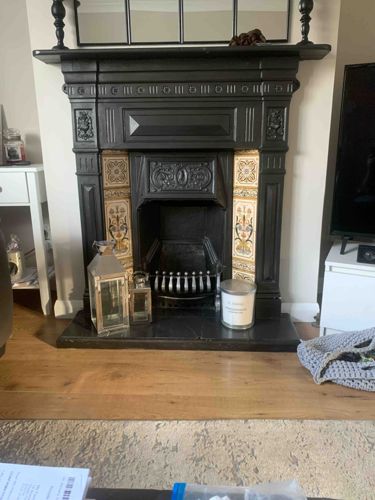
This is a late Victorian architectural fireplace feature, likely dating between 1880 and 1900. It is a 'combination' style grate, meaning the mantel, surround, and firebox are cast as a single integrated unit. The structure is made of heavy cast iron, finished in a matte black coal-tar or lead-brush style finish. Architecturally, it features a prominent mantel shelf supported by a frieze decorated with a Repeating 'bead and reel' or Neoclassical circular pattern and a central raised rectangular panel. The vertical jambs are embellished with floral urn motifs in relief and recessed fluting. A standout feature is the vertical runs of decorative ceramic transfer-printed tiles on either side of the opening; these show a stylized floral Art Nouveau or Aesthetic Movement pattern in ochre, green, and cream hues. The firebox contains a decorative arched canopy with scrollwork and a matching curved grate with vertical bars for coal burning. The unit sits atop a slate or stone hearth. Condition appears fair to good: the ironwork shows a consistent dark patina with some softening of the cast details due to successive layers of paint or polish over time. There are no immediate signs of major structural cracking, though slight misalignment with the floor hearth and minor chips to the mantel edge are visible. The tiles appear intact without significant crazing or heat damage, which is a key indicator of quality and preservation.
AI Appraisal Report

·AI can make mistakes·Verify before acting
Based on my examination of this late Victorian combination grate, I find it to be a high-quality example of late 19th-century architectural ironwork. The integration of the surround and firebox into a single casting suggests a manufacture date between 1885 and 1900. The ironwork displays the crisp Neoclassical and Aesthetic Movement motifs typical of the period, and the retention of the original glazed ceramic tiles significantly elevates its market appeal. The tiles' lack of thermal crazing or 'blown' surfaces suggests a well-maintained piece that has not been subjected to extreme overheating. Currently, the market for architectural antiques remains robust, particularly for functional period features in Victorian-era renovations. Comparables for restored combination grates with intact tiling generally fetch between $1,200 and $1,800 at specialized architectural salvage auctions and antique showrooms. The primary value drivers here are the completeness of the unit and the aesthetic quality of the Art Nouveau tile patterns. However, a digital inspection has limitations. I cannot verify the integrity of the rear casting for stress fractures hidden by the firebrick, nor can I confirm if the tiles are original or later Victorian-style reproductions without examining the manufacturer's marks on the reverse side. A full authentication would require physical inspection to check the thickness of the metal and the presence of any 'cold' repairs or welding hidden by the black lead finish. Furthermore, the provenance of the house from which it was reclaimed would assist in confirming its geographic origin, likely a UK foundry given the specific 'bead and reel' casting patterns observed.

Get your items appraised

Instant estimates of your treasures with AI-powered appraisals

Browse More Appraisals