AI identification & appraisal estimate

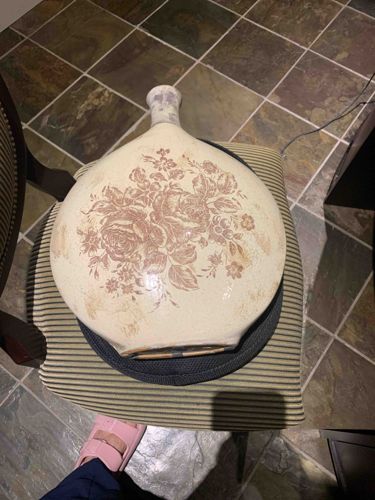
Distressed Floral Ceramic Gourd Vase

Submitted photo of Distressed Floral Ceramic Gourd Vase
Photo submitted by the user — not generated by AI

User's notes

Ceramic vase

These notes were written by the person who submitted this item. Appraiser.AI has not verified them, and the AI's identification and estimate may rely on them.

AI Estimated Value

Not an official valuation

$40-$65

AI estimate as of July 15, 2025 · verify with a professional before acting

AI-Generated · Verify before acting

Everything on this page is generated by AI for informational purposes only. AI can make mistakes — the AI may misidentify items or misattribute them (artist, maker, brand, designer, origin, era). This is not an official valuation and should not be used for insurance, sale, tax, estate, legal, or lending purposes — or any decision requiring a certified appraisal. It is not an authoritative claim about any person, brand, or rights holder — do not share or rely on it as a factual statement about a third party. Always consult qualified professionals before making financial decisions.

This analysis also relies on unverified notes provided by the user, which may be incomplete or inaccurate and could affect the result.

Read the full disclaimer

AI Item Analysis

This is a large, ceramic vase with a distinct gourd or flask-like flattened spherical body and a narrow, elongated neck. The primary color is an off-white or cream, which serves as a base for a prominent floral transferware or stenciled decoration in a muted, reddish-brown or sepia tone. The floral pattern, concentrated on the front-facing (and presumably back-facing) surfaces of the flattened body, depicts a dense arrangement of roses and other botanical elements, characteristic of a toile or chintz aesthetic. The surface exhibits a slightly distressed or aged finish, possibly intentionally crackled or antiqued, with some visible darker specks or 'dirt' patina, particularly around the edges of the floral design and the lower half of the body. The neck of the vase appears to have a subtle ridged or textured finish with a similar aged appearance. The construction indicates it is made from earthenware or stoneware. The base, partly obscured by a dark pad, appears to be flat and unglazed on the visible edge, suggesting it is designed for stability. There are no visible maker's marks or signatures from the provided image. The style suggests it could be a contemporary decorative piece designed to evoke a vintage or shabby chic aesthetic, likely from the late 20th or early 21st century. The overall craftsmanship appears to be commercial grade, fitting for a mass-produced decorative item. No significant chips, cracks, or repairs are overtly visible from this perspective, only the intended distressed finish.
AI Appraisal Report

Upon examining the provided images and description of this Distressed Floral Ceramic Gourd Vase, I have conducted my appraisal. The item is a large ceramic vase of contemporary manufacture, likely from the late 20th or early 21st century, designed with a vintage or 'shabby chic' aesthetic. The distressed finish, featuring sepia-toned floral transferware and an antiqued glaze, appears to be an intentional part of the design rather than the result of age or wear. The overall condition, from the visual information available, is good, showing no signs of unintended damage such as chips or cracks. The vase's value is primarily decorative. Based on my analysis of the current market for similar mass-produced decorative home goods, comparable items from brands specializing in this style (e.g., Pottery Barn, Pier 1 Imports, or similar) typically retail in a modest price range. The lack of a visible maker's mark or any indication of a renowned designer or studio means this piece is valued as a decorative object rather than a work of collectible ceramic art. The primary factor influencing its value is its decorative appeal within contemporary interior design trends. A definitive authentication and attribution would require a physical inspection to identify any potential hidden maker's marks on the base and to more closely assess the quality of the ceramic and glaze. However, based on the visual evidence, its origin as a commercial decor item is highly probable.

Keep exploring

More vase appraisals

Get your items appraised

Instant AI-powered appraisal estimates from a photo

Browse More Appraisals