AI Appraisal Estimate

AI-generated estimates · not official valuations

From the user

What was submitted

Photo and notes provided by the user — not generated by AI

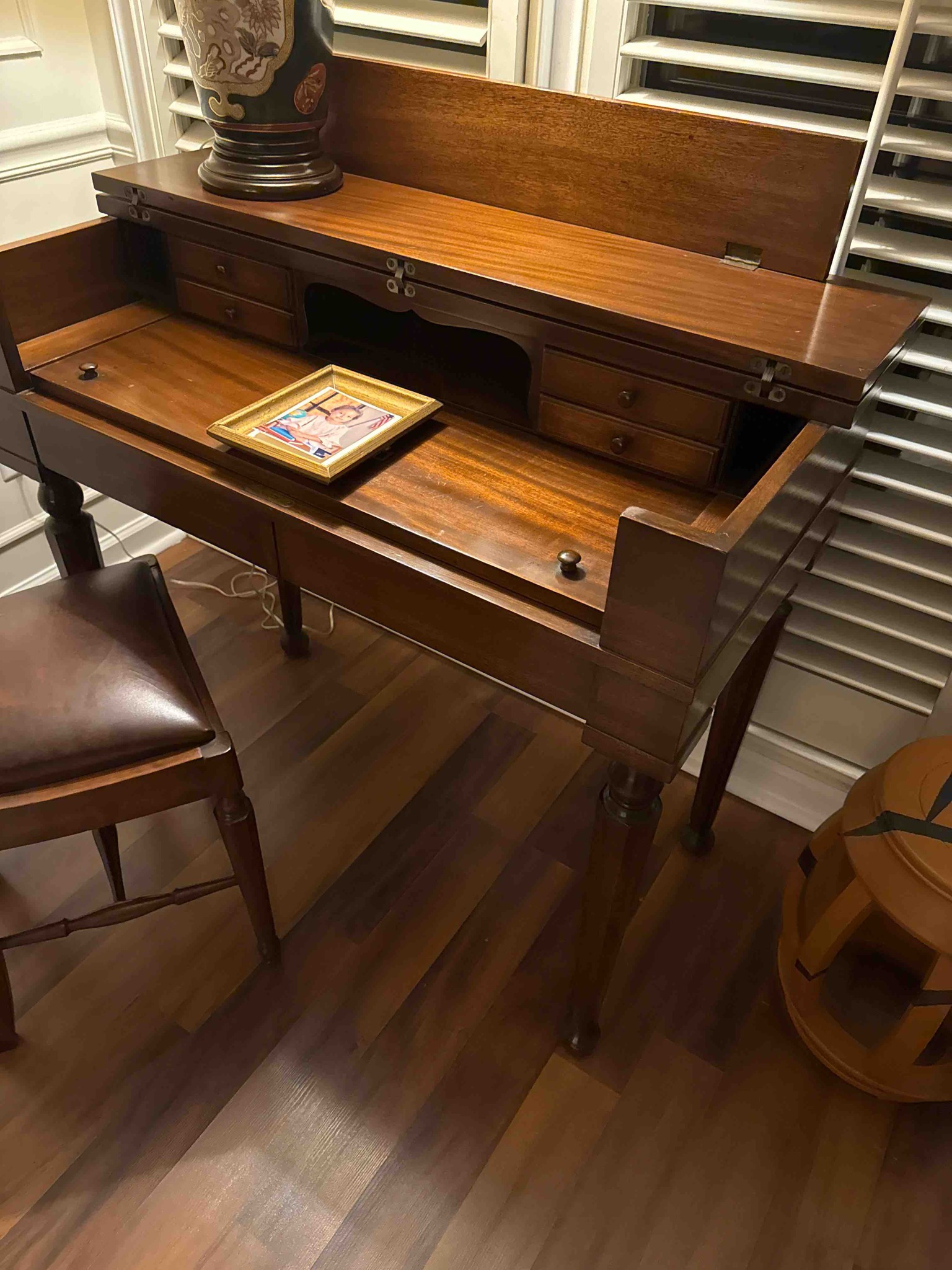
Submitted item photo
Submitted photo · May 26, 2026

User's notes

No additional notes provided.

AI analysis below

AI appraisal

AI analysis & estimate

AI-Generated · Verify before acting

Everything below is generated by AI for informational purposes only. AI can make mistakes — the AI may misidentify items or misattribute them (artist, maker, brand, designer, origin, era). This is not an official valuation and should not be used for insurance, sale, tax, estate, legal, or lending purposes — or any decision requiring a certified appraisal. It is not an authoritative claim about any person, brand, or rights holder — do not share or rely on it as a factual statement about a third party. Always consult qualified professionals before making financial decisions.

Read the full disclaimer

AI Identification

·Not independently authenticated·Verify before acting

Sheraton Style Flip-Top Spinet Desk

Antique/Vintage Furniture

AI Estimated Value

·Not an official valuation·Verify before acting

$450 - $700

As of May 26, 2026

AI Item Analysis

·AI can make mistakes·Verify before acting
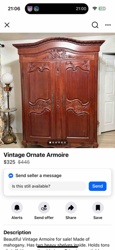
This is a fine mahogany spinet-style desk, likely a 20th-century revival of the late 18th-century Sheraton period. The piece features a characteristic flat top with a hinged, flip-back design that reveals an internal gallery of pigeonholes and small drawers for organizational purposes. Below the hutch, the primary writing surface is also hinged and pulls forward to provide additional workspace. The desk is supported by four turned and tapered legs that terminate in elegant spade feet, a hallmark of Neoclassical influence. The wood exhibits a deep, warm reddish-brown mahogany finish with a notable grain pattern across the large flat surfaces. It possesses simple brass pull knobs on the interior drawers and functional metal hinges connecting the folding panels. In terms of condition, the piece appears to be in good vintage or antique condition with a subtle patina developed over time. There are minor surface scratches and indentations on the writing surface consistent with regular use. The joinery appears solid, and the construction demonstrates high-quality craftsmanship, including well-fitted interior drawers and clean lines. This style was designed to resemble the square pianos or spinets of its era when closed, allowing it to function as a decorative table or sideboard in a room when not in use as a writing desk.
AI Appraisal Report

·AI can make mistakes·Verify before acting
I have carefully examined the provided images of this Sheraton-style mahogany spinet desk. Based on the clean joinery, the uniform patina of the mahogany, and the specific refinement of the tapered spade feet, I identify this as a high-quality 20th-century revival piece rather than a primary period Sheraton antique (circa 1790-1810). The condition is commendable; while showing minor utility wear, the structural integrity of the flip-top mechanism and internal gallery remains intact. Market demand for mahogany 'piano' desks has softened significantly in recent years as younger collectors shift toward mid-century modern or utilitarian industrial styles. However, the versatility of this specific design—functioning as a sideboard when closed—retains a niche appeal for traditional interior designers. This valuation is based on recent auction results for similar high-end reproductions by makers like Beacon Hill or Kittinger. A period 18th-century piece would fetch significantly more, but the lack of hand-dovetailing and the presence of contemporary hardware finishes suggest a later manufacturing date. Note: This appraisal is based strictly on visual inspection of digital images. I cannot definitively verify the wood's age, the presence of modern glue, or internal markings. A full authentication would require an in-person physical inspection of the secondary woods (such as drawer linings), examination of tool marks on the underside, and provenance documentation to confirm the workshop of origin. The presence of a maker’s mark inside a drawer would notably stabilize value at the higher end of the provided range.

Get your items appraised

Instant estimates of your treasures with AI-powered appraisals

Browse More Appraisals