AI Appraisal Estimate

AI-generated estimates · not official valuations

From the user

What was submitted

Photo and notes provided by the user — not generated by AI

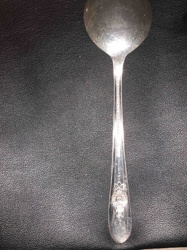
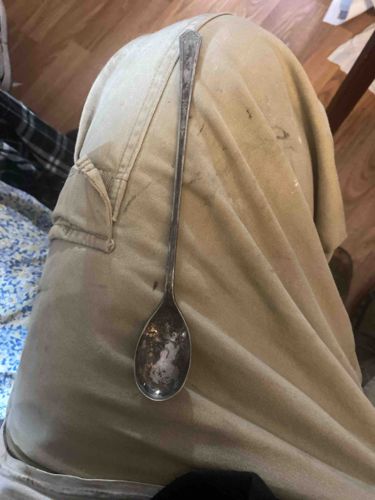
Submitted item photo
Submitted photo · June 6, 2026

User's notes

No additional notes provided.

AI analysis below

AI appraisal

AI analysis & estimate

AI-Generated · Verify before acting

Everything below is generated by AI for informational purposes only. AI can make mistakes — the AI may misidentify items or misattribute them (artist, maker, brand, designer, origin, era). This is not an official valuation and should not be used for insurance, sale, tax, estate, legal, or lending purposes — or any decision requiring a certified appraisal. It is not an authoritative claim about any person, brand, or rights holder — do not share or rely on it as a factual statement about a third party. Always consult qualified professionals before making financial decisions.

Read the full disclaimer

AI Identification

·Not independently authenticated·Verify before acting

Vintage Silver-Plated Serving Spoon

Flatware / Serving Utensil

AI Estimated Value

·Not an official valuation·Verify before acting

$10-25

As of June 6, 2026

AI Item Analysis

·AI can make mistakes·Verify before acting
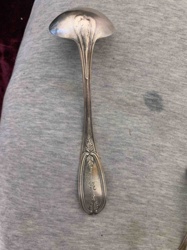
This item is a vintage serving spoon, likely silver-plated, characterized by its elongated handle and deep, oval bowl. The overall length appears substantial, suggesting its use for serving rather than individual dining. The material displays a dull, tarnished silver-grey color with areas of darker oxidation, particularly within the bowl and along the handle, indicating age and lack of recent polishing. The handle itself is flat and tapers slightly towards the terminal end, which shows a simple, rounded design without elaborate ornamentation. There are no clear decorative patterns visible on the handle, suggesting a utilitarian or minimalist style, possibly from the early to mid-20th century. The bowl of the spoon is relatively deep and broad, consistent with a serving function. Significant wear and surface scratching are evident throughout the spoon, particularly inside the bowl, where a mottled, almost flaky appearance can be seen, which could be a sign of plating loss or heavily caked-on residue. The surface reflects light unevenly due to the tarnishing and scratches. There are no discernible maker's marks, signatures, or stamps visible in the provided image to ascertain the manufacturer or specific silver content, but these details would typically be found on the underside of the handle. The craftsmanship appears sturdy but not exceptionally ornate, indicating a functional piece designed for regular use. The condition suggests it is well-used and unmaintained, with a heavy patina that collectors might appreciate, or which could be polished away to reveal a brighter finish.
AI Appraisal Report

·AI can make mistakes·Verify before acting
Upon examining the image of this vintage serving spoon, I assess it as silver-plated due to the characteristic tarnishing and lack of hallmarks visible. Its utilitarian design, with an elongated handle and deep oval bowl, suggests a functional piece from the early to mid-20th century. The condition is fair to poor, displaying significant tarnish, surface scratches, and what appears to be plating loss or heavy residue within the bowl, indicating extensive use and lack of maintenance. The absence of elaborate ornamentation or discernible maker's marks limits its aesthetic and collectible appeal. Market conditions for unmarked, well-used silver-plated flatware are generally low. Comparables typically sell for modest sums, often in groups or sets, rather than as individual pieces. Demand for such items is primarily from individuals seeking functional vintage pieces or those looking to add to a mismatched collection. Rarity is not a factor here; countless similar silver-plated serving spoons were produced. Factors significantly impacting its value are the heavy tarnish and potential plating loss, which detract from its visual appeal and structural integrity. Without a manufacturer's mark, its provenance and potential historical significance are impossible to determine. It is crucial to note that this appraisal is based solely on visual examination of the provided image. Authenticity verification and a more precise condition assessment would require in-person examination to check for maker's marks (typically on the underside of the handle), assess the extent of plating loss accurately, and determine if the 'flaky appearance' in the bowl is indeed plating wear or removable residue. Scientific testing could confirm silver content, but for an item of this likely value, it would not be cost-effective.

Get your items appraised

Instant estimates of your treasures with AI-powered appraisals

Browse More Appraisals