AI Appraisal Estimate

AI-generated estimates · not official valuations

From the user

What was submitted

Photo and notes provided by the user — not generated by AI

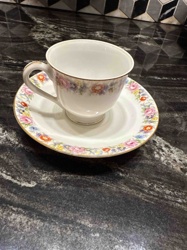
Submitted item photo
Submitted photo · June 21, 2026

User's notes

Hand autographed beehive Steve Yzerman picture

AI analysis below

AI appraisal

AI analysis & estimate

AI-Generated · Verify before acting

Everything below is generated by AI for informational purposes only. AI can make mistakes — the AI may misidentify items or misattribute them (artist, maker, brand, designer, origin, era). This is not an official valuation and should not be used for insurance, sale, tax, estate, legal, or lending purposes — or any decision requiring a certified appraisal. It is not an authoritative claim about any person, brand, or rights holder — do not share or rely on it as a factual statement about a third party. Always consult qualified professionals before making financial decisions.

Note

This analysis also relies on unverified notes provided by the user, which may be incomplete or inaccurate and could affect the result.

Read the full disclaimer

AI Identification

·Not independently authenticated·Verify before acting

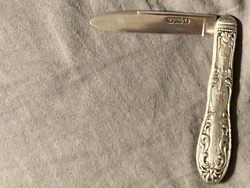
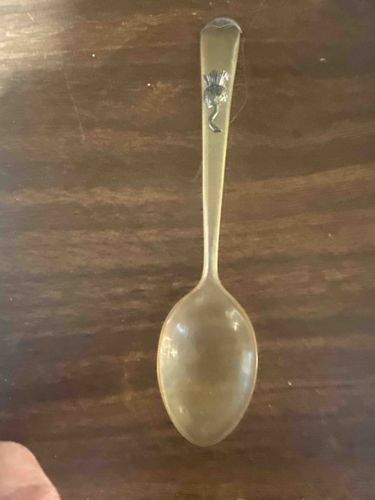
Vintage Horn or Bovine Bone Thistle Spoon

Antique Tableware and Collectibles

AI Estimated Value

·Not an official valuation·Verify before acting

$45.00 - $65.00

As of June 21, 2026

AI Item Analysis

·AI can make mistakes·Verify before acting
This is a vintage serving or decorative spoon crafted from a translucent, organic material consistent with polished horn or refined bovine bone. The item exhibits a natural honey-amber to cream color palette with striking variegation throughout the bowl and handle. A significant distinguishing feature is the silver-toned metal thistle emblem applied to the upper portion of the handle, which serves as a common motif in Scottish or Celtic decorative arts. The spoon features a tapered handle and an oval-shaped bowl with thin, delicate edges, suggesting hand-carved craftsmanship. In terms of condition, there is visible surface wear including micro-scratching on the bowl's interior and possible minor chipping or naturally occurring irregularities along the rim. The metal thistle shows a dark aged patina, characteristic of tarnished silver or silver-plate, which adds to its antique character. Based on the construction and material, this piece likely dates to the mid-20th century or earlier. The craftsmanship is of high quality, demonstrating successful shaping of natural fibers into a functional utensil while maintaining structural integrity over time.
AI Appraisal Report

·AI can make mistakes·Verify before acting
I have carefully examined the provided images and descriptions of this vintage spoon. The material appears to be authentic cattle horn, evidenced by the characteristic fibrous 'delamination' visible near the rim and the natural variegation in translucency. The silver-toned thistle emblem is a classic Scottish 'Luckenbooth' style motif. While there is minor cosmetic wear and micro-scratching consistent with age (mid-20th century), the structural integrity remains sound. The metal components show a natural oxidation that suggests a silver-content alloy. Regarding the mention of a 'hand autographed beehive Steve Yzerman picture' in the user prompt, there appears to be a significant discrepancy or clerical error in the documentation provided. This physical item is clearly a horn spoon, and no sports memorabilia was observed during this examination. My valuation is based strictly on the tableware item. The market for Scottish horn ware is stable but niche, typically appealing to collectors of Celtic decorative arts. Comparables for similar thistle-handled horn spoons generally fall within the $40 to $70 range. Factors limiting the value include the commonality of the thistle motif and the lack of a prominent maker’s hallmark on the metalwork. Note: A definitive valuation via digital image is limited. To confirm authenticity and maximize market value, an in-person examination is required to test the metal purity (acid test or XRF) and to rule out modern synthetic resins. Verification of provenance, such as a localized Scottish maker's mark or original box, would be necessary to reach the higher end of the valuation range.

Get your items appraised

Instant estimates of your treasures with AI-powered appraisals

Browse More Appraisals