AI Appraisal Estimate

AI-generated estimates · not official valuations

From the user

What was submitted

Photo and notes provided by the user — not generated by AI

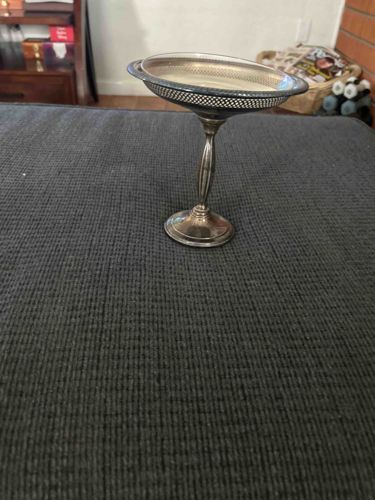
Submitted item photo
Submitted photo · June 6, 2026

User's notes

No additional notes provided.

AI analysis below

AI appraisal

AI analysis & estimate

AI-Generated · Verify before acting

Everything below is generated by AI for informational purposes only. AI can make mistakes — the AI may misidentify items or misattribute them (artist, maker, brand, designer, origin, era). This is not an official valuation and should not be used for insurance, sale, tax, estate, legal, or lending purposes — or any decision requiring a certified appraisal. It is not an authoritative claim about any person, brand, or rights holder — do not share or rely on it as a factual statement about a third party. Always consult qualified professionals before making financial decisions.

Read the full disclaimer

AI Identification

·Not independently authenticated·Verify before acting

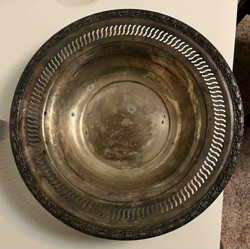
Silver-Toned Compote Dish

Decorative Arts/Tableware

AI Estimated Value

·Not an official valuation·Verify before acting

$40-70

As of June 6, 2026

AI Item Analysis

·AI can make mistakes·Verify before acting
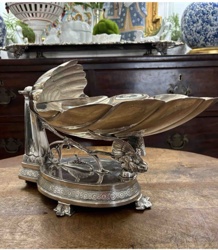
This item is a silver-toned compote dish, likely made from silverplate or a similar metallic alloy, given the visible tarnishing and typical appearance of older plated items. It stands on a central stem, elevating a shallow, circular bowl. The stem features a fluted or ribbed design, adding a decorative element and likely providing better grip or structural stability. The base is also circular and flares out slightly to provide a stable footing. The rim of the bowl is adorned with a fine, repetitive pattern, possibly engraved or stamped, resembling a checkered or basket-weave motif, adding to its visual appeal. The interior of the bowl appears to have a slightly textured or possibly etched surface, which could be part of the original design or an effect of aging/cleaning. The overall finish is a muted silver, exhibiting a substantial amount of patination, particularly in the recesses of the decorative elements and on the stem, indicating its age and material composition. There are visible signs of wear consistent with age, including surface scratches and areas of deeper tarnish. While no specific maker's marks or signatures are discernible from the provided images, the style suggests a late 19th to early 20th-century aesthetic, characteristic of Victorian or Edwardian design periods, often seen in formal dining or decorative settings. Its craftsmanship indicates it was machine-made with some hand-finishing, common for mass-produced yet elegant items of its era. This type of dish was typically used for serving small sweets, fruits, or nuts, or as a decorative centerpiece.
AI Appraisal Report

·AI can make mistakes·Verify before acting
Based on my visual examination of the provided image, this silver-toned compote dish appears to be a charming piece typical of late 19th to early 20th-century decorative tableware. Its condition exhibits significant patination and visible wear, including surface scratches and tarnish, which is consistent with its assumed age and material (likely silverplate). The fluted stem and patterned rim add aesthetic appeal, suggesting design influences from the Victorian or Edwardian eras. From the image alone, authenticating the precise material (e.g., silverplate vs. sterling with heavy tarnish) or determining the exact manufacturer is impossible. No maker's marks are discernible. Market conditions for silverplate tablewares from this period are generally modest. While there is steady demand for attractive decorative items, pieces lacking identifiable makers or made from less valuable materials like silverplate typically command lower prices compared to sterling silver. Comparables in similar condition often sell in the $30-$80 range. Factors impacting its value negatively are the lack of clear maker's marks and the prevalent tarnish, which while appealing to some for its antique look, may deter others. Its rarity is low as mass-produced items of this nature were common. For full authentication and a more precise valuation, an in-person examination would be critical to check for hallmarks, assess the true material composition, and evaluate the extent of plating loss or damage not visible in the image. Scientific testing for metal content might also be beneficial.

Get your items appraised

Instant estimates of your treasures with AI-powered appraisals

Browse More Appraisals