AI Appraisal Estimate

AI-generated estimates · not official valuations

From the user

What was submitted

Photo and notes provided by the user — not generated by AI

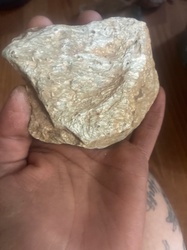
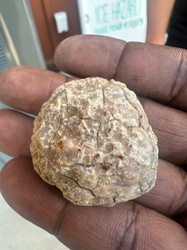
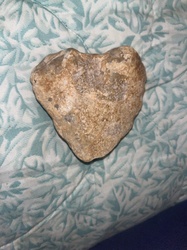
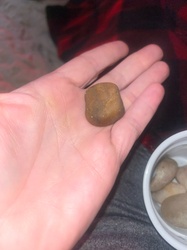
Submitted item photo
Submitted photo · June 18, 2026

User's notes

Rock

AI analysis below

AI appraisal

AI analysis & estimate

AI-Generated · Verify before acting

Everything below is generated by AI for informational purposes only. AI can make mistakes — the AI may misidentify items or misattribute them (artist, maker, brand, designer, origin, era). This is not an official valuation and should not be used for insurance, sale, tax, estate, legal, or lending purposes — or any decision requiring a certified appraisal. It is not an authoritative claim about any person, brand, or rights holder — do not share or rely on it as a factual statement about a third party. Always consult qualified professionals before making financial decisions.

Note

This analysis also relies on unverified notes provided by the user, which may be incomplete or inaccurate and could affect the result.

Read the full disclaimer

AI Identification

·Not independently authenticated·Verify before acting

Scoria (Lava Rock)

Geological Specimen

AI Estimated Value

·Not an official valuation·Verify before acting

$0 - $10

As of June 18, 2026

AI Item Analysis

·AI can make mistakes·Verify before acting
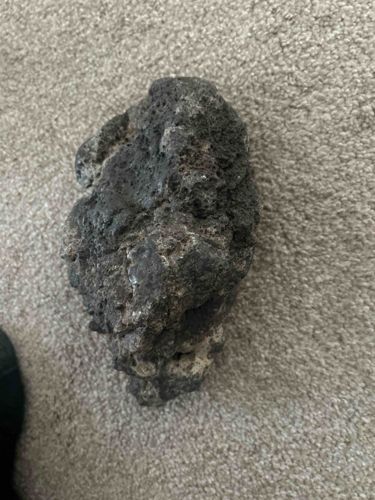
The item is a specimen of scoria, commonly known as lava rock, characterized by its dark, vesicular texture. Its overall shape is irregular and somewhat elongated, measuring approximately 6-8 inches in its longest dimension, resting on a gray, carpeted surface. The primary color is a dark gray to black, with variations in shade due to surface texture and minor accumulations of lighter-colored dust or sediment, particularly within the crevices. The rock exhibits high porosity, with numerous visible vesicles (gas bubbles) ranging in size from pinpricks to several millimeters across, which are typical for extrusive igneous rocks formed during volcanic eruptions. These vesicles give the rock a rough, spongy, and lightweight appearance. There are no clear distinguishing marks such as maker's marks, signatures, or stamps, as this is a natural geological specimen. No apparent repairs or significant damage are visible, though the naturally friable nature of scoria means small fragments could detach over time. The estimated age is geological, likely ranging from decades to millions of years, depending on the volcanic activity that formed it. Its unique aspect is its natural formation process, making each piece distinct. The material is volcanic rock, specifically scoria, indicating a rapid cooling process with trapped gases. The craftsmanship lies solely in its natural formation, providing an example of Earth's geological processes. The absence of polished surfaces or deliberate carving further confirms its natural state.

AI Appraisal Report

·AI can make mistakes·Verify before acting
Upon visual examination of the provided image, I have assessed this specimen of scoria, commonly known as lava rock. The item presents as a standard example of extrusive igneous rock, characterized by its dark coloration and highly vesicular, porous texture. Its condition appears stable and consistent with its natural geological origin. There are no signs of artificial modification or repair. Authenticity as a natural geological specimen is highly probable based on its visual characteristics. However, definitively determining its specific origin or geological age from an image alone is impossible. Full authentication would require petrographic analysis to determine mineral composition and potentially geochemical testing to trace it to a specific volcanic source. Provenance documentation linking it to a notable collection or a specific, scientifically significant volcanic event would be necessary to elevate its status beyond a common decorative or landscaping rock. Market analysis indicates that scoria is extremely common and widely available. It is commercially quarried and sold in bulk for landscaping, drainage, and use in items like barbecue grills. Individual, hand-sized specimens like this one have a very low fair market value. Comparable examples are frequently found in nature, sold in rock shops, or included in educational mineral kits for a nominal price. There is no significant collector demand for generic scoria specimens without exceptional features, such as unusually large size, unique crystalline inclusions, or documented provenance from a historically important eruption. Consequently, the primary factor impacting the value is its commonality. Lacking any unique attributes or documented history, its value is negligible. My appraisal places its fair market value in the range of $0 to $10, reflecting its status as a common natural object primarily suited for decorative or educational purposes.

Get your items appraised

Instant estimates of your treasures with AI-powered appraisals

Browse More Appraisals