AI identification & appraisal estimate

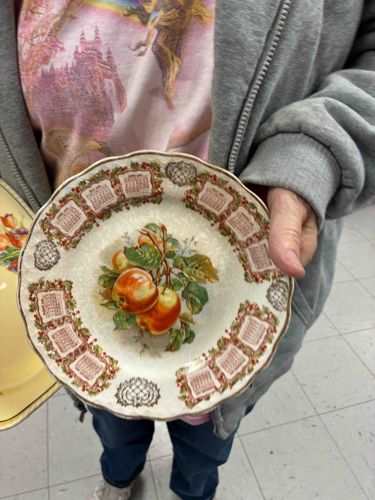
Vintage 1913 Calendar Plate with Fruit Motif

Submitted photo of Vintage 1913 Calendar Plate with Fruit Motif
Photo submitted by the user — not generated by AI

AI Estimated Value

Not an official valuation

$25.00 - $45.00

AI estimate as of January 13, 2026 · verify with a professional before acting

AI-Generated · Verify before acting

Everything on this page is generated by AI for informational purposes only. AI can make mistakes — the AI may misidentify items or misattribute them (artist, maker, brand, designer, origin, era). This is not an official valuation and should not be used for insurance, sale, tax, estate, legal, or lending purposes — or any decision requiring a certified appraisal. It is not an authoritative claim about any person, brand, or rights holder — do not share or rely on it as a factual statement about a third party. Always consult qualified professionals before making financial decisions.

Read the full disclaimer

AI Item Analysis

This is a circular ceramic calendar plate dating to the year 1913. The plate exhibits a scalloped, molded rim typical of early 20th-century decorative earthenware. Centrally located is a transfer-printed still life featuring ripe apples on a leafy branch, rendered in autumnal shades of red, orange, and green. The cream-colored background of the plate is heavily crazed, displaying a fine network of surface cracks throughout the glaze, which is a common age-related condition for semi-porcelain or ironstone of this era. Around the border, the twelve months of the 1913 calendar are displayed in individual decorative vignettes separated by holly-like leaf motifs and geometric heraldic-style medallions in a dark sepia or brown tone. The outer edge is finished with a thin, partially worn gold gilt band. The craftsmanship suggests a mass-produced commemorative item, likely distributed as a promotional gift by a merchant or general store. While no maker's mark is visible from the front, similar pieces were frequently produced by American potteries such as Shenango or Homer Laughlin. Condition issues include significant crazing and some minor staining, which are consistent with an item of this age that may have been used for display or light service.
AI Appraisal Report

I have examined the digital representation of this 1913 calendar plate. Calendar plates were popular promotional items between 1906 and 1929; this example features a classic fruit motif and typical scalloped rim. Based on visual analysis, the piece appears to be an authentic example of early 20th-century American semi-porcelain. I observe significant all-over crazing and localized staining, which are common but detract from the value, as collectors generally prefer 'clean' examples without darkened glaze fractures. The gilt loss on the rim suggests moderate handling over the past century. The market for calendar plates is currently soft, as they were mass-produced in high volumes; the value is primarily driven by the specific year (interest to centennial collectors) and the subject matter. This fruit motif is standard and does not command the premium associated with rare 'advertisement' plates that name specific defunct general stores. While the aesthetic is consistent with potteries like Homer Laughlin, the lack of a visible maker's mark limits certainty. A physical inspection would be required to check for structural hairlines, chips, or professional restorations hidden by the crazing. For definitive authentication, I would need to examine the reverse for a backstamp and verify the weight and resonance of the ceramic body. Provenance documentation regarding its original distribution would add minor historical interest but would likely not significantly alter the market value given the condition.

Keep exploring

More antique ceramics and collectibles appraisals

Get your items appraised

Instant AI-powered appraisal estimates from a photo

Browse More Appraisals