AI Appraisal Estimate

AI-generated estimates · not official valuations

From the user

What was submitted

Photo and notes provided by the user — not generated by AI

Submitted item photo
Submitted photo · June 1, 2026

User's notes

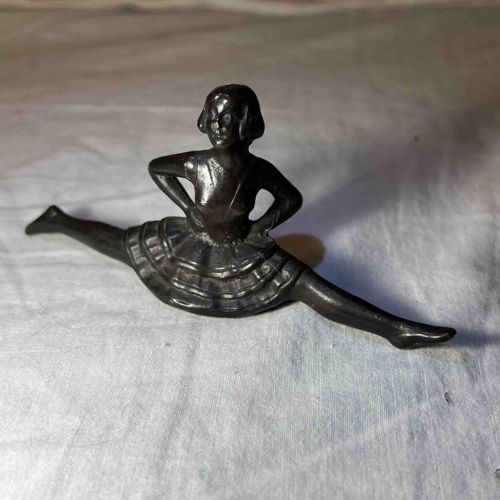
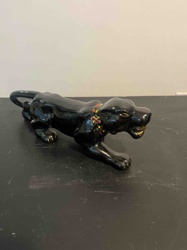
Based on the provided image and information, here is a corrected and filled-in description of the item: Item: Ballerina or dancer figurine Markings: None visible in the image. Item dimensions: L 4.5" x H 2" x W 1.2" (These dimensions seem plausible for the size of the object shown). Item material: Bronze. The dark, tarnished patina and the reddish-brown tone visible in some areas are consistent with aged bronze. Location origin: Unknown. However, this type of figurine, particularly in a cast bronze style, was a popular subject for decorative arts in many places, including Europe and the United States. Without any markings, it's impossible to pinpoint an exact location. Estimated time period origin: Mid-20th Century. The style of the figurine, depicting a dancer in a theatrical pose, is very reminiscent of the Art Deco and Mid-Century Modern periods. Figurines of dancers were a popular decorative motif during this time, often produced as desk ornaments, paperweights, or small decorative sculptures. The overall aesthetic—a stylized, somewhat simplified figure in a dynamic pose—fits well within the artistic tastes of the 1930s-1950s. Other details: * Form and Pose: The figure is a ballerina performing a straddle split or "middlesplit" pose. She is wearing a pleated tutu and has her hands on her hips, with her head turned slightly to the side. The pose is dynamic and theatrical, typical of ballet. * Patina: The surface has a dark, uneven patina, which is a layer that forms on bronze due to oxidation over time. This suggests the piece is not a recent reproduction and has some age. * Function: Given its size and flat-bottomed design, it was likely intended as a small decorative object, a paperweight, or a collectible figurine.

AI analysis below

AI appraisal

AI analysis & estimate

AI-Generated · Verify before acting

Everything below is generated by AI for informational purposes only. AI can make mistakes — the AI may misidentify items or misattribute them (artist, maker, brand, designer, origin, era). This is not an official valuation and should not be used for insurance, sale, tax, estate, legal, or lending purposes — or any decision requiring a certified appraisal. It is not an authoritative claim about any person, brand, or rights holder — do not share or rely on it as a factual statement about a third party. Always consult qualified professionals before making financial decisions.

Note

This analysis also relies on unverified notes provided by the user, which may be incomplete or inaccurate and could affect the result.

Read the full disclaimer

AI Identification

·Not independently authenticated·Verify before acting

Bronze Ballerina / Dancer Figurine (Mid-20th Century)

Decorative Art / Figurine

AI Estimated Value

·Not an official valuation·Verify before acting

$40-65

As of June 1, 2026

AI Item Analysis

·AI can make mistakes·Verify before acting
This item is a bronze figurine depicting a ballerina or dancer in a mid-split pose. It measures approximately 4.5 inches in length, 2 inches in height, and 1.2 inches in width. The material is unequivocally bronze, evidenced by its characteristic dark, uneven tarnished patina, with reddish-brown undertones visible in areas where the surface has worn or lightened. The dancer is sculpted in a dynamic and theatrical pose, with her legs extended widely to either side in a straddle split. Her torso is upright, and her hands are positioned on her hips. Her head is turned slightly to the viewer's left. She wears what appears to be a pleated tutu, detailed with horizontal tiers, suggesting a stylized interpretation of ballet attire. The facial features are somewhat simplified but discernible, adding to the period aesthetic. The overall construction suggests a solid casting, indicative of quality craftsmanship typical of bronze figurines. There are no visible maker's marks, signatures, or stamps directly observable from the provided images, which is common for smaller decorative items of this type. The figurine exhibits a natural, age-appropriate patina, signifying its vintage status and not presenting as a new reproduction. There are no obvious signs of significant damage such as breaks, repairs, or deep scratches; the surface wear appears consistent with the development of the patina over time. The style is highly reminiscent of the Art Deco and Mid-Century Modern periods, specifically between the 1930s and 1950s, when such stylized dancer figurines were popular decorative motifs often used as desk ornaments, paperweights, or small collectible sculptures. Its flat-bottomed design supports its function as a stationary decorative piece.
AI Appraisal Report

·AI can make mistakes·Verify before acting
Upon examining the provided images and description, I have assessed this bronze ballerina figurine. The piece is characteristic of the Mid-20th Century, likely dating from the 1930s to the 1950s, a period when such stylized figures were popular decorative arts. The figurine's dynamic 'middlesplit' pose and pleated tutu are consistent with Art Deco and Mid-Century Modern aesthetics. Its condition appears good for its age, with a natural, dark patina that suggests authenticity and is generally desirable to collectors. There are no signs of major damage like cracks or repairs. The primary factor limiting its value is the absence of a maker's mark or signature. Unsigned decorative bronze pieces, even from reputable foundries, are common but command lower prices than signed works by known artists or studios. The market for small, unsigned bronze figurines is steady but vast. Comparable unsigned mid-century bronze dancer figurines of a similar size and quality typically sell in the lower-to-mid range of the decorative arts market. While the patina is consistent with aged bronze, full authentication is limited by the use of images alone. An in-person examination would allow for a closer inspection of casting details, weight assessment, and a search for any faint or hidden marks. X-ray fluorescence (XRF) analysis could confirm the specific bronze alloy, further helping to date the piece and rule out modern reproductions. Without such tests or provenance, authenticity is based on stylistic interpretation.

Get your items appraised

Instant estimates of your treasures with AI-powered appraisals

Browse More Appraisals