AI Appraisal Estimate

AI-generated estimates · not official valuations

From the user

What was submitted

Photo and notes provided by the user — not generated by AI

Submitted item photo
Submitted photo · June 20, 2026

User's notes

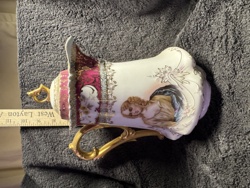
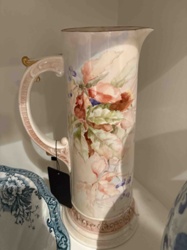
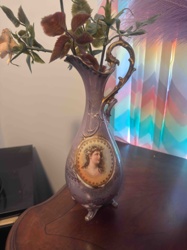
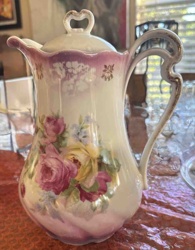
Springer & Co. Elbogen Mignon Austria

AI analysis below

AI appraisal

AI analysis & estimate

AI-Generated · Verify before acting

Everything below is generated by AI for informational purposes only. AI can make mistakes — the AI may misidentify items or misattribute them (artist, maker, brand, designer, origin, era). This is not an official valuation and should not be used for insurance, sale, tax, estate, legal, or lending purposes — or any decision requiring a certified appraisal. It is not an authoritative claim about any person, brand, or rights holder — do not share or rely on it as a factual statement about a third party. Always consult qualified professionals before making financial decisions.

Note

This analysis also relies on unverified notes provided by the user, which may be incomplete or inaccurate and could affect the result.

Read the full disclaimer

AI Identification

·Not independently authenticated·Verify before acting

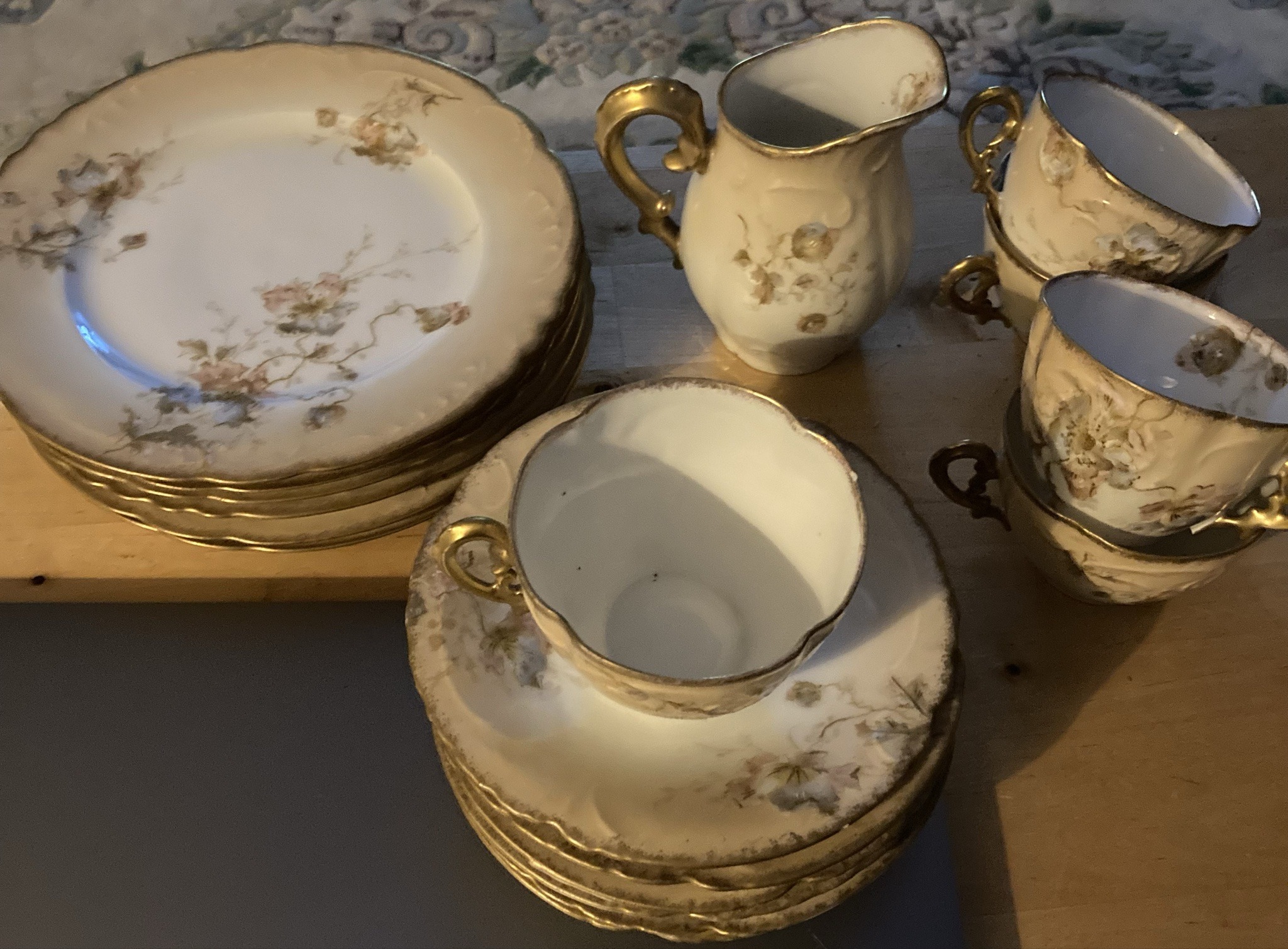
Springer & Co. Elbogen 'Mignon' Porcelain Tea and Dessert Service

Antique Ceramics and Porcelain

AI Estimated Value

·Not an official valuation·Verify before acting

$150 - $250

As of June 20, 2026

AI Item Analysis

·AI can make mistakes·Verify before acting
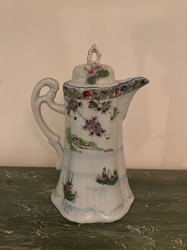
This is a partial porcelain tea and dessert service manufactured by Springer & Co. of Elbogen, Austria (now Loket, Czech Republic), likely dating between 1880 and 1918. The set features the delicate 'Mignon' blank, characterized by elegant scalloped edges and subtle embossed floral or scroll patterns in the relief of the porcelain. The decoration consists of soft, transfer-ware floral sprays in muted tones of blush pink, dusty blue, and sepia, complemented by brushed gold (gilt) rims and heavily gilded handles. The set includes multiple dessert plates, saucers, footed teacups, and a small cream pitcher or ewer. The craftsmanship shows high-quality fine bone china or hard-paste porcelain body with a lustrous glaze. Each piece displays the ornate Rococo Revival style popular in European ceramics during the late 19th and early 20th centuries. Visible condition notes include significant gilt loss (rubbing) on the rims and handles, typical of age and use. Small dark inclusions are visible in the glaze of one cup, and one cup appears to have a significant vertical crack near the rim. The cream pitcher features a classic S-scroll handle and a wide pouring spout, maintaining the same aesthetic harmony as the service pieces.
AI Appraisal Report

·AI can make mistakes·Verify before acting
I have examined the Springer & Co. Elbogen 'Mignon' porcelain service via the provided documentation and imagery. The mark indicates production by the renowned Austrian factory between 1880 and 1918. The set successfully captures the Rococo Revival aesthetic with its scalloped 'Mignon' blank and transfer-ware floral sprays. However, my inspection reveals significant condition issues that heavily mitigate its market value. The heavy gilt loss on the handles and rims, combined with a vertical hairline crack in one cup and glaze inclusions, suggests this set was a 'utilitarian' luxury item rather than a preserved cabinet set. In the current secondary market, partial sets of Elbogen porcelain are common. While the aesthetic is desirable for 'shabby chic' or period-accurate decor, collectors typically seek pristine examples. Comparables for partial services in this condition generally fall in the low-to-mid hundred-dollar range, as the damage to the porcelain body is irreversible. This valuation assumes the remaining pieces are free of structural repairs. Please note that a definitive authentication cannot be completed from images alone. A physical inspection is required to check for 'ringing' (sonic resonance to detect hidden cracks), professional overspray repairs under UV light, and tactile verification of the glaze quality. Provenance detailing the set's history within a specific household could potentially add historical interest, but for valuation purposes, the current physical state is the primary driver.

Get your items appraised

Instant estimates of your treasures with AI-powered appraisals

Browse More Appraisals