AI identification & appraisal estimate

Ron Gordon Designs Vegetable-Themed Ceramic Serving Bowls

This name is the AI's identification of the item — it may be incorrect.

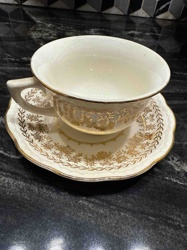
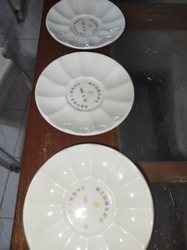
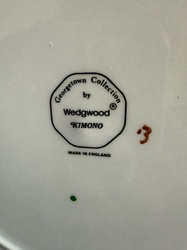
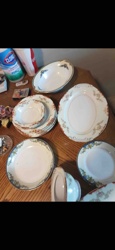
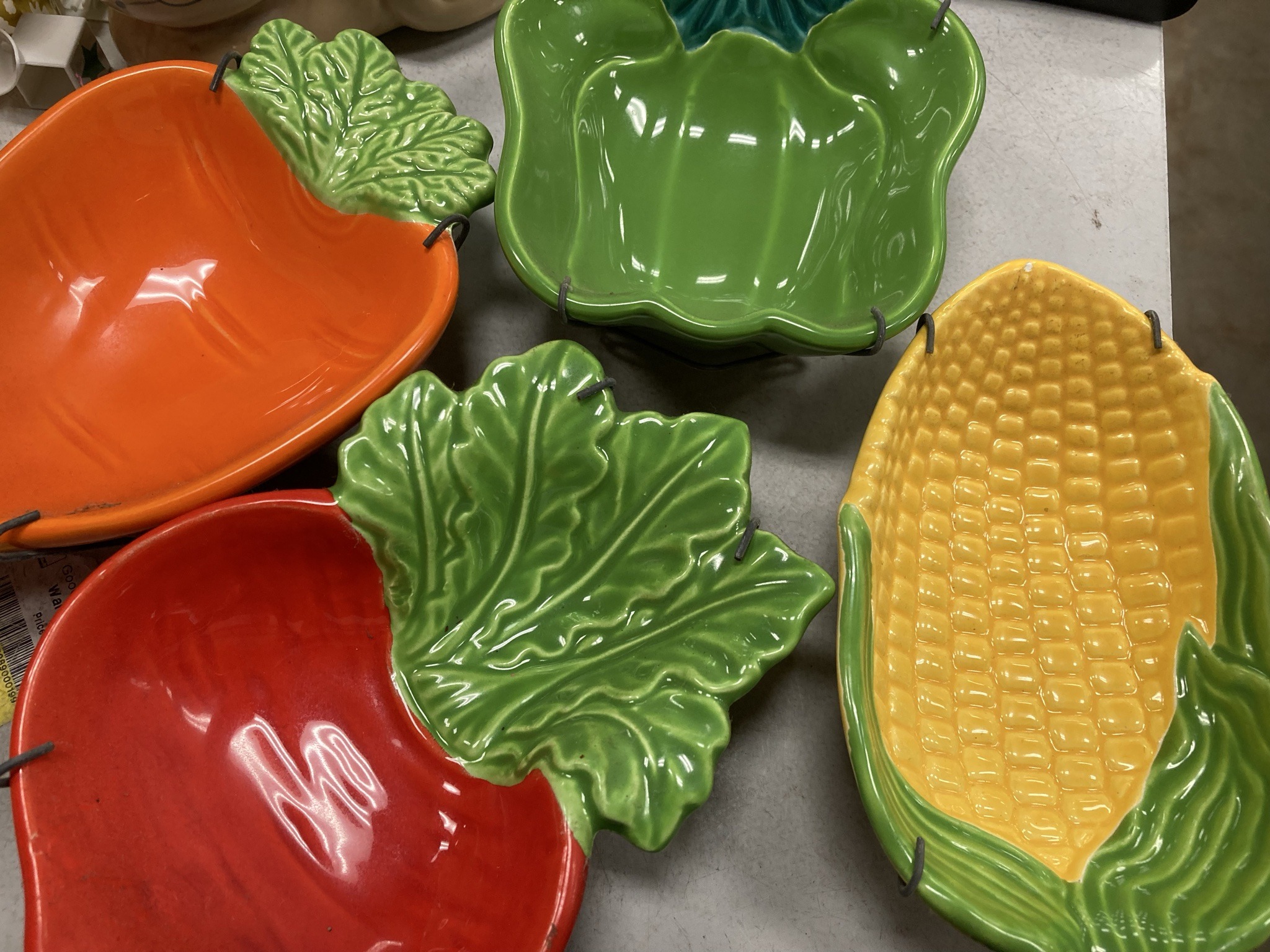
Submitted photo of Ron Gordon Designs Vegetable-Themed Ceramic Serving Bowls
Photo submitted by the user — not generated by AI

User's notes

Ron Gordon Japan

These notes were written by the person who submitted this item. Appraiser.AI has not verified them, and the AI's identification and estimate may rely on them.

AI Estimated Value

Not an official valuation

$125.00-$175.00

AI estimate as of April 24, 2026 · verify with a professional before acting

AI-Generated · Verify before acting

Everything on this page is generated by AI for informational purposes only. AI can make mistakes — the AI may misidentify items or misattribute them (artist, maker, brand, designer, origin, era). This is not an official valuation and should not be used for insurance, sale, tax, estate, legal, or lending purposes — or any decision requiring a certified appraisal. It is not an authoritative claim about any person, brand, or rights holder — do not share or rely on it as a factual statement about a third party. Always consult qualified professionals before making financial decisions.

This analysis also relies on unverified notes provided by the user, which may be incomplete or inaccurate and could affect the result.

Read the full disclaimer

AI Item Analysis

A set of four vibrant, highly detailed ceramic serving bowls shaped like assorted vegetables: an orange carrot, a red radish or beet, a green pepper or cabbage, and a yellow ear of corn. These pieces feature a high-gloss glaze finish over embossed earthenware, likely produced in Japan for Ron Gordon Designs during the 1970s or 1980s. Each bowl is meticulously molded to replicate natural textures, such as the individual kernels and husk of the corn, the leafy green foliage of the root vegetables, and the characteristic ribbed sides of the green pepper. The colors are bold and saturated, typical of Mid-Century and late 20th-century novelty kitchenware. While the bases are not fully visible, the craftsmanship indicates quality export ceramics typical of Japanese production for American design houses. The items appear to be in good vintage condition with minor surface wear and small areas of glaze variation. Notably, each bowl is fitted with a specialized black metal display hanger, suggesting they were previously used as wall decor in addition to functional service. No significant repairs or cracks are evident, though some fine crazing or small edge chips may be present upon closer tactile inspection, consistent with their age and material.

AI Appraisal Report

I have virtually examined this set of four Ron Gordon Designs vegetable-themed ceramic bowls. These pieces represent high-quality Japanese export earthenware from the 1970s/80s, a period when Ron Gordon was known for whimsical, high-relief novelty kitchenware. The set, featuring the carrot, beet, cabbage, and corn, shows excellent color saturation and the characteristic high-gloss glaze expected of authentic Japanese production for this designer. The embossed textures are crisp, and the presence of specialized wall hangers suggests they have been well-preserved as decorative objects rather than subjected to heavy culinary use. Market demand for 'Kitsch' and 'Grandmillennial' kitchen decor has seen a steady rise, with complete sets in this condition fetching a premium over individual pieces. Comparables for similar Ron Gordon vegetable sets typically range from $30 to $50 per bowl in pristine condition. The current valuation accounts for the desirable variety of the forms and the excellent aesthetic state. However, my assessment via photography has limitations. I cannot definitively rule out hairline fractures or 'flea bite' chips along the rim edges, nor can I verify the presence of the original foil labels or underglaze stamps typically used for Ron Gordon Japan. In-person tactile inspection is necessary to check for professional restorations or internal structural stress. For a full authentication of provenance, documentation of original purchase or matching manufacturer marks on the underside of each piece would be required to distinguish these from period 'copycat' ceramics often produced by competitors during the same era.

Keep exploring

More vintage tableware / collectible ceramics appraisals

Get your items appraised

Instant AI-powered appraisal estimates from a photo

Browse More Appraisals