AI identification & appraisal estimate

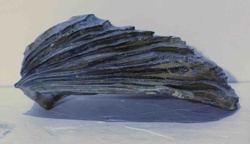
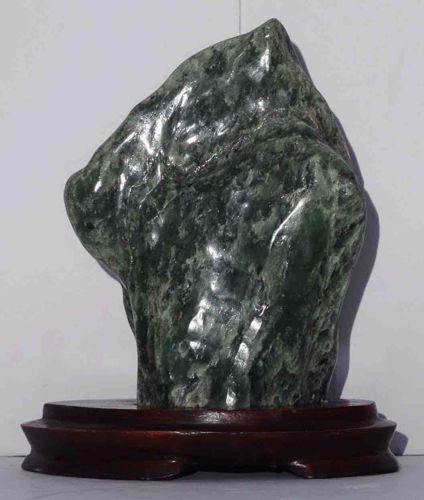
Carved Green Jade or Nephrite Scholars Rock on Custom Stand

Submitted photo of Carved Green Jade or Nephrite Scholars Rock on Custom Stand
Photo submitted by the user — not generated by AI

User's notes

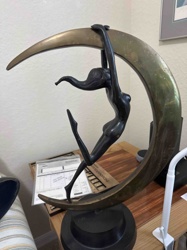
Unknown artist, unknown sculpture

These notes were written by the person who submitted this item. Appraiser.AI has not verified them, and the AI's identification and estimate may rely on them.

AI Estimated Value

Not an official valuation

$1,200 - $1,800

AI estimate as of March 8, 2026 · verify with a professional before acting

AI-Generated · Verify before acting

Everything on this page is generated by AI for informational purposes only. AI can make mistakes — the AI may misidentify items or misattribute them (artist, maker, brand, designer, origin, era). This is not an official valuation and should not be used for insurance, sale, tax, estate, legal, or lending purposes — or any decision requiring a certified appraisal. It is not an authoritative claim about any person, brand, or rights holder — do not share or rely on it as a factual statement about a third party. Always consult qualified professionals before making financial decisions.

This analysis also relies on unverified notes provided by the user, which may be incomplete or inaccurate and could affect the result.

Read the full disclaimer

AI Item Analysis

This item is a decorative stone sculpture, likely jade or nephrite, presented as a contemporary 'scholars rock' (Gongshi style). The piece features a rich, mottled green palette with varying shades including emerald, moss, and forest green, punctuated by lighter inclusions and darker veins consistent with natural mineral structures. The stone has been polished to a high-gloss finish, which enhances its translucency in thinner areas and creates a rhythmic play of light across its undulated, pockmarked surface. The form is irregular and organic, characterized by a rounded, somewhat heart-shaped silhouette that tapers toward the top. It is mounted on a carved, dark-colored wooden base with a reddish-brown stain, featuring tiered molding and small bracket feet. The surface of the stone appears in good condition with no visible cracks or deep chips, though the natural pits and indentations are integral to the aesthetic. This piece reflects traditional Chinese aesthetic values that appreciate the raw, evocative forms found in nature, likely dating from the mid-to-late 20th century. The quality of the polish and the selection of the stone suggest skilled craftsmanship intended for interior decoration or collection.

AI Appraisal Report

Based on my examination of the photographs provided, I have evaluated this carved green stone scholar’s rock, likely composed of nephrite or a high-quality bowenite serpentine. The piece exhibits a vibrant, mottled green coloration and a high-gloss finish that accentuates its organic, perforated 'Gongshi' form. The stone demonstrates characteristic translucency in the thinner sections, and the surface appears to be in excellent condition, showing no major structural fractures or chips beyond the natural, intentional inclusions and pits. The custom-fitted hardwood stand is well-carved and dated to the same mid-to-late 20th-century period as the stone, suggesting it was produced as a decorative interior object rather than an ancient artifact. The market for modern scholar's rocks remains steady, particularly for items with significant visual 'rhythm' and rich coloration. Comparables for mid-century nephrite carvings of this size and polish typically range from $1,000 to $2,500 at specialty auctions. The value is driven by the density of the color and the quality of the stand carving, though the lack of a known artist or 18th/19th-century provenance places it in the decorative art category rather than the high-antiquity market. Note that this appraisal is based on visual analysis alone. To definitively confirm the material as nephrite jade versus a high-grade jadeite or serpentine, a Mohs hardness test and specific gravity analysis would be required. Furthermore, a physical inspection is necessary to differentiate between natural weathering and mechanical drilling. Provenance documentation or original acquisition receipts would be needed to substantiate any claims of earlier origin, which would significantly increase the valuation.

Keep exploring

More fine art / decorative art sculpture appraisals

Get your items appraised

Instant AI-powered appraisal estimates from a photo

Browse More Appraisals