AI Appraisal Estimate

AI-generated estimates · not official valuations

From the user

What was submitted

Photo and notes provided by the user — not generated by AI

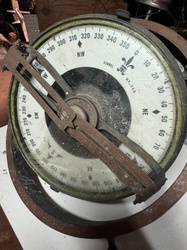
Submitted item photo
Submitted photo · June 25, 2026

User's notes

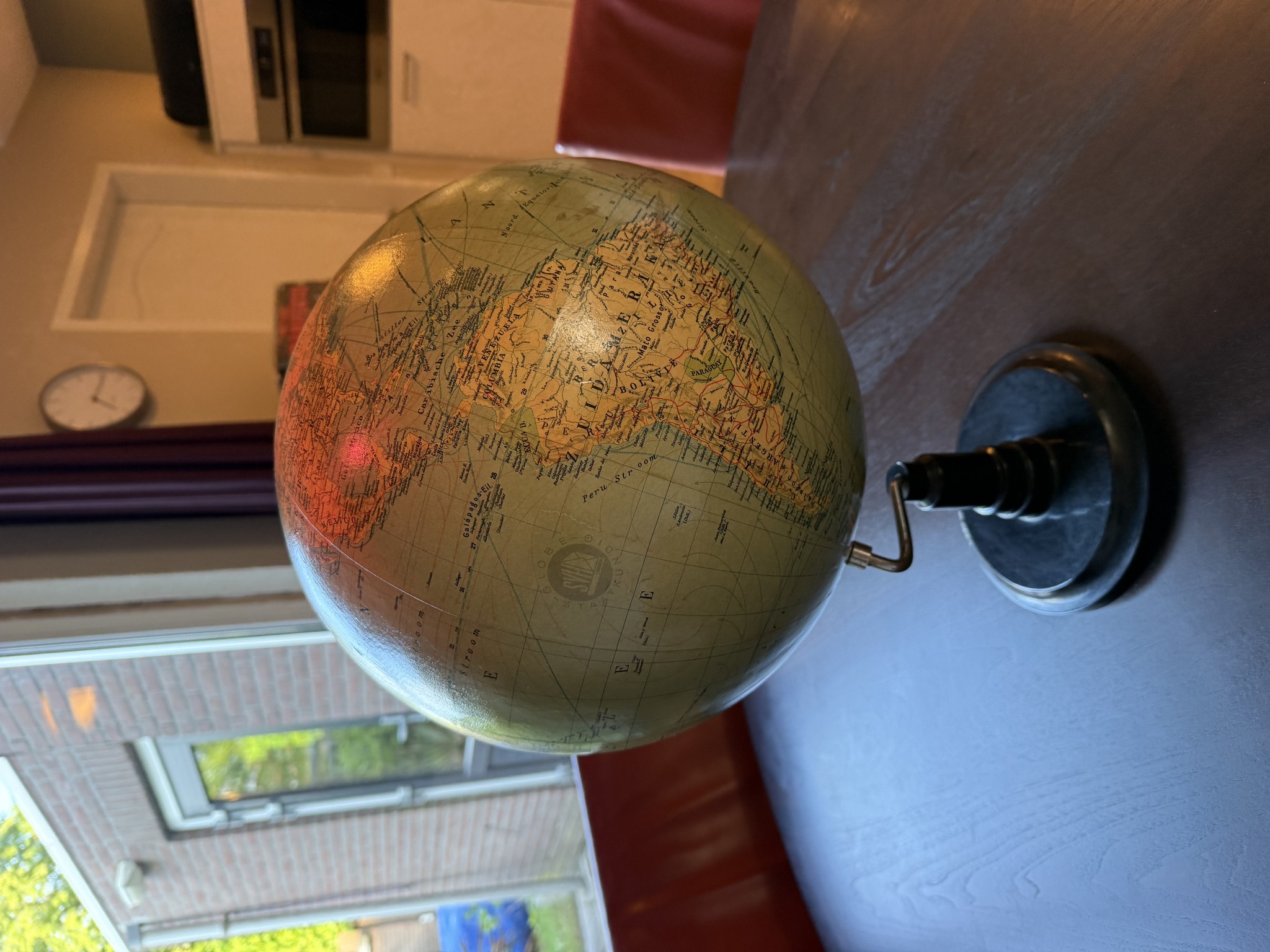
svh globe 33 cm

AI analysis below

AI appraisal

AI analysis & estimate

AI-Generated · Verify before acting

Everything below is generated by AI for informational purposes only. AI can make mistakes — the AI may misidentify items or misattribute them (artist, maker, brand, designer, origin, era). This is not an official valuation and should not be used for insurance, sale, tax, estate, legal, or lending purposes — or any decision requiring a certified appraisal. It is not an authoritative claim about any person, brand, or rights holder — do not share or rely on it as a factual statement about a third party. Always consult qualified professionals before making financial decisions.

Note

This analysis also relies on unverified notes provided by the user, which may be incomplete or inaccurate and could affect the result.

Read the full disclaimer

AI Identification

·Not independently authenticated·Verify before acting

SVH Erd-Globus 33cm Tabletop Terrestrial Globe

Antique Scientific Instruments and Cartography

AI Estimated Value

·Not an official valuation·Verify before acting

$450 - $650

As of June 25, 2026

AI Item Analysis

·AI can make mistakes·Verify before acting
This is a vintage terrestrial tabletop globe manufactured by the German educational company SVH (Stroehlein & Co, Verlag für Hochschulwesen), with a diameter of 33 cm. The globe features a printed cartography on paper gores applied to a rigid sphere, likely plaster or cardboard based on the period's standard construction. It displays a sophisticated green-yellow patina characteristic of mid-20th-century aged paper. The cartography is in German, as evidenced by labels like 'Zuid-Amerika' and 'Peru Stroom'. The globe is mounted on a distinctive angled metal crank-like axial arm that connects to a tiered, circular black base, likely made of wood or weighted bakelite. Notable markings include the 'SVH GLOBE-AARDRIJKSKUNDE' circular logo printed in the South Pacific region. The color palette includes muted sepia and pale green oceans with continents outlined in faded yellows, browns, and greens. Regarding condition, there is visible surface wear including minor scuffing, localized discoloration, and a slight sheen that suggests a vintage varnish. The overall aesthetic suggests an origin in the mid-1950s to early 1960s, indicated by the political borders and the specific graphic style of the SVH mark. The craftsmanship is high-quality, typical of academic and scientific supply houses of that era.
AI Appraisal Report

·AI can make mistakes·Verify before acting
I have carefully examined the provided details and imagery of the SVH (Stroehlein & Co) 33cm terrestrial globe. This mid-20th-century piece, likely dating from the 1950s, serves as a quintessential example of German academic cartography. The construction, featuring paper gores over a rigid sphere on a weighted base, is consistent with the manufacturing standards of the SVH 'Globe-Aardrijkskunde' series intended for high-level educational use. The condition appears to be 'good to very good' for its age, noting expected paper oxidation and minor surface scuffing which contributes to an attractive vintage patina desired by decorators. Market demand for high-quality German scientific instruments remains steady, particularly for models with unique axial mountings and the specific 33cm scale. Comparables for SVH globes in similar condition typically fall within the $400 to $700 range, depending on the clarity of political boundaries and the integrity of the varnish. While the visual details—such as the specific fonts and the SVH logo—strongly support its authenticity as a genuine mid-century production, my assessment is limited by the digital format. A definitive authentication requires an in-person inspection to verify the structural integrity of the internal sphere, check for hidden repairs under UV light, and confirm the base material (wood vs. bakelite). I would also recommend reviewing any available provenance to trace its history within an academic or private collection, as this can bolster value at auction.

Get your items appraised

Instant estimates of your treasures with AI-powered appraisals

Browse More Appraisals