AI Appraisal Estimate

AI-generated estimates · not official valuations

From the user

What was submitted

Photo and notes provided by the user — not generated by AI

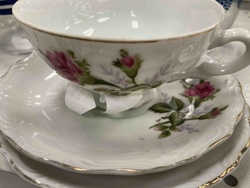
Submitted item photo
Submitted photo · June 8, 2026

User's notes

No additional notes provided.

AI analysis below

AI appraisal

AI analysis & estimate

AI-Generated · Verify before acting

Everything below is generated by AI for informational purposes only. AI can make mistakes — the AI may misidentify items or misattribute them (artist, maker, brand, designer, origin, era). This is not an official valuation and should not be used for insurance, sale, tax, estate, legal, or lending purposes — or any decision requiring a certified appraisal. It is not an authoritative claim about any person, brand, or rights holder — do not share or rely on it as a factual statement about a third party. Always consult qualified professionals before making financial decisions.

Read the full disclaimer

AI Identification

·Not independently authenticated·Verify before acting

Vintage Japanese Hand-Painted Porcelain Kutani-Style Saucer

Antique & Vintage Chinese/Japanese Ceramics

AI Estimated Value

·Not an official valuation·Verify before acting

$45.00 - $75.00

As of June 8, 2026

AI Item Analysis

·AI can make mistakes·Verify before acting
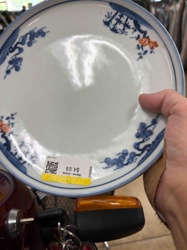
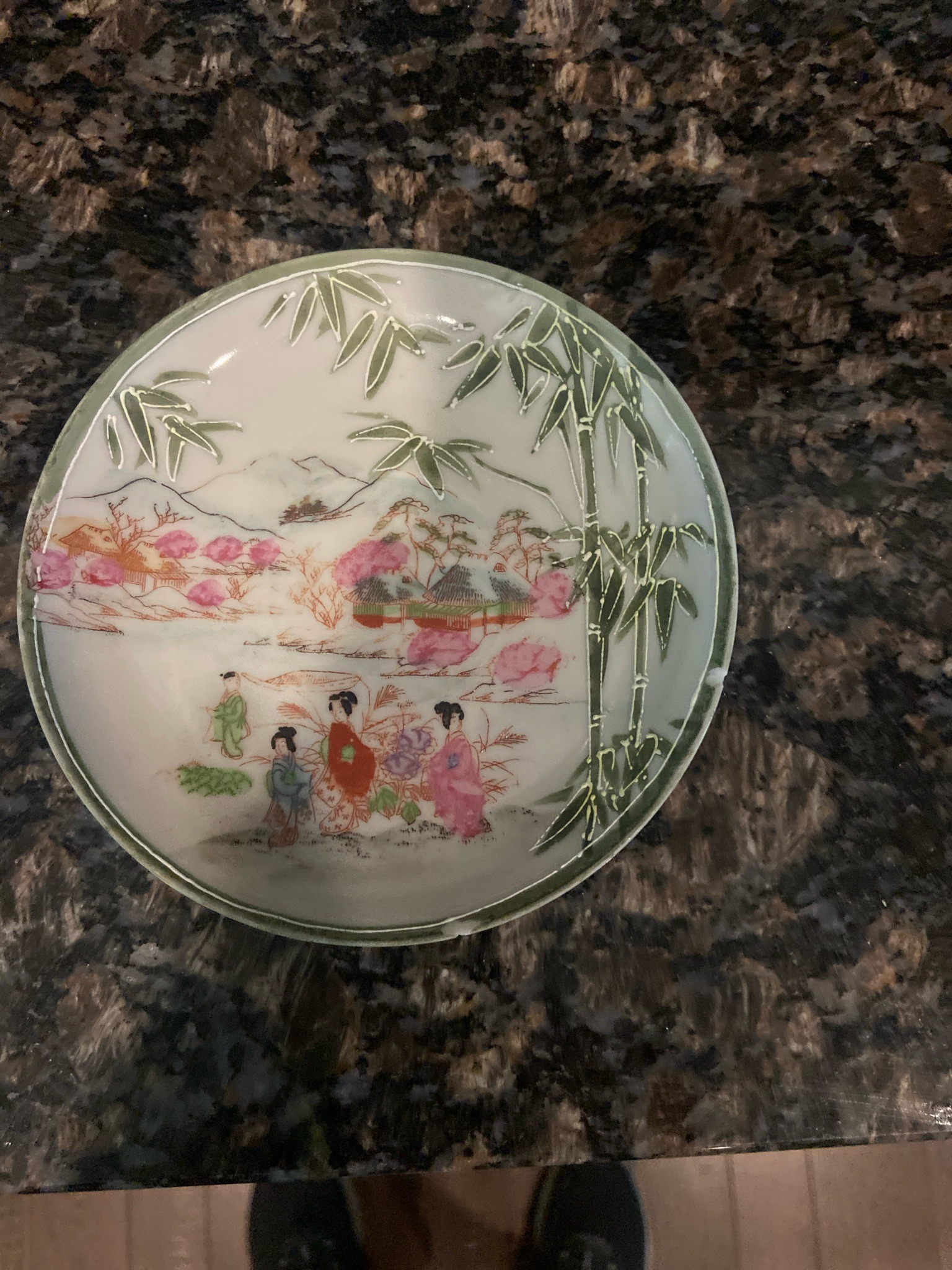
This is a circular porcelain saucer featuring a traditional Japanese landscape and figurative scene. The plate is constructed from translucent white porcelain, decorated with a combination of hand-painted enamels and possibly transfer-ware elements. The composition includes four female figures in traditional kimonos standing in a foreground garden, with cherry blossoms and a village nestled against a backdrop of distant mountains. A prominent green bamboo stalk with white line detailing frames the right side of the plate, extending over the top edge. The color palette is dominated by soft pinks, varied greens, oranges, and earthy browns, characteristic of early 20th-century Japanese export ware. The craftsmanship shows intricate line work in the foliage and figures, though the application of the pink blossoms appears slightly more stylized and Impressionistic. Regarding condition, there is visible wear to the outer green rim, including minor abrasions and possible small chips at the 3 o'clock and 6 o'clock positions. The glaze remains largely intact across the central well, though minor surface scratches consistent with use as a saucer or display piece are expected. Based on the style and subject matter, this likely dates to the Taisho (1912–1926) or early Showa period (mid-20th century).
AI Appraisal Report

·AI can make mistakes·Verify before acting
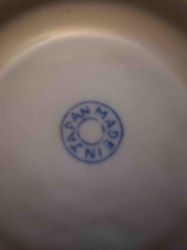
I have examined this Japanese porcelain saucer via high-resolution imagery. The item appears to be an authentic example of Japanese export porcelain, specifically in the 'Aka-e' style influenced by Kutani traditions, dating to the Taisho (1912–1926) or early Showa period. The composition reflects late Meiji sensibilities with its scenic narrative and stylized flora. Regarding condition, the visible wear to the green rim and minor abrasions at the 3 and 6 o'clock positions indicate a moderate grade. While the central glaze remains vibrant, these peripheral defects significantly impact the value for high-end collectors who prioritize 'mint' specimens. The market for this specific type of export ware is currently saturated. While charming, thousands of similar pieces were produced for Western markets during the early 20th century. Comparable sales for single saucers (without the accompanying teacup) generally fall within the $30 to $80 range depending on the intricacy of the hand-painting. The bamboo framing is a desirable motif, though the stylized application of the cherry blossoms suggests a more commercial production level rather than an artisan studio piece. Limitations: This appraisal is based solely on visual inspection. A physical examination is required to verify the 'ping' (resonance) of the porcelain for hidden hairline cracks, check the weight/translucency against known period standards, and inspect for a maker’s mark on the underside (which was not visible). Authentication could be further solidified by provenance documentation or chemical analysis of the lead-based enamels. Without a signature or accompanying cup, the piece remains a 'decorator' item rather than a high-investment antiquity.

Get your items appraised

Instant estimates of your treasures with AI-powered appraisals

Browse More Appraisals